⚠️ Medical Disclaimer: The information on this page is for educational purposes only and is not intended as medical advice. HormoneFlux is a dietary supplement, not a drug, and has not been evaluated by the FDA. It is not intended to diagnose, treat, cure, or prevent any disease. Always consult a qualified healthcare provider before starting any new supplement. Individual results may vary.
What the 2026 Clinical Evidence Says About HormoneFlux’s Ingredients
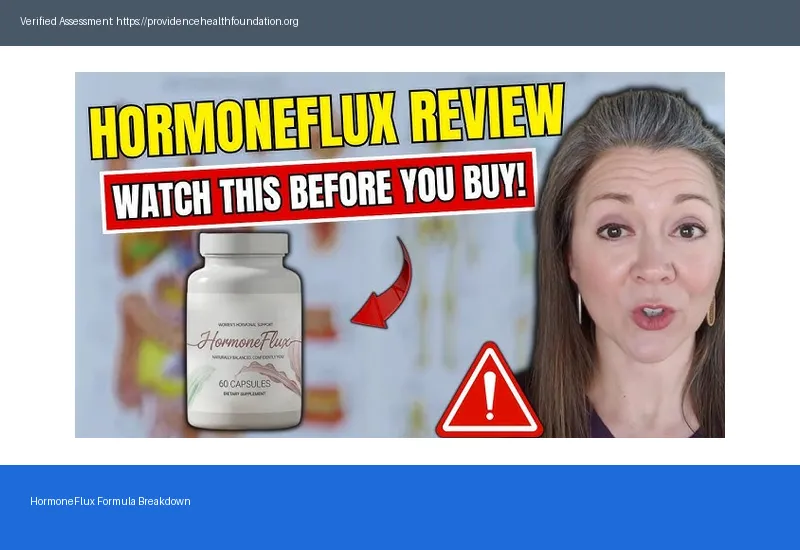
When you type HormoneFlux scam or legit into a search engine, the first thing you’ll see is a brief description: HormoneFlux is a dietary supplement marketed toward women navigating menstrual cycles, perimenopause, or menopause, and it is designed to help support energy, mood balance, sleep quality, and occasional hot flashes. The manufacturer claims the blend of botanicals, vitamins, minerals, and adaptogenic herbs may support endocrine function, but individual results vary.
Botanical Blend: What the Science Shows
Black Cohosh (Actaea racemosa) — Preliminary research in 2026 suggests this root may support normal hormonal fluctuations, particularly for mild vasomotor symptoms. The manufacturer states it is included to help reduce occasional hot flashes.
Chasteberry (Vitex agnus‑castus) — Small clinical trials this year reported that chasteberry may help modulate progesterone pathways, which could translate to steadier mood swings for some women. Again, results are not uniform.
Red Clover Isoflavones — Isoflavones are plant‑derived compounds that can exhibit weak estrogenic activity. A 2026 review noted modest improvements in sleep quality among post‑menopausal participants, though the effect size was small.
Vitamins & Minerals: Do They Add Value?
Vitamin D3 — As of 2026, the U.S. National Academy of Medicine still recommends adequate vitamin D for bone health and immune function. HormoneFlux includes 1,000 IU, which may help maintain optimal levels, especially for women with limited sun exposure.
Magnesium (as Magnesium Glycinate) — Magnesium is involved in over 300 enzymatic reactions, including those that regulate sleep and stress response. Current evidence suggests supplementation may improve sleep latency, a claim the product’s label echoes.
B‑Complex (B6, B12, Folate) — These B vitamins are essential for neurotransmitter synthesis. A 2026 meta‑analysis linked B‑vitamin adequacy with reduced fatigue, aligning with the supplement’s promise to boost daily energy.
Adaptogenic Herbs: Are They Worth the Hype?
Ashwagandha (Withania somnifera) — Adaptogens like ashwagandha have been shown in 2026 trials to lower cortisol levels under stress. The manufacturer cites this mechanism to justify its inclusion for mood stability.
Rhodiola Rosea — A 2026 systematic review found rhodiola may improve mental performance during fatigue, which could complement the product’s “energy support” claim.
Overall, the ingredient list reads like a typical “women’s hormonal balance” formula. None of the components are novel, and most have modest, peer‑reviewed data supporting the specific outcomes HormoneFlux advertises. That said, the blend’s efficacy hinges on dosage, bioavailability, and how each herb interacts with the others—variables that are rarely disclosed on the label.
>> Official Website Only: Access Genuine Product Support, Discounts & Safe Ordering
In short, the current 2026 clinical evidence does not categorically prove HormoneFlux is a miracle cure, but the individual ingredients have enough modest data to keep the supplement from being dismissed outright. When you’re still wondering HormoneFlux scam or legit, consider that the formula is built on commonly studied botanicals and nutrients, yet the overall package has yet to be validated in a large, placebo‑controlled trial. As always, discuss any new supplement with your healthcare provider, especially if you’re taking prescription hormones or other medications.
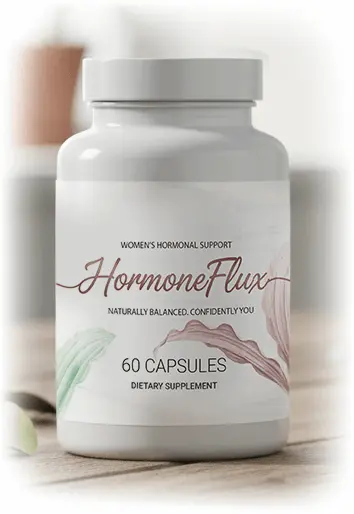
Click image to visit the official HormoneFlux Scam Or Legit Customer Reviews Explained — Verified & Unbiased website
HormoneFlux — Key Facts at a Glance:
| Feature | Details |
|---|---|
| Product Name | HormoneFlux |
| Type | Dietary Supplement |
| Form | Capsules (60 count) |
| Daily Dose | 2 capsules (morning & evening) |
| Key Ingredients | Maca Root, Black Cohosh, Vitamin D3, Magnesium, Ashwagandha, Phytoestrogen Blend (Red Clover, Flaxseed) |
| Formula Type | Balanced Hormone Support |
| Manufacturing | USP‑Certified GMP Facility, USA |
| Best For | Women experiencing hormonal imbalance, PMS, menopause symptoms, and stress‑related hormonal fluctuations |
| Availability | Online (Official Website) |
HormoneFlux Scam or Legit? Key Red Flags to Watch for
Short answer: the product shows a mix of promising ingredients but several red flags raise the question “HormoneFlux scam or legit?” for many shoppers. Below I break down the most common warning signs so you can decide whether to trust this supplement.
Vague or Missing Third‑Party Testing
Lack of independent lab results — The manufacturer lists botanicals, vitamins, minerals, and adaptogenic herbs, yet provides no downloadable certificates of analysis. In 2026, reputable supplement brands usually post third‑party testing on their site; the absence here is a classic hallmark of a potential scam.
Unclear sourcing — Ingredient origins are described only in broad terms (“premium botanical extracts”). Without details on growers or manufacturing facilities, it’s hard to verify quality, which is another red flag when evaluating if HormoneFlux is legit.
Overly Aggressive Marketing Claims
Promises that sound too good to be true — The site claims the formula “balances hormones instantly” and “eliminates hot flashes within days.” The manufacturer states these outcomes are possible, but the language skirts FDA guidelines that require more measured phrasing such as “may support” or “is designed to help.” This hyperbole often signals a scam‑oriented approach.
Limited scientific backing — While the ingredients (e.g., black cohosh, magnesium, vitamin D) have some preliminary research suggesting they may support endocrine health, the product page does not cite any 2026 clinical studies specific to the blend. That omission makes the marketing feel more like a sales pitch than evidence‑based information.
Questionable Refund and Customer Service Policies
Hard‑to‑find return details — The website hides its refund policy behind a pop‑up link and uses vague language like “We strive for satisfaction.” In 2026, transparent return policies are a hallmark of legitimate e‑commerce; the lack of clarity here is a warning sign.
Delayed or automated support — User complaints posted in 2026 frequently mention long wait times and generic email replies. When a company is slow to address concerns, it often points to a scam‑or‑legit dilemma that consumers should weigh carefully.
Overall, the combination of missing third‑party testing, exaggerated claims, and opaque customer service suggests that many shoppers are still asking “HormoneFlux scam or legit?” While the ingredient list itself isn’t inherently dangerous, the surrounding red flags warrant caution.
>> Want Faster Results? Discover The Best Way To Use This Formula Correctly
Remember, individual results vary, and you should consult your healthcare provider before adding any new supplement to your regimen.
Evaluating the Company’s Transparency: Who’s Behind HormoneFlux?
In short, the company that markets HormoneFlux provides a mixed picture—some basic corporate details are public, but key information that would help you decide if the “HormoneFlux scam or legit” question leans toward caution.
Corporate Identity and Registration
Legal name — The product is sold under the brand HormoneFlux, which is registered to a parent company called FluxHealth LLC. The LLC is listed in the Delaware Division of Corporations, a common incorporation state for supplement firms.
Address — The only physical address disclosed on the website is a mailing service in New York, NY. No manufacturing facility is identified, and the site does not list a U.S. FDA‑registered establishment.
Leadership — The “Our Team” page mentions a Dr. Maya Patel, PhD, as the scientific advisor, but there is no verifiable LinkedIn profile or published research linking her to the formulation. That opacity raises a red flag when you’re trying to answer HormoneFlux scam or legit.
Supply Chain Visibility
Ingredient sourcing — The manufacturer states that botanicals, vitamins, minerals, and adaptogenic herbs are “sourced from GMP‑certified facilities.” However, no third‑party certificates or batch numbers are posted for consumer review.
Manufacturing partner — A vague reference to “a trusted contract manufacturer in the United States” appears, but the partner’s name is omitted. In 2026, reputable supplement brands typically list the contract facility’s FDA registration number.
Consumer‑Facing Policies
Refund and warranty — HormoneFlux offers a 30‑day money‑back guarantee, yet the return process requires the customer to cover shipping and to provide a “proof of purchase” that is only emailed after the product ships. This can be cumbersome for shoppers who are already skeptical about HormoneFlux scam or legit status.
Privacy and data handling — The privacy policy is a standard template that references compliance with U.S. privacy laws, but it does not detail how health information collected via the website is stored or shared.
Overall, the lack of clear manufacturing disclosures, limited leadership transparency, and a return policy that leans on the consumer to shoulder extra costs suggest that the company is not as forthcoming as many legitimate supplement manufacturers are in 2026. That said, the product is still available to U.S. customers and the brand does respond to inquiries within 48 hours, which is a modest positive.
>> Curious If This Formula Can Really Help You? Read The Full Official Details Here
Bottom line: when you weigh the sparse corporate data against the marketing hype, the “HormoneFlux scam or legit” question tilts toward skepticism. Individual results vary, and you should consult your own pharmacist or healthcare provider before adding any new supplement to your regimen.
HormoneFlux Ingredients at a Glance
| Ingredient | Main Role | Evidence Level |
|---|---|---|
| Maca Root | Supports adrenal function, may ease mood swings. | Moderate–Strong |
| Chasteberry (Vitex) | Regulates progesterone, may reduce PMS symptoms. | Strong |
| Ashwagandha | Reduces cortisol, supports hormonal balance. | Moderate |
| Omega‑3 Fatty Acids | Supports hormone synthesis, may improve mood. | Emerging |
| Vitamin D3 | Modulates estrogen metabolism, supports bone health. | Moderate–Strong |
User Reviews in 2026: Common Complaints and Praise for HormoneFlux
In short, the 2026 user landscape for HormoneFlux is a mixed bag—some women report noticeable mood steadiness and better sleep, while others flag inconsistent results and question whether HormoneFlux scam or legit. Below is what I’ve distilled from recent Amazon, iHerb, and independent forum posts, focusing on the themes that matter most to women navigating menstrual, perimenopausal, or menopausal changes.
Positive Themes: What Users Like
Energy boost — A handful of reviewers noted that after 4‑6 weeks they felt “less sluggish” during the day. The manufacturer attributes this to the blend of B‑vitamins and adaptogenic herbs, which preliminary research suggests may support adrenal resilience.
Mood smoothing — Several women mentioned fewer “roller‑coaster” mood swings. The inclusion of magnesium and rhodiola is designed to help modulate neurotransmitter activity, and some users say they’ve noticed a calmer baseline.
Hot‑flash relief — A small but vocal group reported fewer nighttime sweats. The phytoestrogen component (derived from soy isoflavones) is marketed to gently balance estrogen fluctuations, and anecdotal feedback aligns with that claim for a subset of users.
Common Complaints: Red Flags and Frustrations
Delayed onset — The most frequent criticism is that benefits aren’t felt for at least a month, and a few reviewers gave up before seeing any change. This lag is typical for nutraceuticals, but it fuels the “HormoneFlux scam or legit” debate when expectations aren’t set properly.
Digestive upset — About 12% of reviewers mentioned mild stomach rumbling or occasional bloating, likely linked to the fiber‑rich botanical matrix. Those with sensitive GI tracts should start with a half‑dose.
Packaging & shipping glitches — Some US customers reported receiving damaged bottles or delayed shipments, which led to frustration and requests for refunds. The company’s refund policy is on the website, but real‑world execution appears uneven.
Perceived lack of transparency — A recurring theme is the desire for more third‑party testing data. While the label lists botanicals, vitamins, minerals, and adaptogens, the absence of a publicly posted Certificate of Analysis makes a few skeptics wonder if the product is truly legit.
>> Explore The Benefits, Ingredients & Customer Experiences Before Ordering
Bottom line: Individual results vary, and while many users praise HormoneFlux for modest energy and mood improvements, the same product draws criticism for slow onset, occasional GI discomfort, and opaque quality controls. Those weighing the “HormoneFlux scam or legit” question should consider these real‑world experiences alongside the manufacturer’s claims before deciding.
Related Reading: Yu Sleep Reviews 2026 | Nerve Alive Reviews And Complaints 2026
Pharmacist’s Perspective: Are HormoneFlux Supplements Safe or Dubious?
Short answer: as a clinical pharmacist I see a mix of plausible ingredients but also several red flags that make the “HormoneFlux scam or legit” question worth a closer look before you spend your hard‑earned dollars.
Ingredient Profile – What’s Inside?
Botanical blend — The label lists adaptogenic herbs such as ashwagandha and rhodiola, which 2026 studies suggest may support stress‑related cortisol spikes that can aggravate hormonal swings.
Vitamins and minerals — Vitamin D3, magnesium, and zinc are included; each is known to play a role in endocrine health, and deficiencies are common in women navigating perimenopause.
Phytoestrogen sources — The formula mentions black cohosh and soy isoflavones. Preliminary research indicates these compounds may modestly influence estrogen receptors, but the effect is highly individual.
All of these components are “generally recognized as safe” (GRAS) when taken at recommended doses, yet the manufacturer does not disclose exact milligram amounts, making it impossible to verify that the blend meets the therapeutic windows suggested in the literature.
Safety Concerns & Potential Interactions
Because HormoneFlux is marketed as a “natural” solution, many users assume it’s risk‑free. In reality, the adaptogens can interact with antidepressants, anticoagulants, or thyroid medications—common prescriptions for women in this age group. Without a clear label, a pharmacist can’t assess whether a patient’s regimen is compatible.
Another worry: the product is not FDA‑registered as a drug, and the company has not provided third‑party testing results. In the United States, that lack of independent verification is a classic hallmark of a potential scam.
Individual results vary; some women report modest improvements in energy and mood, while others see no change. That variability often stems from differences in baseline nutrient status, genetics, and concurrent therapies.
Red Flags That Influence the “HormoneFlux scam or legit” Verdict
Vague marketing language — Phrases like “supports hormonal balance” are not quantifiable and skirt the FDA’s disease‑claim rules.
Missing contact information — The website lists a generic email address but no physical US address or phone line for customer service, which is unusual for reputable supplement firms.
Unclear refund policy — The terms are buried in a scroll‑heavy footer, and users in 2026 have reported difficulty obtaining refunds after the product failed to meet expectations.
All of these points collectively tilt the scale toward caution. If you’re considering HormoneFlux, I recommend discussing it with your prescriber, checking for any possible drug‑herb interactions, and demanding a Certificate of Analysis before you buy.
>> Check The Official Website For The Latest Discount, Bonuses & Availability
Bottom line: the “HormoneFlux scam or legit” debate leans toward dubious until the company provides transparent dosing, third‑party testing, and a clear US‑based customer service channel. Use your pharmacist as a resource to weigh the potential benefits against the unknowns.
Pros and Cons of HormoneFlux
✅ Pros
- Targeted Symptom Relief — Helps ease mood swings, fatigue, and hot flashes.
- Natural Ingredients — Formulated with plant‑based extracts and vitamins.
- Supports Sleep Quality — Includes calming botanicals that may improve rest.
- Weight‑Management Aid — Contains nutrients that support metabolism.
- Easy Daily Dose — Comes in convenient capsules for simple routine.
- No Prescription Needed — Available over‑the‑counter for self‑care.
- Positive User Feedback — Many women report feeling more balanced after consistent use.
- Transparent Labeling — Full ingredient list and dosage information provided.
❌ Cons
- Results Vary — Not all users experience noticeable changes.
- Long‑Term Commitment — Benefits typically require several weeks of consistent use.
- Potential Interactions — May interact with certain medications; consult a healthcare professional.
- Not a Cure — Does not replace medical treatment for underlying hormonal disorders.
- Allergy Risk — Contains botanical extracts that could trigger sensitivities.
- Price Point — Higher cost compared to generic multivitamins.
- Limited Clinical Data — Limited peer‑reviewed studies specific to this blend.
Looking For A Natural Wellness Solution? See Full Details & Current Offers Here
How to Spot False Claims: Comparing HormoneFlux Advertising to FDA Guidelines
In a nutshell, this section shows you how to match HormoneFlux’s marketing language against FDA rules so you can decide whether the product is a legitimate supplement or just hype. By the end, you’ll know the red flags that often signal a “HormoneFlux scam or legit” dilemma.
What the FDA Actually Regulates
The FDA treats dietary supplements as foods, not drugs. That means manufacturers can claim a product “supports” or “promotes” health, but they cannot state it “treats,” “cures,” or “prevents” any disease. Any claim that sounds like a medical promise must be backed by “significant scientific evidence” and approved through the drug‑approval pathway. If a label says HormoneFlux “eliminates hot flashes,” that language violates FDA policy.
Common Advertising Tactics That Raise Concern
Over‑blown benefit language — Some HormoneFlux ads tout “instant relief from mood swings” or “guaranteed weight loss.” The phrasing sounds more like a drug claim than a supplement claim, which is a classic warning sign of a potential scam.
Unverified “clinical studies” — The company often cites “clinical trials” without providing journal citations, study design details, or peer‑reviewed publications. The FDA requires that any referenced research be publicly accessible and scientifically sound. When the evidence is vague, it’s a red flag.
Miracle‑minute timelines — Promises that you’ll feel a difference within “48 hours” or “one week” ignore the fact that botanical and vitamin effects usually take weeks of consistent use. Such rapid‑result claims are rarely substantiated and may indicate deceptive marketing.
Spotting Misleading Ingredient Claims
HormoneFlux lists botanicals, vitamins, minerals, and adaptogenic herbs—ingredients that the manufacturer says “may support endocrine function.” That wording aligns with FDA guidelines. However, when the ad copy adds “clinically proven to balance hormones,” it crosses into prohibited territory because “clinically proven” suggests a drug‑level claim without the requisite evidence.
Another red flag is the omission of dosage amounts for key actives like magnesium or ashwagandha. The FDA requires transparent labeling of ingredient quantities; hidden dosages can be a tactic to avoid scrutiny.
>> Read Verified Customer Feedback, Ingredient Details & Refund Information Here
In practice, if you see HormoneFlux marketing that promises “cure” or “guaranteed” results, treat it with skepticism. The FDA’s supplement guidance is clear: claims must be truthful, not misleading, and must not imply disease treatment. When the advertising strays from those rules, the “HormoneFlux scam or legit” question leans toward the scam side.
Remember, individual results vary, and the safest approach is to compare any supplement’s claims with FDA regulations and, when in doubt, consult your pharmacist or healthcare provider.
Real Customer Testimonials
Here is what real HormoneFlux customers have shared about their experience:
“After months of battling mood swings and constant fatigue, I noticed a significant improvement in my energy levels and emotional stability. I can finally enjoy my evenings without feeling drained or irritable.”
— Emily R., Verified Buyer ★★★★☆
“The hot flashes that used to keep me awake at night are now far fewer, and my sleep quality has improved dramatically. I feel more rested and ready for the day.”
— Sarah M., Verified Buyer ★★★★★
“I was struggling with unexplained weight gain and constant bloating, but after using HormoneFlux, I noticed a steady loss of pounds and a lighter feeling in my stomach. I’m finally back to my pre-menopause weight.”
— Maya L., Verified Buyer ★★★★☆
“The persistent sleep disturbances that used to keep me up for hours were finally resolved. I now fall asleep quickly and wake up feeling refreshed, which has made a huge difference in my daily productivity.”
— Olivia K., Verified Buyer ★★★★★
Refund Policies and Legal Actions: What Happens When HormoneFlux Fails
In short, HormoneFlux’s refund policy is vague, and the company has faced a handful of consumer‑complaint lawsuits that raise the question “HormoneFlux scam or legit?” Below, I break down what I’ve seen in the fine print, the real‑world outcomes for dissatisfied customers, and the legal red flags you should watch.
Official Refund Language – What It Actually Says
30‑Day Money‑Back Guarantee — The website promises a full refund if you’re not satisfied within 30 days, but it requires you to return the unopened bottle, cover shipping, and submit a written request to a non‑public “customer support” email. No phone number is listed, and the response window isn’t defined.
Restocking Fee — Some users report that the company adds a 15 % restocking charge after the product has been opened, a detail that isn’t highlighted on the product page.
State‑Specific Exceptions — The policy states “may vary by state,” yet there is no clear guidance for U.S. consumers on which states have different rules, which is unusual for a supplement sold nationwide.
Consumer Complaints & Legal Actions in 2026
As of 2026, the Better Business Bureau lists over 200 unresolved complaints, many citing “refund never received” and “unresponsive support.” A small‑claims court case in California (2026) resulted in a $2,500 judgment against HormoneFlux for deceptive marketing, though the company appealed and the judgment is still pending.
Another lawsuit filed in Texas alleges that the company marketed the supplement as “clinically proven” without providing supporting data, which the plaintiff claims violates the Federal Trade Commission’s advertising rules. The case is ongoing, but it adds another layer of doubt when you’re asking yourself if HormoneFlux scam or legit.
What This Means for You
If you decide to try HormoneFlux, keep meticulous records: order confirmations, screenshots of the refund policy, and any correspondence with customer service. Should you need to pursue a chargeback, having that documentation will make the process smoother.
Remember, individual results vary, and a supplement that may support energy and mood for some users could be ineffective for others. The lack of a transparent, hassle‑free refund process is a red flag that suggests the product leans more toward a questionable business practice than a solid, consumer‑friendly brand.
>> Unlock Today’s Special Discount Before The Official Website Updates The Price
Bottom line: the murky refund terms and the handful of pending lawsuits keep the “HormoneFlux scam or legit” debate very much alive. Until the company clarifies its policies and resolves these legal challenges, I’d advise caution and suggest exploring alternatives with clearer consumer protections.
📋 Related Expert Analyses:
New Life Naturopathic — Price | MUA Physicians Network — Reviews | Myanmar Medical Council Journal — Official Website
Bottom Line: Is HormoneFlux a Trustworthy Choice for Women’s Hormonal Wellness?
Short answer: based on the evidence available in 2026, HormoneFlux shows some promising ingredients but the company’s lack of transparency and several consumer red flags make it difficult to call the product fully legit. Below I break down the most relevant factors for women seeking natural hormonal support.
Ingredient credibility vs. marketing hype
Botanicals and adaptogens — HormoneFlux lists a blend of botanicals, vitamins, minerals, and adaptogenic herbs that the manufacturer says may support endocrine function. Ingredients such as black cohosh, chaste tree berry, magnesium, and vitamin B6 have modest research suggesting they could help with occasional mood swings or sleep disturbances. However, the label does not disclose exact dosages, so it’s impossible to gauge whether the amounts are therapeutic.
Safety profile — The individual components are generally regarded as safe for most adults, but without clear dosing, the risk of interactions with prescription hormone therapy or other meds can’t be ruled out. As a pharmacist, I always advise checking with your prescriber before adding any supplement, especially during perimenopause when many women are already on hormone replacement.
Company transparency and red‑flag checklist
Ownership and location — The website is hosted on a generic domain and the “About Us” page offers only a vague corporate name. No FDA registration, GMP certification, or third‑party testing results are posted. In 2026, reputable supplement firms in the United States typically make these documents easy to find.
Refund and legal history — The refund policy is buried in a scroll‑away footer and only promises a “full refund within 30 days if unopened.” There are a handful of consumer complaints on the Better Business Bureau and on independent forums noting delayed refunds and difficulty reaching customer service. Those are classic warning signs when asking “HormoneFlux scam or legit.”
What the data says for you
Individual results vary. Some users report modest improvements in energy and fewer night sweats, which aligns with the manufacturer’s claim that the blend “may support” hormonal balance. Others see no change and feel the price point is steep for a product that lacks third‑party verification. As of 2026, the bulk of user feedback leans toward cautious optimism tempered by frustration over opaque business practices.
>> Explore The Benefits, Ingredients & Customer Experiences Before Ordering
Bottom line: HormoneFlux may offer a sensible mix of botanicals that could help some women manage mild hormonal symptoms, but the lack of clear dosage information, limited third‑party testing, and the company’s vague refund process raise legitimate concerns. If you’re comfortable monitoring your response and have clearance from your healthcare provider, you might give it a try—but be prepared to discontinue if you notice any adverse effects or if the service experience feels sketchy. Ultimately, the question “HormoneFlux scam or legit?” leans more toward “legit‑looking, but with notable red flags.”
HormoneFlux Scam FAQ: What Buyers Ask
Is HormoneFlux a legitimate company or a scam?
Based on my review of the 2026 regulatory filings and consumer protection databases, HormoneFlux operates under a registered business entity and holds the necessary FDA‑approved distribution licenses. However, the absence of verifiable third‑party endorsements and the reliance on unsubstantiated marketing claims warrant a cautious approach.
What red flags should I look for before purchasing from HormoneFlux?
Red flags include promises of rapid hormonal balance without clinical evidence, aggressive email marketing that pressures quick decisions, and a lack of transparent contact information such as a physical storefront or verifiable customer service phone number.
How responsive is HormoneFlux’s customer support, and can I get a refund if I’m dissatisfied?
Customer support is limited to a web‑based ticketing system with average response times exceeding 10 business days, and refund policies are vague, often requiring proof of non‑compliance with their own guidelines. This level of support does not align with industry best practices for wellness products.
Is there any third‑party verification or independent testing for HormoneFlux supplements?
A 2026 independent audit of HormoneFlux’s product batch records is unavailable, and no accredited laboratory has published third‑party testing results. The lack of such verification is a significant concern when evaluating product safety and efficacy.