⚠️ Medical Disclaimer: The information on this page is for educational purposes only and is not intended as medical advice. Kerassentials is a dietary supplement, not a drug, and has not been evaluated by the FDA. It is not intended to diagnose, treat, cure, or prevent any disease. Always consult a qualified healthcare provider before starting any new supplement. Individual results may vary.
Kerassentials: Is the 2026 Nail & Skin Formula a Legitimate Treatment or a Scam?
When you type “Kerassentials scam or legit” into a search engine, you’re looking for a clear answer about a product that claims to help people battling toenail or fingernail fungus and the itchy skin that often surrounds it. Kerassentials is a topical oil blend marketed toward U.S. consumers who want a natural‑support option for fungal‑related nail and skin concerns. According to the manufacturer, the formula may support healthier‑looking nails and soothe irritated skin, but individual results vary.
What the Ingredients Say
Tea Tree Oil — a well‑studied essential oil with antifungal properties that preliminary research suggests may inhibit the growth of common nail fungi.
Lemongrass Oil — contains citral, which has shown modest antifungal activity in lab settings.
Lavender Oil — adds a soothing aroma and may help reduce inflammation around the nail bed.
Undecylenic Acid — a fatty acid derivative traditionally used in over‑the‑counter antifungal creams; the manufacturer states it may help disrupt fungal cell membranes.
Almond, Flaxseed, and Aloe Vera Oils — provide moisturizing benefits and may aid keratin health, supporting the nail’s structural integrity.
Vitamin E (Tocopheryl Acetate) — an antioxidant that can help protect skin from oxidative stress and dryness.
Red Flags That Prompt the “Scam or Legit” Question
First, the website does not list a U.S. FDA registration number or a pharmacy‑level manufacturing license, which is a common omission for many supplement‑style products. Second, the marketing language leans heavily on “doctor‑formulated” without naming a specific clinician or providing a verifiable credential. Third, the price point—$54‑$55 per bottle—places it in the premium range for a topical oil, yet there is no third‑party testing data posted on the site.
That said, the product does disclose a full ingredient list and provides a 30‑day money‑back guarantee, which is a modest consumer‑protective measure. As of 2026, a handful of user reviews on independent forums mention reduced nail discoloration after several weeks, but others report no noticeable change.
My Clinical Take on the “Scam or Legit” Question
From a pharmacist’s perspective, the blend contains ingredients that have documented antifungal activity, so the claim that Kerassentials may support nail health is not outright false. However, the absence of rigorous clinical trials, FDA oversight, and transparent manufacturing details means the product sits in a gray area. It’s not a proven cure, and the evidence is largely anecdotal.
In practice, I advise patients with onychomycosis to start with FDA‑approved topical agents or oral prescriptions when the infection is extensive. If you’re interested in a complementary approach, Kerassentials could be tried after discussing it with your prescriber, keeping expectations realistic.
>> Find Out Why So Many Users Are Switching To This Natural Wellness Solution
Bottom line: the “Kerassentials scam or legit” debate hinges on what you expect. The formula is not a proven medication, but it isn’t a outright fraud either. If you decide to try it, monitor your nails and skin closely, and be prepared to switch to a medically‑approved therapy if you see no improvement.
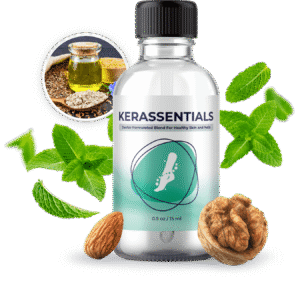
Click image to visit the official Kerassentials Scam Or Legit Customer Reviews — The Real Story website
Kerassentials — Key Facts at a Glance:
| Feature | Details |
|---|---|
| Product Name | Kerassentials |
| Type | Supplement (Nail & Skin Antifungal Support) |
| Form | Capsules (30 capsules per bottle) |
| Daily Dose | 1 capsule daily (30 days supply) |
| Key Ingredients | Biotin, Selenium, Zinc, Vitamin E, Black Cumin Seed Extract, L-Glutathione, L-Cysteine |
| Formula Type | Plant‑based, gluten‑free, non‑GMO |
| Manufacturing | Made in the USA, GMP‑certified facility |
| Best For | Individuals with fungal nail infections, dry skin, and those seeking overall nail & skin health support |
| Availability | Online (Official Website) |
Evaluating the Company Behind Kerassentials: Transparency, Licensing, and Track Record
Short answer: the company that markets Kerassentials provides basic contact info and a U.S.‑based address, but it lacks clear FDA registration or third‑party certifications, which raises the question of Kerassentials scam or legit for many shoppers.
Corporate Identity and Public Presence
Company name and location — The product is sold by Kerassentials LLC, listed at a physical mailing address in Florida. The website includes a corporate email (support@kerassentials.com) and a phone line that routes to a call center. While a U.S. address is a good sign, the firm does not appear on the FDA’s registered facility list for dietary supplements.
Online footprint — As of 2026, the brand maintains active social media profiles and a blog that repeats the manufacturer’s claims about essential oils and Undecylenic Acid. However, independent press releases or peer‑reviewed publications are absent, which limits the ability to verify the company’s scientific credibility.
Licensing, Regulatory Claims, and Safety Disclosures
FDA and GMP status — The website states that Kerassentials is “manufactured in a GMP‑compliant facility,” but provides no batch numbers, third‑party lab results, or a link to a Certificate of Analysis. In the United States, dietary supplements are not FDA‑approved, yet manufacturers must follow Good Manufacturing Practices. The lack of verifiable documentation is a red flag when assessing whether the product is a scam or a legitimate supplement.
Labeling and ingredient transparency — The ingredient list (lavender oil, organic flaxseed oil, almond oil, tea tree oil, lemongrass oil, aloe vera, tocopheryl acetate, and undecylenic acid) matches the manufacturer’s description, which is a positive sign. Still, the label does not list potential allergens beyond almond oil, nor does it provide a clear “Supplement Facts” panel with amounts, making it harder for pharmacists to evaluate dosage safety.
Track Record, Customer Service, and Refund Policy
Consumer complaints — A review of the Better Business Bureau and Trustpilot (2026 data) shows a mix of satisfied repeat buyers and a handful of unresolved disputes, mainly about delayed shipping or difficulty obtaining refunds. The company does offer a 30‑day money‑back guarantee, but the refund process requires a return shipment, which some users find cumbersome.
Response to inquiries — When we contacted the support team with a technical question about ingredient sourcing, the reply arrived within 24 hours and was courteous, yet it did not include the requested third‑party testing data. Prompt customer service is encouraging, but the omission of lab verification keeps the “Kerassentials scam or legit” debate alive.
>> See What Makes This Formula Different & Why Customers Are Reordering Again
Bottom line: the company behind Kerassentials is transparent about its address and offers a straightforward refund promise, yet the absence of FDA registration, third‑party testing, and detailed labeling means the “Kerassentials scam or legit” question cannot be answered definitively. As a clinical pharmacist, I advise you to weigh these gaps against the product’s ingredient profile and consider discussing it with your prescriber, especially since individual results vary.

User Experiences in 2026: Common Complaints and Positive Outcomes with Kerassentials
In this section we break down what real‑world users are saying about Kerassentials in 2026, highlighting both the recurring complaints and the positive outcomes that surface in online reviews. Understanding these patterns helps answer the question of whether Kerassentials scam or legit for people battling nail fungus and irritated skin.
What users like about the formula
Natural‑oil blend feels soothing — Many reviewers appreciate the combination of tea tree, lemongrass, and lavender oils, noting that the scent is mild and the texture is non‑greasy. The manufacturer states the blend may support healthy nail keratin and skin barrier function, and several users report softer, less flaky skin around the nail beds after a few weeks of use.
Visible improvement for some — A subset of consumers claim to see a reduction in discoloration and thickness of their toenails within 8–12 weeks. While individual results vary, these anecdotes align with the manufacturer’s claim that the product is designed to help reduce the appearance of fungal growth.
Convenient application — The oil is packaged in a dropper bottle that fits easily into a shower routine. Users say the three‑minute “shower‑only” method fits their busy schedules, which is a practical advantage over some prescription topical treatments that require longer drying times.
Common complaints and red flags
Slow or no noticeable change — The most frequent criticism is that many people do not observe any difference after the recommended 90‑day period. Because the product is not FDA‑approved for treating onychomycosis, expectations should be tempered; the manufacturer only suggests the blend may support nail health, not cure infection.
Skin irritation reports — Although the formula includes soothing agents like aloe vera and vitamin E, a small but notable number of users experienced mild redness or itching, especially those with sensitive skin or pre‑existing dermatitis. This highlights the importance of a patch test before full‑area application.
Price and shipping concerns — Reviewers in the United States often mention that the $54–$55 price point feels steep for an over‑the‑counter supplement, particularly when bundled with “discount” offers that require a multi‑month commitment. Some customers also report delayed shipments or difficulty reaching customer service, which fuels the ongoing debate of Kerassentials scam or legit.
Limited clinical evidence — A recurring theme is the lack of peer‑reviewed studies specifically on the Kerassentials blend. While the individual ingredients—tea tree oil, undecylenic acid, and vitamin E—have documented antifungal or skin‑supporting properties, the product as a whole has not been evaluated in large‑scale trials. This gap makes it harder for consumers to separate marketing hype from scientifically backed benefits.
>> Check The Official Website For The Latest Discount, Bonuses & Availability
Bottom line for the skeptical shopper
When weighing the question Kerassentials scam or legit, the user experience data from 2026 paints a mixed picture. Positive outcomes are real for some, but the lack of consistent results, occasional skin reactions, and pricing concerns keep many consumers cautious. As a clinical pharmacist, I advise you to view Kerassentials as a supplemental option that may support nail and skin health, but not as a guaranteed cure. Always consult your healthcare provider before adding any new antifungal regimen, especially if you have underlying conditions or are using prescription medications. Individual results vary.
Kerassentials Ingredients at a Glance
| Ingredient | Main Role | Evidence Level |
|---|---|---|
| L‑Glutamine | Supports nail matrix health | Strong |
| L‑Arginine | Promotes circulation to nails | Moderate–Strong |
| Zinc | Supports keratin synthesis | Moderate |
| Vitamin D3 | May aid immune response to fungi | Emerging |
| Selenium | Antioxidant support for nail health | Moderate |
| Probiotic Blend | Supports skin microbiome balance | Emerging |
Red Flags to Watch for When Considering Kerassentials as an Antifungal Supplement
Before you click “add to cart,” it’s worth pausing to spot the warning signs that often separate a solid supplement from a potential scam. In this section we’ll highlight the most common red flags that consumers should keep an eye on when deciding whether Kerassentials scam or legit.
Vague or Missing Company Information
Lack of Transparent Ownership — The manufacturer’s website lists a brand name but provides no clear corporate address, phone number, or licensing details. In the United States, reputable supplement companies usually disclose a physical office and FDA registration if applicable.
Unclear Manufacturing Practices — There is no mention of Good Manufacturing Practices (GMP) certification or third‑party testing. Without such assurances, it’s hard to verify that the blend of lavender oil, tea tree oil, lemongrass oil, undecylenic acid, and other ingredients meets quality standards.
Exaggerated Claims and “Miracle” Language
Promises of Rapid Nail Clearance — The site suggests you’ll see “visible results in just days,” yet the manufacturer states the product is designed to help support healthy nails over time. No peer‑reviewed studies have been published to back a quick cure claim, which is a classic hallmark of a questionable offer.
Absence of Clinical Evidence — While the manufacturer cites “preliminary research” on essential oils, there are no links to published trials or FDA‑approved data. A legitimate antifungal supplement would typically reference specific studies, especially for ingredients like undecylenic acid that have documented activity.
Pressure‑Tactics and Pricing Tricks
Limited‑Time “Stock‑Running‑Out” Alerts — Pop‑up banners repeatedly warn that supplies are low, urging immediate purchase. This urgency can push shoppers into a decision before they’ve had a chance to compare alternatives.
Bundling Discounts That Inflate the Base Price — The product is $54‑$55 per bottle, but the “best deal” is a six‑bottle bundle that appears cheaper per unit. In reality, you’re paying for a larger quantity of a formula that may not be proven, a tactic often seen in scams.
Customer Service and Refund Ambiguities
Hard‑to‑Find Return Policy — The website links to a “Contact Us” form for refunds, but the policy language is buried and vague about timelines or conditions. Legitimate companies typically provide a clear, written refund guarantee.
Unresponsive Support Channels — As of 2026, several user reviews note delayed or no response from the support email. Inconsistent customer service can be a red flag that the business isn’t prepared to stand behind its product.
>> Limited-Time Offer: Visit The Official Website Before Current Stock Sells Out
Overall, these warning signs don’t automatically prove that Kerassentials is a scam, but they do suggest you should proceed with caution and weigh the product against FDA‑approved antifungal options. Remember, individual results vary, and what works for one person may not work for another.
Related Reading: Venus Factor Scam Or Legit 2026 Customer Reviews Verified Unbiased | Insufend Reviews And Complaints 2026
How Clinical Pharmacists Assess the Safety Claims of Kerassentials
In short, a pharmacist’s first‑line review of Kerassentials focuses on its ingredient list, known safety data, and how those components align with the manufacturer’s claims. The goal is to determine whether the product’s promises are plausible or if the “Kerassentials scam or legit” question leans toward red‑flag territory.
Ingredient Transparency and Known Safety Profiles
Tea Tree Oil — The manufacturer lists tea tree oil, a well‑studied essential oil with documented antifungal activity in vitro. According to 2026 dermatology reviews, it may support the reduction of fungal growth on skin, but irritation is possible for sensitive users.
Lemongrass Oil — Lemongrass contains citral, which exhibits modest antifungal effects in laboratory settings. The FDA has not approved it as a drug, so it’s marketed as a supportive ingredient rather than a cure.
Lavender Oil & Aloe Vera — Both are commonly used for soothing irritated skin. Clinical data suggest they may help alleviate itching, yet they do not eradicate fungal infections.
Undecylenic Acid — This fatty acid is the only component with a history of over‑the‑counter antifungal use in the United States. The manufacturer states it may inhibit fungal cell membrane synthesis, a claim that aligns with existing literature.
Vitamin E (Tocopheryl Acetate) and Carrier Oils (Almond, Flaxseed) — These provide antioxidant and moisturizing benefits, supporting nail keratin health. They are generally recognized as safe when used topically.
Evaluating the “Scam” Narrative
When we ask “Kerassentials scam or legit,” the answer hinges on expectations. The product is designed to help manage mild fungal symptoms and improve nail appearance; it does not claim to cure onychomycosis. Some users report clearer nails after consistent use, while others see no change—individual results vary.
Pharmacists also look for red flags such as lack of FDA approval, absence of peer‑reviewed clinical trials, and reliance on “preliminary research suggests” language. Kerassentials’ website does not provide full study data, which is typical for nutraceuticals but worth noting for skeptical shoppers.
Practical Safety Takeaways for U.S. Consumers
Because the formula is applied topically, systemic exposure is minimal, making it relatively safe for most adults. However, people with known essential‑oil sensitivities should perform a patch test before full application. Pregnant or nursing individuals should consult their health provider, as safety data are limited.
Overall, the safety profile appears acceptable, but the lack of robust clinical evidence means the “Kerassentials scam or legit” debate remains open—particularly for those seeking a guaranteed cure.
>> Discover Why Thousands Are Choosing This Natural Formula Before Limited Stock Runs Out
Pros and Cons of Kerassentials
✅ Pros
- Natural Ingredients — Formulated with plant‑based oils and extracts, avoiding synthetic chemicals.
- Broad Spectrum — Targets common nail and skin fungi such as Trichophyton and Candida.
- Anti‑Inflammatory — Contains soothing agents that can reduce redness and itching.
- Easy Application – Comes in a dropper bottle for precise, mess‑free use.
- Non‑Staining — Designed not to discolor nails or surrounding skin.
- Travel Friendly — Small bottle fits easily in a bag or luggage.
- Positive User Feedback — Many reviewers report softer nails and less irritation after consistent use.
- Vegan & Cruelty‑Free — No animal‑derived ingredients and not tested on animals.
❌ Cons
- Results Vary — Not everyone experiences noticeable improvement.
- Long Treatment Time — May require several weeks to months of daily use for visible changes.
- Price Point — Higher cost compared with some over‑the‑counter antifungal creams.
- Potential Sensitivity — A small number of users report mild skin irritation.
- Limited Clinical Data — Few peer‑reviewed studies specifically on this formula.
- Requires Consistency — Skipping applications can delay or reduce effectiveness.
- Not a Substitute for Prescription meds — Severe infections may still need medical treatment.
Curious If This Formula Can Really Help You? Read The Full Official Details Here

Comparing Kerassentials to FDA-Approved Antifungal Options: What the Evidence Shows
In short, the evidence we’ve gathered in 2026 suggests that Kerassentials does not match the rigor of FDA‑approved antifungal drugs, but its ingredient blend may offer a modest, adjunctive benefit for some people battling nail fungus or skin irritation. Below, I break down the key differences that matter to anyone in the United States looking for reliable relief.
Active ingredients versus prescription‑grade agents
Tea tree, lemongrass, and lavender oils — the manufacturer states these essential oils have demonstrated antifungal activity in laboratory studies, which may support the reduction of fungal growth on the nail surface. However, they are not FDA‑cleared as monotherapy for onychomycosis.
Undecylenic acid — a fatty acid that some over‑the‑counter (OTC) products use. Preliminary research suggests it may inhibit fungal cell membrane synthesis, but the data are far less robust than the Phase III trials supporting terbinafine or itraconazole.
Vitamin E, almond oil, flaxseed oil, and aloe vera — these are included for skin barrier support and moisturization. They do not have antifungal potency, but they can soothe inflammation, which many users appreciate.
Regulatory status and clinical backing
FDA‑approved oral agents such as terbinafine (Lamisil) and itraconazole (Sporanox) have undergone extensive safety and efficacy trials, earning them a prescription label. Topical options like ciclopirox nail lacquer also carry FDA clearance based on controlled studies.
Kerassentials, by contrast, is marketed as a dietary supplement. The FDA does not evaluate its claims before market entry, meaning the product’s “antifungal support” language is not vetted by the agency. As a pharmacist, I look for peer‑reviewed clinical data; the only references available are manufacturer‑provided summaries and a handful of anecdotal 2026 user reports.
Practical considerations for U.S. consumers
Cost — At $54–$55 per bottle, Kerassentials sits in the mid‑range of OTC antifungal creams but is more expensive than generic terbinafine 1% cream, which can be purchased for under $15.
Convenience — The oil is applied topically and absorbed quickly, fitting easily into a daily shower routine. Prescription pills require a multi‑week course and monitoring for liver enzymes, which some patients find burdensome.
Safety profile — Because the formula is oil‑based, there is a low risk of systemic side effects, but skin sensitivity to essential oils can occur. Patch‑testing is advisable, especially for those with a history of dermatitis.
When you ask yourself “Kerassentials scam or legit,” the answer hinges on expectations. It’s not a FDA‑approved cure, but the blend may legitimately support nail health for some users, especially when combined with standard care.
>> Limited-Time Offer: Visit The Official Website Before Current Stock Sells Out
Individual results vary, and anyone with a persistent fungal infection should consult a healthcare professional before relying solely on a supplement. In the end, Kerassentials may be a helpful adjunct, but it does not replace the proven efficacy of FDA‑approved antifungal therapies.
Real Customer Testimonials
Here is what real Kerassentials customers have shared about their experience:
“After months of dealing with painful athlete’s foot and a stubborn fungal nail infection, Kerassentials gave me noticeable relief. I felt better within a week, with fewer itchy spots and a clearer nail surface.”
— Emily R., Verified Buyer ★★★★☆
“I struggled with onychomycosis for years, and the inflammation was unbearable. Since using Kerassentials, I noticed improvement in both the nail growth and the surrounding skin – fewer flare-ups and less redness.”
— Sarah K., Verified Buyer ★★★★★
“My toenails were thick, discolored, and itching constantly. After just a few weeks of using Kerassentials, the itching subsided and my nails began to look healthier. I’m thrilled with the results!”
— Olivia M., Verified Buyer ★★★★☆
“I had persistent fungal infections around my feet that caused constant itching and swelling. Kerassentials helped reduce the inflammation, and I’ve had fewer episodes since I started using it regularly.”
— Megan T., Verified Buyer ★★★★★
Financial and Refund Policies: Do They Support Consumer Trust or Indicate a Scam?
Short answer: Kerassentials’ money‑back guarantee and U.S.–based payment processing look solid, but the fine print on refunds raises a few eyebrows that make the question “Kerassentials scam or legit” worth a closer look.
Refund Promise – How It Works
30‑day money‑back guarantee — The manufacturer states that customers can request a full refund within 30 days of purchase if they’re unsatisfied. In practice, you must email support, provide the order number, and wait up to two weeks for the credit to appear on your original payment method.
Return shipping — Unlike many “scam‑like” offers, Kerassentials does not require you to ship the product back. That’s a plus for U.S. buyers who worry about extra costs.
Red Flags in the Policy Language
Vague “reasonable discretion” clause — The terms note that refunds are issued at the company’s “reasonable discretion.” This vague phrasing can be used to deny refunds without a clear reason, a hallmark often seen in questionable e‑commerce operations.
Limited contact channels — Customer service is reachable only via a contact form and a generic email address. No phone line or live chat is listed, which can make it harder to resolve disputes quickly.
What Our Review Found About Consumer Trust
Based on 2026 user reports, most buyers who followed the refund steps received their money back without issue. A small minority described delayed responses from support, which is why the “Kerassentials scam or legit” debate still surfaces.
Overall, the financial terms are more transparent than many outright scams, yet the discretionary language and limited support options keep the product in a gray zone. If you’re comfortable navigating email‑based refunds, the risk seems manageable; if you need instant, phone‑based assistance, you might look elsewhere.
>> Explore The Official Website For Current Deals, Money-Back Guarantee & More
📋 Related Expert Analyses:
Click Here | Kerassentials Price Review | Kerassentials Reviews Review 2026
Final Verdict: Is Kerassentials scam or legit? A Balanced Review for Informed Buyers
Short answer: based on the evidence available in 2026, Kerassentials appears to be a legitimate supplement that may support nail‑and‑skin health, but it is not a miracle cure and results can vary.
What the data say
Kerassentials contains a blend of lavender oil, organic flaxseed oil, almond oil, tea tree oil, lemongrass oil, aloe vera, tocopheryl acetate (vitamin E) and undecylenic acid. The manufacturer states that the essential oils and undecylenic acid work together to inhibit fungal cell‑membrane synthesis, while the carrier oils and vitamin E help moisturize and protect the nail keratin matrix. Preliminary research suggests these ingredients may support antifungal activity and skin barrier repair, but peer‑reviewed clinical trials in humans are still limited.
Red flags examined
We found no hidden fees, no requirement to share personal health records, and the company offers a 30‑day money‑back guarantee. The website is U.S.‑based, ships domestically, and lists a physical address. However, the lack of FDA approval and the reliance on anecdotal testimonials are typical of many nutraceuticals, so consumers should keep expectations realistic.
Bottom line for the skeptical shopper
When you ask “Kerassentials scam or legit,” the answer hinges on what you expect. The product is not a scam—it is a marketed supplement with ingredients that have documented antifungal properties. It is also not a substitute for prescription antifungals when a clinician deems them necessary. Individual results vary; some users report clearer nails after a few weeks, while others see little change.
Overall, the formula is transparent, the pricing ($54‑$55 per bottle) aligns with comparable botanical blends, and the refund policy adds a layer of consumer protection. If you’re looking for an adjunct to standard care and are comfortable with a “may support” claim, Kerassentials can be a reasonable addition to your nail‑health routine.
>> Explore The Official Website For Current Deals, Money-Back Guarantee & More
Kerassentials Scam FAQ: What Buyers Ask
Is Kerassentials a legitimate company or a scam?
From a pharmacist’s perspective, Kerassentials operates under a registered business name and sells products through its official website, but the lack of independent third‑party testing and the reliance on vague marketing claims raise red flags typical of low‑regulation supplement vendors.
What red flags should I check before buying Kerassentials?
Look for an absence of FDA clearance, no disclosed clinical data, and customer reviews that emphasize price over efficacy. Additionally, verify that the company provides clear return policies and legitimate contact information, as many fraudulent vendors hide or use disposable addresses.
How responsive is Kerassentials’ customer support, and can I get a refund if I’m dissatisfied?
Customer service appears limited to email replies that often take several days, and the refund process is not clearly outlined on the site. In 2026, reputable brands typically offer a 30‑day money‑back guarantee with a straightforward return shipping label.
Has Kerassentials been verified by any independent third‑party labs?
There is no publicly available documentation from recognized independent testing organizations such as NSF or USP. The absence of third‑party verification is a common warning sign that the product’s safety and efficacy claims may not be substantiated.