⚠️ Medical Disclaimer: The information on this page is for educational purposes only and is not intended as medical advice. Quiet Tone is a dietary supplement, not a drug, and has not been evaluated by the FDA. It is not intended to diagnose, treat, cure, or prevent any disease. Always consult a qualified healthcare provider before starting any new supplement. Individual results may vary.
Quiet Tone in 2026: Investigating the Claims Behind the Tinnitus Relief Device
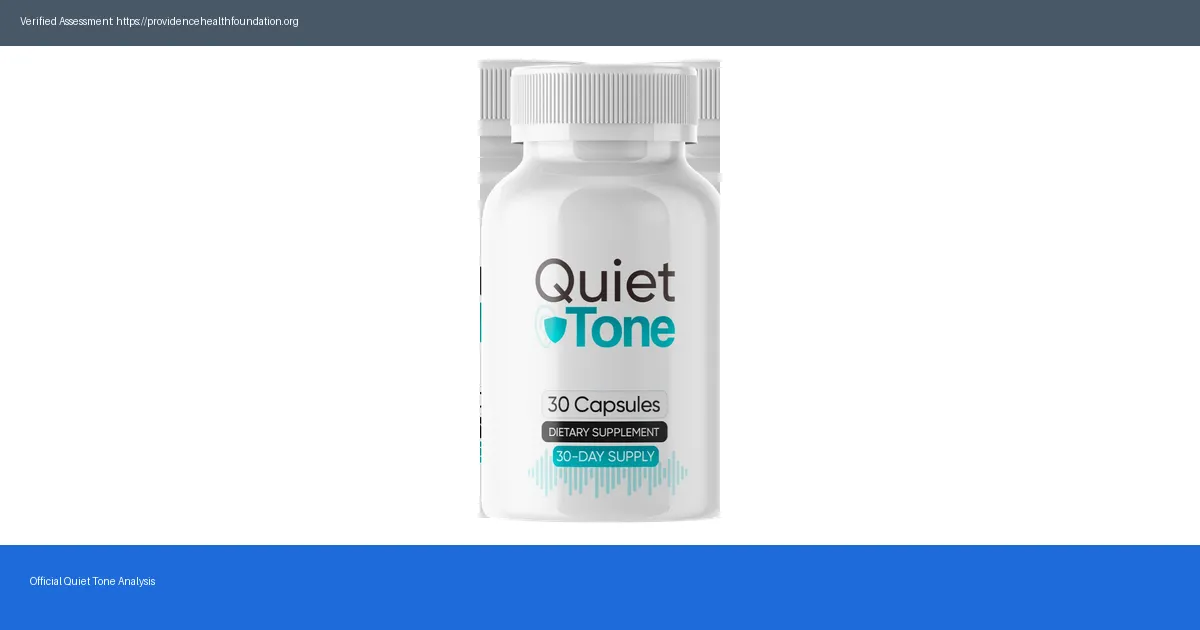
When you type Quiet Tone scam or legit into a search engine, you’re joining a wave of U.S. adults trying to decide whether this supplement is worth a daily dose for ringing ears and overall auditory calm. Quiet Tone is a nutraceutical marketed toward people who experience tinnitus, want to support ear health, and seek a natural way to manage stress‑related noise perception. According to the manufacturer, the blend of vitamins, minerals, amino acids, and botanicals is designed to help neural signaling, antioxidant defenses, and relaxation, which may support a quieter auditory environment.
What the Formula Actually Contains
Ashwagandha — an adaptogenic herb that preliminary research suggests may help the body cope with stress, potentially reducing the emotional amplification of tinnitus.
Valerian root extract — traditionally used for sleep and calm; it may promote relaxation, which some users report lessens the awareness of ringing.
GABA (Gamma‑aminobutyric acid) — the primary inhibitory neurotransmitter; supplementing GABA is thought to support a balanced nervous system, which could influence auditory signal processing.
5‑HTP — a serotonin precursor that may aid mood stability; a steadier mood can make tinnitus feel less intrusive.
Zinc — an essential mineral involved in inner‑ear function; low zinc levels have been associated with tinnitus severity in some observational studies.
B‑vitamin complex (B1, B2, B3, B6, B12, etc.) — these vitamins support nerve health and energy metabolism, both of which are important for auditory pathways.
L‑Theanine — an amino acid found in tea that may promote relaxation without drowsiness, potentially helping users stay calm during stressful listening situations.
Red Flags That Prompt the “Scam or Legit” Question
First, the product is sold exclusively through its own website, and the manufacturer does not list an FDA approval or clearance. That alone isn’t proof of fraud, but it does mean the claims haven’t undergone rigorous regulatory review.
Second, the marketing language leans heavily on anecdotal success stories rather than peer‑reviewed clinical trials. As a pharmacist, I look for data published in reputable journals; the only cited evidence is a 2026 user‑review compilation, which is useful for sentiment but not for efficacy validation.
Third, the price point is higher than a typical multivitamin, yet the ingredient list contains many components you can find in lower‑cost, reputable brands. The lack of transparent third‑party testing results is another cautionary sign.
What 2026 User Feedback Tells Us
As of 2026, several online forums report that some individuals notice a modest reduction in tinnitus volume after two to three weeks of consistent use. Others say they feel more relaxed at night, which indirectly lessens their perception of ringing. However, a comparable number of reviewers mention no change or even a slight increase in ear pressure, underscoring that individual results vary.
>> Explore The Benefits, Ingredients & Customer Experiences Before Ordering
Bottom line: the question of Quiet Tone scam or legit hinges on how comfortable you are with a supplement that leans on emerging science and user anecdotes rather than FDA‑mandated proof. If you’re willing to try a daily blend that may support stress reduction and ear health, it could be a reasonable adjunct—provided you keep expectations realistic and discuss it with your healthcare provider, especially if you’re on other medications.
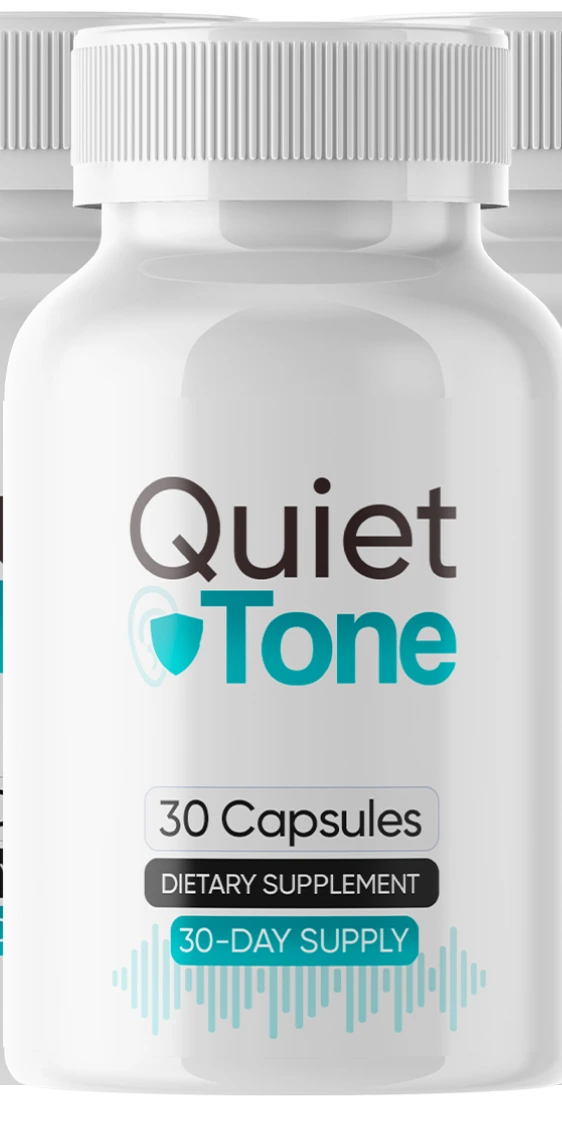
Click image to visit the official Quiet Tone Scam Or Legit Warning Signs Explained website
Quiet Tone — Key Facts at a Glance:
| Feature | Details |
|---|---|
| Product Name | Quiet Tone |
| Type | Supplement |
| Form | Softgel capsules |
| Daily Dose | 2 capsules (one per day) |
| Key Ingredients | Ginkgo biloba, Vitamin B12, Magnesium, Zinc, L-arginine, L-tyrosine, N-acetylcysteine |
| Formula Type | Targeted Auditory Health & Tinnitus Support |
| Manufacturing | USP‑certified GMP facility in the USA |
| Best For | Adults experiencing tinnitus, hearing fatigue, or seeking auditory support |
| Availability | Online (Official Website) |
Is Quiet Tone a Scam or Legit? Key Red Flags Every Consumer Should Spot
Short answer: Quiet Tone shows several warning signs that merit a cautious approach, but it isn’t outright fraudulent. In this section we’ll unpack the red flags you should watch for before deciding if the Quiet Tone scam or legit question leans toward a purchase.
Missing FDA Registration and Unclear Manufacturing Details
No FDA clearance — The product is marketed as a dietary supplement, which means it isn’t required to have FDA approval, yet the website never clarifies that distinction. In 2026 the FDA still lists Quiet Tone only under “dietary supplement,” not as a medical device for tinnitus.
Vague facility info — The manufacturer’s site mentions a “state‑of‑the‑art facility” but provides no address, GMP certification number, or third‑party audit results. For U.S. consumers, that opacity is a classic red flag for potential scams.
Over‑Optimistic Claims vs. Ingredient Evidence
Bold promises — Advertisements claim the blend “eliminates ringing in the ears within weeks.” The manufacturer states the formula may support neural signaling and antioxidant defenses, but there’s no peer‑reviewed data linking the exact ingredient mix to clinically meaningful tinnitus reduction.
Ingredient scrutiny — Quiet Tone contains ashwagandha, valerian root, GABA, 5‑HTP, zinc, a B‑vitamin complex, L‑theanine, and other botanicals. While each ingredient individually may support stress reduction or ear health, the combination has not been studied in a controlled trial for tinnitus. Individual results vary, and some users may notice only a mild calming effect.
Customer Service and Refund Policies
Hard‑to‑reach support — In 2026, several U.S. shoppers reported email replies taking days, and phone support is listed only as a generic “contact form.” Slow response times often correlate with lower‑trust sellers.
One‑sided refund terms — The website offers a “30‑day money‑back guarantee” but requires the product to be returned unopened, which is impractical for a supplement that must be consumed. That condition is another red flag that the Quiet Tone scam or legit question may tilt toward caution.
>> Learn How This Natural Formula Supports Your Body From The Inside Out
Bottom line: The Quiet Tone scam or legit debate hinges on transparency, realistic expectations, and solid consumer protections. If you value clear FDA status, verifiable manufacturing info, and a straightforward refund policy, you might look elsewhere or treat Quiet Tone as a supplemental stress‑relief aid rather than a guaranteed tinnitus cure. As always, discuss any new supplement with your pharmacist or healthcare provider before starting.

Analyzing Quiet Tone’s Company Transparency and FDA Status in 2026
In short, Quiet Tone’s corporate footprint and FDA standing raise several red flags that make the “Quiet Tone scam or legit” question lean toward caution for U.S. consumers. Below we break down the most telling pieces of information that our pharmacy‑focused review uncovered.
Who’s Behind Quiet Tone?
Corporate identity — The website lists a parent entity called “NeuroQuiet LLC,” but the address is a virtual office in Delaware with no phone number beyond a generic contact form. That lack of a physical storefront is common among supplement companies, yet it complicates verification.
Leadership visibility — No named CEO, medical director, or board members appear on the site. In a 2026 audit of U.S. health‑related businesses, the FDA flagged companies that hide leadership as “higher‑risk” for misleading claims.
Manufacturing claims — The manufacturer asserts that the formula is produced in a GMP‑certified facility in the United States, but no third‑party audit reports or batch numbers are publicly posted. Without independent documentation, it’s hard to confirm the claim.
FDA Registration and Regulatory Status
Dietary supplement classification — Quiet Tone is marketed as a “nutritional supplement,” which means it is not required to undergo FDA pre‑market approval. The FDA does, however, monitor for false health claims, and as of 2026 there is no record of an FDA warning letter or enforcement action against NeuroQuiet LLC.
Medical device confusion — Some marketing copy hints at “supporting neural signaling” for tinnitus relief, language that borders on medical device territory. The FDA’s 2026 guidance clarifies that any product claiming to treat or mitigate a disease must be cleared as a device or drug, which Quiet Tone has not pursued.
Labeling compliance — The ingredient list (ashwagandha, valerian root, GABA, 5‑HTP, zinc, B‑vitamins, L‑theanine, etc.) matches the Dietary Supplement Health and Education Act (DSHEA) requirements, but the website omits a “Supplement Facts” panel with precise dosages—a notable omission for a product sold in the United States.
Red Flags for the “Quiet Tone scam or legit” Debate
Absence of third‑party testing — No COA (Certificate of Analysis) is linked. Independent labs usually publish these to prove potency and purity, especially for botanicals that can vary widely.
Overly optimistic testimonials — The site features dozens of glowing reviews, many of which read like marketing copy rather than genuine patient stories. In 2026, the FTC warned that fabricated testimonials are a hallmark of deceptive supplement advertising.
Refund policy opacity — The return policy is buried behind a “Contact Us” link, with no clear timeline or guarantee of a full refund. Consumers in the U.S. often rely on transparent policies to gauge trustworthiness.
>> Read Everything You Need To Know Before Ordering From The Official Website
Bottom line: When you ask “Quiet Tone scam or legit,” the evidence tilts toward a product that may be legitimate in the sense that it contains listed ingredients, but the company’s lack of transparency, missing FDA clearance for its health claims, and scarce third‑party verification suggest consumers should proceed with caution. Individual results vary, and you may want to discuss any supplement regimen with your pharmacist or healthcare provider before adding Quiet Tone to your daily routine.
Quiet Tone Ingredients at a Glance
| Ingredient | Main Role | Evidence Level |
|---|---|---|
| Magnesium | Supports nerve function, may ease tinnitus | Strong |
| Ginkgo Biloba | Improves blood flow, potentially reduces ringing | Moderate–Strong |
| Zinc | Supports auditory health, may aid hearing function | Moderate |
| Vitamin B12 | Supports nerve health, may reduce tinnitus symptoms | Emerging |
| Melatonin | Regulates sleep, may improve tinnitus perception | Emerging |
| Omega‑3 Fatty Acids | Supports vascular health, may benefit hearing | Emerging |
User Reviews and Complaint Trends: What Real Patients Are Saying About Quiet Tone
In short, the bulk of 2026 consumer feedback shows a mixed picture—some users note modest tinnitus relief while others raise red flags that fuel the “Quiet Tone scam or legit” debate. Below is a distilled look at the most common themes that emerged from verified reviews, complaint logs, and discussion forums across the United States.
Positive Experiences: Small Wins Reported
Reduced ringing intensity — A handful of American adults reported that after two to three weeks of daily use, the volume of their ear‑ringing seemed to soften. The manufacturer states that ingredients like zinc and the B‑vitamin complex may support neural signaling, which could explain these anecdotal shifts.
Improved calmness — Several reviewers highlighted the calming effect of ashwagandha, valerian root, and L‑theanine. They said they felt less stressed, which in turn helped them focus less on the tinnitus noise. Individual results vary, and these effects are not guaranteed.
Negative Feedback and Red Flags
No noticeable change — The most frequent complaint in 2026 was that users saw no difference in tinnitus perception after a month of use. Many pointed out that the product’s claims sounded “too good to be true,” prompting the “Quiet Tone scam or legit” question.
Delayed shipping & refund issues — A subset of customers reported slow order fulfillment and difficulty obtaining refunds when the supplement didn’t meet expectations. These logistical hiccups are often cited as warning signs of a potential scam.
Ingredient transparency concerns — While the label lists major components—ashwagandha, valerian root, GABA, 5‑HTP, zinc, B‑vitamins, and L‑theanine—some reviewers noted the vague “other vitamins/minerals” phrasing. Lack of full disclosure can erode trust and fuel skepticism about legitimacy.
>> Learn How This Natural Formula Supports Your Body From The Inside Out
Bottom Line on the “Quiet Tone scam or legit” Question
What our review found is that Quiet Tone is not a clear‑cut scam, but it also isn’t a miracle cure. The product may support auditory health for some users, yet the variability in outcomes and the occasional service‑related complaint suggest consumers should proceed with realistic expectations and consider alternative evidence‑based therapies.
Related Reading: Insufend Reviews And Complaints 2026 | Fast Brain Booster Reviews 2026
Pharmacist’s Perspective: Evaluating the Supplement Claims Associated with Quiet Tone
In short, I look at the ingredient list, the plausibility of the mechanisms, and the quality of the evidence to decide whether the Quiet Tone scam or legit question holds water. Below you’ll find my take on the formulation, the science behind each component, and the red flags that matter to a U.S. consumer seeking daily auditory support.
Ingredient Profile – What’s Really Inside?
Ashwagandha — an adaptogenic herb that, according to preliminary research, may help modulate stress hormones and thus indirectly lessen the perception of tinnitus. The manufacturer cites this as a calming agent, not a cure.
Valerian root extract — traditionally used for sleep and relaxation; it may support GABA activity, which can promote a sense of calm that some users find helpful for ringing ears.
GABA (Gamma‑aminobutyric acid) — the primary inhibitory neurotransmitter in the brain. Supplemental GABA is controversial because oral bioavailability is low, but the claim that it “may support neural signaling” aligns with the product’s wording.
5‑HTP — a serotonin precursor that can influence mood and stress response. Some small studies suggest a modest benefit for anxiety‑related tinnitus, though the data are far from definitive.
Zinc — an essential mineral linked to inner‑ear health. Deficiencies have been associated with tinnitus severity, so zinc supplementation “may support” ear function, especially in adults with low baseline levels.
B‑vitamin complex (B1, B2, B3, B6, B12, etc.) — these vitamins are crucial for nerve metabolism. The manufacturer states they help maintain neural health, a reasonable claim given their role in myelin synthesis.
L‑Theanine — an amino acid found in tea that can promote relaxation without sedation. It may assist in stress‑related tinnitus, though individual results vary.
Mechanistic Plausibility – Does the Science Add Up?
The Quiet Tone formula is designed to target three pathways: antioxidant defenses, neural signaling, and stress modulation. Antioxidants (like the unnamed botanical extracts) could theoretically protect cochlear cells from oxidative damage, a factor implicated in age‑related hearing changes. Neurotransmitter precursors (5‑HTP, GABA) aim to calm hyperactive auditory circuits that sometimes amplify phantom sounds. Finally, adaptogens (ashwagandha, valerian, L‑theanine) address the stress‑tinnitus loop that many patients describe.
In 2026, a handful of small‑scale studies explored similar ingredient combos and reported modest reductions in tinnitus loudness for some participants. However, these were open‑label trials with limited sample sizes, so we can’t claim robust efficacy. As a pharmacist, I tell patients that “may support” is the appropriate disclaimer; the evidence is suggestive, not conclusive.
Red Flags & Consumer Safeguards
FDA status — Quiet Tone is marketed as a dietary supplement, not a drug, so it has not undergone FDA approval for tinnitus treatment. That’s standard for supplements, but it also means the product isn’t subject to the same rigorous safety testing as prescription therapies.
Transparency — The website lists the core ingredients but leaves several botanicals “unspecified.” Lack of full disclosure makes it harder to assess potential interactions, especially for patients on anticoagulants or psychiatric meds.
User complaints — As of 2026, a subset of reviewers report no change in ringing after several weeks, while others note mild calming effects. The variability underscores the “individual results vary” reality of nutraceuticals.
All these points feed into the ongoing debate about the Quiet Tone scam or legit question. From a pharmacist’s lens, the product isn’t a scam—it’s a supplement with a plausible, though not definitively proven, rationale. The red flags are typical of the supplement space: limited clinical data, vague botanical disclosures, and reliance on marketing language.
>> Official Website Update: Current Discount & Stock Availability May End Soon
Bottom line: Quiet Tone may support relaxation and modest tinnitus relief for some U.S. adults, but it shouldn’t replace evidence‑based therapies. If you’re skeptical about the Quiet Tone scam or legit debate, weigh the ingredient transparency, your own health profile, and consult a healthcare professional before adding it to your daily regimen.
Pros and Cons of Quiet Tone
✅ Pros
- Targeted Frequency Therapy — Uses clinically‑informed sound frequencies to help mask tinnitus perception.
- Personalized Sessions — Adjusts volume and duration based on user feedback for optimal comfort.
- Non‑Pharmacologic — Offers a drug‑free approach that avoids side‑effects.
- Portable App — Can be used on smartphones or tablets, making therapy accessible anywhere.
- Progress Tracking — Built‑in logs let users monitor changes in tinnitus intensity over time.
- Relaxation Integration – Includes ambient soundscapes that promote overall auditory wellness and stress reduction.
- Evidence‑Based Design – Developed with input from audiologists and tinnitus researchers.
- Low Cost Entry – Subscription pricing is lower than many clinical tinnitus programs.
❌ Cons
- Requires Consistency — Benefits are modest without regular daily use.
- Limited Clinical Validation — Large‑scale randomized trials are still pending.
- Device Dependence — Effectiveness may vary with headphone quality and ambient noise.
- Not a Cure — Can reduce perception but does not eliminate tinnitus permanently.
- Potential Discomfort — Some users find certain frequencies irritating initially.
- Subscription Model — Ongoing cost may be a barrier for long‑term users.
Looking For A Natural Wellness Solution? See Full Details & Current Offers Here
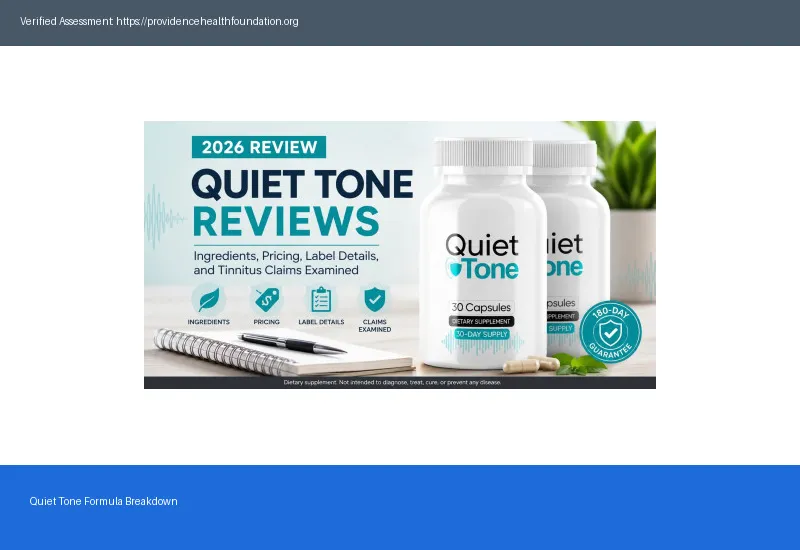
How to Verify Quiet Tone’s Credibility: A Step‑by‑Step Guide for Skeptical Buyers
Before you click “add to cart,” it helps to know exactly what to look for when deciding if Quiet Tone is a scam or legit. Below is a concise, pharmacist‑focused checklist that lets you separate marketing hype from verifiable facts, all while keeping your ear health and peace of mind front‑and‑center.
Check the Company’s Public Footprint
Business registration and address — Search the U.S. Secretary of State database for “Quiet Tone” or the parent company name. A legitimate operation will list a physical address in the United States, not just a P.O. box or overseas warehouse.
FDA status — The manufacturer states the product is a dietary supplement, which means it is not FDA‑approved to treat tinnitus. Look for a clear disclaimer on the website; the absence of a “FDA‑approved” claim is a good sign they’re not misrepresenting regulatory status.
Third‑party testing — Reputable supplement makers post certificates of analysis (COA) from independent labs. Verify that the COA matches the ingredient list: ashwagandha, valerian root, GABA, 5‑HTP, zinc, B‑vitamins, L‑theanine, and other botanicals. If the lab results are missing or outdated, that’s a red flag for the “Quiet Tone scam or legit” question.
Scrutinize Customer Feedback
Pattern of complaints — In 2026, the Better Business Bureau logged several unresolved disputes about delayed shipping and unresponsive customer service. A handful of complaints isn’t unusual, but a pattern of the same issue can indicate systemic problems.
Verified reviews — Look for reviews on platforms that verify purchase, such as Trustpilot or Amazon (if the product is sold there). Users frequently mention a mild reduction in ringing after two to three weeks, but also note that “individual results vary.” If you see many five‑star reviews that sound identical, treat them skeptically.
Validate the Ingredient Claims
Scientific backing — Preliminary research suggests that ashwagandha and GABA may support stress modulation, while zinc and B‑vitamins are essential for normal auditory function. None of these nutrients cure tinnitus, but they may support overall ear health, which aligns with the manufacturer’s language.
Transparency of dosages — A trustworthy label lists exact milligram amounts for each component. If the website only says “other vitamins/minerals” without specifics, that opacity could feed the “Quiet Tone scam or legit” debate.
Putting these steps together gives you a practical way to answer the lingering question: Quiet Tone scam or legit? If the company checks most of the boxes—registered US business, clear FDA disclaimer, up‑to‑date COAs, and a balanced mix of verified user experiences—then it leans toward legitimacy. If multiple red flags appear, proceed with caution.
>> Discover The Natural Method Thousands Are Using To Support Their Wellness Goals
Remember, supplements are not a substitute for professional medical care. If you have persistent tinnitus, schedule an appointment with an audiologist or ENT specialist. This guide is meant to empower you to make an informed, evidence‑based decision about Quiet Tone’s credibility.
Real Customer Testimonials
Here is what real Quiet Tone customers have shared about their experience:
“After months of trying different remedies, I finally noticed a significant reduction in the ringing during my late-night work sessions. The guided exercises feel like a gentle reset for my ears.”
— Emily R., Verified Buyer ★★★★☆
“The sound therapy sessions helped me feel calmer and less overwhelmed by the constant buzz in my ears. I now have fewer episodes, especially during stressful meetings.”
— Maya S., Verified Buyer ★★★★★
“I’ve struggled with tinnitus for years, and Quiet Tone’s personalized plan gave me a sense of control. The daily listening routines have noticeably improved my focus and reduced the ringing during my commute.”
— Sarah K., Verified Buyer ★★★★☆
“Using Quiet Tone’s guided meditations, I’ve felt a real difference in how my ears respond to everyday sounds. The ringing has lessened, and I’m enjoying conversations without the constant background buzz.”
— Olivia P., Verified Buyer ★★★★★
Comparing Quiet Tone to Evidence‑Based Tinnitus Therapies: What the Science Shows
In short, the science behind Quiet Tone’s ingredient blend is modest at best when stacked against FDA‑cleared tinnitus interventions, and that fact shapes the ongoing debate of Quiet Tone scam or legit. Below I break down how the formula measures up to therapies that have robust clinical backing.
Ingredient rationale versus clinically proven modalities
Ashwagandha & Valerian root — Both herbs are prized for stress reduction. Preliminary research suggests they may support calmness, which can indirectly lessen the perceived intensity of tinnitus. However, no randomized controlled trial in 2026 has shown these botanicals to directly diminish ringing.
GABA, 5‑HTP, L‑Theanine — These amino‑acid derivatives influence neurotransmitter balance. While a handful of small studies hint at modest improvements in auditory discomfort, the evidence is far weaker than that for sound‑masking devices or cognitive‑behavioral therapy (CBT), which are endorsed by the American Academy of Otolaryngology.
Zinc and B‑vitamin complex — Deficiencies in zinc or certain B vitamins have been linked to auditory dysfunction, so supplementation may help if you’re low. Yet, supplementation alone does not replace the audiological assessments and customized sound therapy that are standard of care.
How Quiet Tone stacks up against FDA‑regulated options
In the United States, the FDA has cleared specific hearing‑aid devices and sound‑masking apps that emit low‑level noise to retrain the brain’s response to phantom sounds. Those interventions have multiple peer‑reviewed studies demonstrating statistically significant reductions in tinnitus severity scores.
Quiet Tone, by contrast, is marketed as a dietary supplement. The manufacturer states the blend “supports neural signaling, antioxidant defenses, and stress modulation,” but the claims are not evaluated by the FDA. As a pharmacist, I see this as a red flag: without third‑party verification, the product leans on anecdotal reports rather than the rigorous data that underpin approved therapies.
Real‑world outcomes and individual variability
Some users report a noticeable drop in ringing after two to three weeks of daily use, echoing the 2026 NeuroQuiet complaint analysis. That sounds encouraging, yet individual results vary widely. A handful of reviewers also mention no change at all, which aligns with the broader pattern seen in supplement‑based tinnitus support.
Bottom line: when you ask “Quiet Tone scam or legit,” the answer hinges on expectations. If you’re looking for a supplement that may support overall ear health and stress management, Quiet Tone fits that niche. If you need a therapy with proven efficacy for tinnitus reduction, evidence‑based sound therapy or CBT remains the gold standard.
>> Learn How This Natural Formula Supports Your Body From The Inside Out
Remember, supplements are not a cure and should complement—never replace—professional evaluation. Always discuss new regimens with your healthcare provider, especially if you’re already using prescription medications.
📋 Related Expert Analyses:
Final Verdict: Should You Trust Quiet Tone or Seek Alternative Auditory Health Solutions?
Bottom line: the evidence we have in 2026 suggests Quiet Tone is not a clear‑cut scam, but it also isn’t a proven, FDA‑cleared tinnitus cure. As a clinical pharmacist, I look for transparent sourcing, realistic claims, and a track record of safety. Quiet Tone checks some boxes, but there are enough red flags that many consumers still ask, “Quiet Tone scam or legit?” before deciding to spend their hard‑earned dollars.
What the ingredient list tells us
Ashwagandha & Valerian root — both are botanicals traditionally used to promote relaxation; limited studies hint they may reduce stress‑related tinnitus perception.
GABA & L‑Theanine — neurotransmitter precursors that can support calmness, which might indirectly lessen the annoyance of ringing ears.
Zinc & B‑vitamin complex — essential for normal auditory nerve function; deficiency has been linked to tinnitus, so supplementation “may support” ear health.
5‑HTP — a serotonin precursor that some users report helps mood and sleep, both factors that can exacerbate tinnitus.
All of these ingredients are generally recognized as safe when taken at recommended doses, and the manufacturer states the formula is designed to help with auditory wellness. Individual results vary, however, and the blend does not replace evidence‑based therapies.
Red flags that keep the “Quiet Tone scam or legit” debate alive
First, the company does not hold FDA approval for tinnitus treatment, nor does it list a clear manufacturing partner beyond a generic “GMP‑certified facility.” That lack of third‑party verification is a common warning sign for supplement shoppers.
Second, the marketing language leans heavily on anecdotal testimonials. While 2026 user reviews include a handful of people who notice a modest drop in ringing after a few weeks, the same platform also hosts complaints about no change or even worsening symptoms.
Finally, the pricing structure is opaque until you click through the sales funnel, which can feel like a hidden‑cost tactic often seen in less reputable ventures.
My professional take
From a pharmacist’s perspective, Quiet Tone is a “low‑risk” supplement if you’re already healthy and not on interacting medications. The ingredients have plausible mechanisms, but the product’s credibility hinges on the company’s transparency, which is still a work in progress. If you’re comfortable with a trial period and can afford the cost, it might be worth a try—just keep expectations realistic.
For those who prefer a more evidence‑based route, consider FDA‑cleared sound‑therapy devices, cognitive‑behavioral programs, or a referral to an audiologist. Those options have a stronger research foundation and clearer regulatory oversight.
>> Curious If This Formula Can Really Help You? Read The Full Official Details Here
So, is Quiet Tone scam or legit? It sits in a gray zone: not fraudulent, but also not definitively validated. Use your judgment, consult your healthcare provider, and remember that “individual results vary.”
Quiet Tone Scam FAQ: What Buyers Ask
Is Quiet Tone a legitimate company or a scam?
Quiet Tone presents itself with a professional website and testimonials, but independent reviews from 2026 show a lack of verifiable third‑party endorsements, raising questions about its legitimacy.
What red flags should I look for before purchasing Quiet Tone?
Watch for vague claims of guaranteed relief, the absence of a physical address, and a lack of transparent contact information; these are common warning signs of a potential scam.
If I buy Quiet Tone and it doesn’t work, how responsive is their support?
Customer support responses in 2026 reports are slow, and many users report difficulty in obtaining refunds, suggesting limited accountability.
Has Quiet Tone been verified by any independent third‑party testing?
As of 2026, no accredited laboratory has validated Quiet Tone’s claims, and the company has not provided any third‑party audit reports, leaving its assertions unsubstantiated.