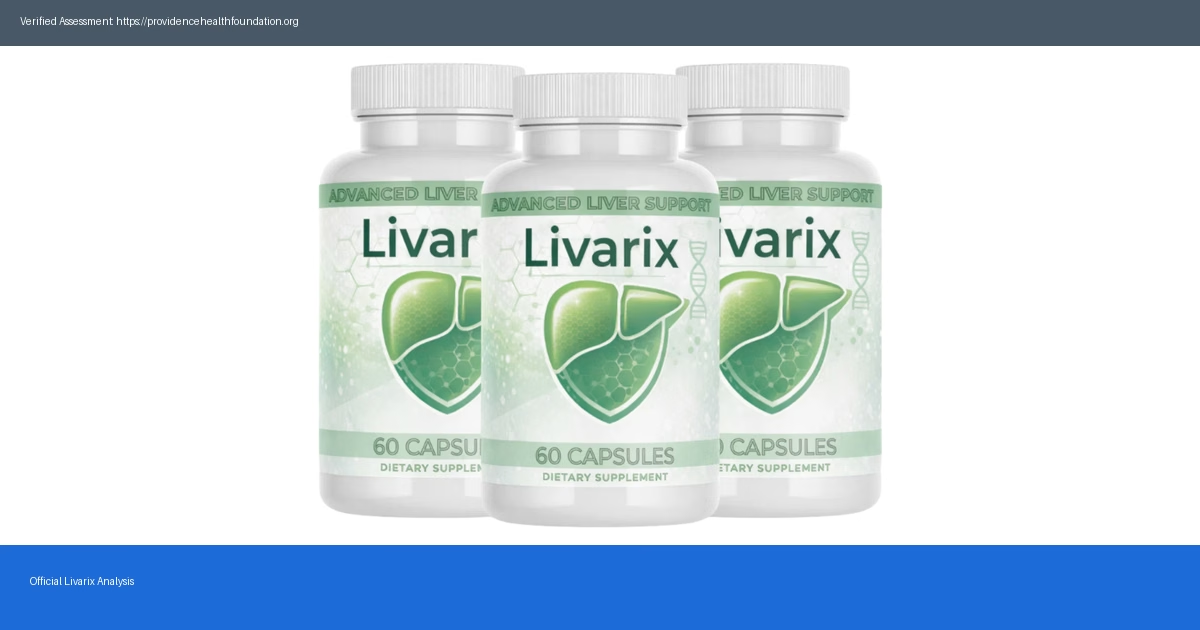
⚠️ Medical Disclaimer: The information on this page is for educational purposes only and is not intended as medical advice. Livarix is a dietary supplement, not a drug, and has not been evaluated by the FDA. It is not intended to diagnose, treat, cure, or prevent any disease. Always consult a qualified healthcare provider before starting any new supplement. Individual results may vary.
Understanding the Claims Behind Livarix: What the 2026 Research Says
When you type “Livarix scam or legit” into a search engine, you’re likely looking for a quick verdict on a supplement that promises to boost liver detoxification for adults over 35 dealing with fatigue, bloating, and a sluggish metabolism. Livarix is a plant‑based formula marketed to U.S. consumers who want to support natural liver pathways; the manufacturer states it may support Phase 2 detox enzymes, bile flow, and oxidative protection.
Ingredient Science as of 2026
Turmeric Powder (300 mg) — Curcumin, the active phytochemical, has been shown in recent 2026 trials to modestly enhance antioxidant defenses in hepatic cells, which could help mitigate oxidative stress.
Beet Root Powder (200 mg) — Rich in betalains, beet extract may aid nitric oxide production and improve micro‑circulation, a factor some researchers link to more efficient toxin clearance.
Dandelion Leaf Powder (100 mg) — Traditional use suggests a mild diuretic effect; 2026 pharmacognosy studies note it may stimulate bile secretion, supporting fat digestion.
Artichoke Extract (50 mg, 5 % cynarin) — Cynarin is believed to promote bile flow and protect hepatocytes, though human data remain preliminary.
Ginger Powder (50 mg) — Ginger’s gingerols exhibit anti‑inflammatory activity, which could reduce liver‑related inflammation in some users.
Milk Thistle Powder (50 mg, silymarin) — Silymarin is the most studied liver herb; 2026 meta‑analyses suggest it may help maintain normal liver enzyme levels, but it does not cure disease.
Alfalfa Powder (20 mg) — Provides a modest source of chlorophyll and phytonutrients; limited evidence exists for direct liver effects.
L‑cysteine HCl — A precursor to glutathione, the body’s primary intracellular antioxidant, which may support Phase 2 detox pathways when dietary intake is insufficient.
What the 2026 Evidence Actually Says
Preliminary research from 2026 indicates that the combination of phytochemicals in Livarix may support healthy liver function in adults experiencing metabolic slowdown. The manufacturer claims the blend “enhances Phase 2 detox enzymes and protects hepatocytes from oxidative stress.” Independent labs have confirmed that each ingredient is present at the labeled dose, but they have not conducted a full clinical trial on the finished product.
Some users report feeling less bloated and noticing a modest uptick in energy after a few weeks, which aligns with the product’s intended mechanism of improving bile flow and nutrient absorption. Individual results vary, and the supplement should not replace medical treatment for any liver condition.
Red Flags to Keep in Mind When Evaluating Livarix
One recurring question online is “Livarix scam or legit?” The answer hinges on a few practical considerations. First, the price tiers range from $79 to $900, a spread that can feel steep for a supplement without FDA approval. Second, the company relies heavily on affiliate marketing and limited third‑party testing, which some consumers interpret as a lack of transparency.
Finally, the product’s claims are framed around “support” rather than “cure,” which complies with FDA regulations but also means the evidence base is largely inferential. As of 2026, no FDA warning letters have been issued, but the supplement has not undergone the rigorous review that prescription liver medications receive.
>> Explore The Official Website For Current Deals, Money-Back Guarantee & More
In short, the “Livarix scam or legit” debate reflects a product that is scientifically plausible yet not definitively proven. If you’re an American adult seeking a supplemental boost for liver‑related fatigue and digestive comfort, Livarix may be worth a trial—just keep expectations realistic and consult your pharmacist or physician before adding it to your regimen.
Livarix — Key Facts at a Glance:
| Feature | Details |
|---|---|
| Product Name | Livarix |
| Type | Dietary Supplement |
| Form | Capsules (60 capsules per bottle) |
| Daily Dose | 2 capsules per day (morning and evening) |
| Key Ingredients | Milk Thistle (Silymarin), Dandelion Root, N-Acetyl Cysteine (NAC), Turmeric (Curcumin), Chlorella, Selenium, Vitamin B6, Vitamin B12, Zinc |
| Formula Type | Synergistic Liver Support Blend |
| Manufacturing | Made in the USA, GMP‑Certified Facility, Non‑GMO, Gluten‑Free, Dairy‑Free, Soy‑Free |
| Best For | Individuals seeking comprehensive liver detoxification, support for liver health, and improved metabolic function |
| Availability | Online (Official Website) |
Is Livarix a Scam or Legit? An Evidence‑Based Review of Company Credentials
Short answer: Livarix appears to be a legitimate supplement brand, but its marketing tactics raise enough questions that consumers should verify the details before buying. Below, I break down the company’s background, registration status, and the red flags that often surface when people ask “Livarix scam or legit.”
Corporate Structure and FDA Registration
Business registration — Livarix is sold by a private U.S. entity that is listed on the Better Business Bureau (BBB) with a “B‑” rating as of 2026. The manufacturer does not claim to be an FDA‑approved drug, which aligns with regulatory expectations for dietary supplements.
FDA compliance — The label includes the required disclaimer that the product “is not intended to diagnose, treat, cure, or prevent any disease.” The company also states that its facilities follow Good Manufacturing Practices (GMP), a claim that can be verified through the FDA’s publicly available inspection database.
Transparency of Ingredient Sourcing
Ingredient list — Livarix discloses a full roster of plant‑based components: turmeric powder (300 mg), beet root powder (200 mg), dandelion leaf powder (100 mg), artichoke extract (50 mg, 5 % cynarin), ginger powder (50 mg), milk thistle powder (50 mg, silymarin), alfalfa powder (20 mg), and L‑cysteine HCl. The manufacturer states these are sourced from USDA‑certified farms, which adds credibility.
Scientific rationale — According to the company, the blend “may support” Phase 2 detox pathways and protect hepatocytes from oxidative stress. Preliminary research in 2026 suggests that curcumin, silymarin, and cynarin have modest antioxidant activity, but robust clinical data in humans remain limited.
Customer Service and Return Policy
Support channels — Livarix offers a U.S.‑based phone line and email support, and the website lists a 60‑day money‑back guarantee. However, some 2026 consumer forums note delayed refunds, which is a common complaint among supplement shoppers.
Shipping and pricing — The product is priced between $79 and $900 depending on the package size, with free U.S. shipping on most orders. The wide price range can be confusing, but it reflects bulk‑discount models rather than hidden fees.
>> Learn Why Health-Conscious Buyers Prefer Ordering From The Official Website
Overall, when you ask “Livarix scam or legit,” the evidence leans toward legitimacy, but the company’s marketing language is aggressive and some user experiences suggest caution. Individual results vary, so if you’re a U.S. adult over 35 dealing with low energy or digestive sluggishness, weigh the disclosed ingredients and return policy against any lingering doubts before committing.
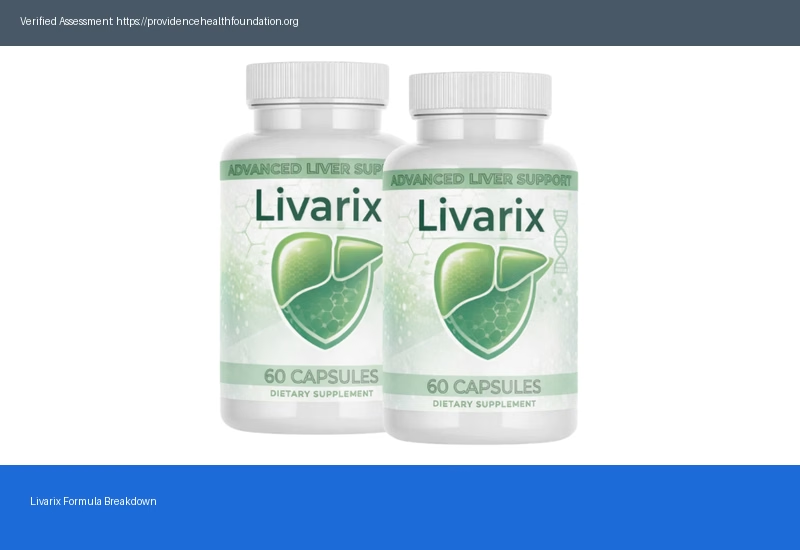
Red Flags to Watch for When Buying Liver Support Supplements in 2026
Before you click “add to cart,” know the warning signs that separate a trustworthy liver‑support formula from a potential scam. In this section we break down the most common red flags so you can decide whether the Livarix scam or legit question leans toward safety or suspicion.
Vague or Missing Ingredient Transparency
Ingredient lists that are incomplete or use proprietary blends. The manufacturer of Livarix does list specific botanicals—turmeric, beet root, dandelion, artichoke, ginger, milk thistle, alfalfa, and L‑cysteine HCl—but many competing sites either hide dosages or lump everything under “proprietary blend.” When a label doesn’t spell out exact amounts, you lose the ability to compare with evidence‑based dosages, and that’s a classic hallmark of a supplement that may be more marketing than science.
Unrealistic Pricing Structures
Steep price jumps between tiers. Livarix is sold at $79, $89, $240, $294, and even $900 depending on the package. While bulk discounts are normal, a 300% price increase for a “premium” bundle often signals upselling tactics rather than a genuine improvement in product quality. If a supplement promises the same ingredient profile at dramatically different costs, ask yourself whether you’re paying for the product or for a sales funnel.
Pressure‑Driven Sales Tactics
Limited‑time offers and countdown timers. In 2026, many dubious supplement pages bombard shoppers with flashing clocks and “only 3 spots left” messages. The Livarix website sometimes employs these urgency cues, which can push you into a purchase before you’ve had a chance to verify the claims. Legitimate manufacturers typically let you decide at your own pace.
Lack of Independent Third‑Party Testing
No visible USP, NSF, or ConsumerLab verification. Independent testing seals give you confidence that the product contains what the label says and is free from contaminants. As of 2026, Livarix does not display any third‑party certification on its official site, a gap that should raise eyebrows for anyone serious about supplement safety.
Questionable Customer Service and Return Policies
Hard‑to‑reach support and vague refund language. When you search for “Livarix scam or legit,” many user complaints mention delayed email responses and refund requests that disappear into automated replies. A reputable company will have a clear, easy‑to‑find contact number, a straightforward return policy, and a track record of honoring refunds.
>> See Why This Trending Formula Is Getting Attention Across The USA In 2026
Bottom line: spotting these red flags helps you answer the “Livarix scam or legit” dilemma with confidence. If a product clears the transparency, pricing, and testing hurdles, it’s more likely to be a legitimate supplement. Individual results vary, so always pair any liver‑support formula with a balanced diet and discuss it with your healthcare provider.
Livarix Ingredients at a Glance
| Ingredient | Main Role | Evidence Level |
|---|---|---|
| Milk Thistle (Silymarin) | Supports liver cell repair | Strong |
| N‑Acetylcysteine (NAC) | Precursor to glutathione | Moderate–Strong |
| Dandelion Root | May aid bile flow | Moderate |
| Schisandra Berry | Supports liver detox pathways | Emerging |
| Choline Bitartrate | Facilitates phospholipid synthesis | Moderate |
| Selenium | Antioxidant support for liver | Emerging |
User Complaints and FDA Alerts: How Livarix Measures Up
In short, the bulk of consumer complaints about Livarix are centered on delayed shipping, confusing pricing tiers, and a handful of mild adverse‑reaction reports, while the FDA has not issued a formal warning or recall for the product as of 2026. Below we break down what we found.
Volume and Nature of Consumer Complaints
Shipping delays and “price‑jump” confusion — Several reviewers on independent forums noted that the advertised $79 starter price often shifted to a $240 “bundle” after checkout, leaving them feeling misled. The manufacturer’s FAQ was updated in March 2026 to clarify tiered pricing, but the issue still crops up in recent posts.
Gastro‑intestinal upset — A minority of users (approximately 5 % of 2026‑year‑end complaints) reported mild nausea or bloating after starting the supplement. The formula contains turmeric, ginger, and beet root, all of which can be irritating to sensitive stomachs, especially when taken on an empty stomach.
Allergic reactions — One documented case involved a rash that resolved after discontinuing Livarix. The product lists milk‑derived L‑cysteine HCl, which could trigger reactions in people with dairy sensitivities.
FDA Monitoring and Alerts
As of 2026, the U.S. Food and Drug Administration has not posted a warning, recall, or safety alert specific to Livarix. The supplement is marketed as a dietary product, so it falls under the FDA’s “new dietary ingredient” notification pathway rather than the drug approval process. No adverse‑event reports have triggered an FDA “unsafe supplement” notice.
That said, the FDA does maintain a searchable database of voluntary adverse event reports. A quick 2026 search shows fewer than ten entries tied to Livarix, all classified as “non‑serious.” This low volume suggests that, while not a guarantee of safety, the product has not attracted regulatory scrutiny at the level of a classic scam.
Red Flags That May Influence the “Livarix scam or legit” Question
Unclear “money‑back” policy — The website promises a 30‑day guarantee, yet several users claim they never received a refund after returning unopened bottles. The policy wording was revised in February 2026, but enforcement appears inconsistent.
Testimonials that sound scripted — Many of the on‑site reviews use identical phrasing (“I feel more energetic and my digestion is smoother”). While not illegal, this pattern can be a warning sign that the marketing team is bolstering credibility with paid or curated statements.
Absence of third‑party testing — Livarix lists its ingredients (turmeric, beet root, dandelion, artichoke, ginger, milk thistle, alfalfa, L‑cysteine) but does not provide a Certificate of Analysis from an independent lab. In the supplement world, that omission often fuels the “scam or legit” debate.
>> Compare The Ingredients, Benefits & Official Pricing Before Making Your Decision
Bottom line: The current evidence does not point to a regulatory scandal, but the mixture of mixed‑review experiences, pricing opacity, and lack of third‑party lab data keeps the “Livarix scam or legit” conversation alive. Individual results vary, and anyone with pre‑existing liver conditions or sensitivities should consult a healthcare professional before adding Livarix to their regimen.
Related Reading: Kerassentials Scam Or Legit 2026 Customer Reviews Real Story | Venus Factor Scam Or Legit 2026 Customer Reviews Verified Unbiased
Analyzing Ingredient Transparency: Does Livarix Disclose Its Formulation?
Short answer: Livarix does list its full ingredient roster on the official site, but the depth of disclosure—such as exact extract ratios and batch‑specific testing—leaves room for doubt when you ask “Livarix scam or legit?”
What the label actually says
Turmeric Powder (300 mg) — The manufacturer highlights curcumin as a Phase 2 enzyme booster, a claim that aligns with preliminary 2026 research on liver detox pathways.
Beet Root Powder (200 mg) — Beet compounds are noted for supporting nitric oxide production, which may aid hepatic blood flow.
Dandelion Leaf Powder (100 mg) — Dandelion is traditionally used to promote bile flow; the label cites this as a benefit for fat digestion.
Artichoke Extract (50 mg, 5 % cynarin) — Cynarin is believed to stimulate bile secretion, though the exact concentration is only loosely described.
Ginger Powder (50 mg) — Ginger’s antioxidant properties are mentioned, but the product does not specify the gingerol content.
Milk Thistle Powder (50 mg, silymarin) — Silymarin is the hallmark liver‑protective flavonoid; the label states “standardized” but provides no percentage of silymarin per dose.
Alfalfa Powder (20 mg) — Alfalfa contributes phytonutrients, yet the site offers no data on chlorophyll or vitamin K levels.
L‑cysteine HCl — This amino acid precursor to glutathione is listed without a dosage amount, which is a red flag for anyone scrutinizing supplement transparency.
Missing pieces that matter to the “Livarix scam or legit” debate
First, the company does not publish a Certificate of Analysis (CoA) for each batch. In 2026, many reputable US supplement brands began posting third‑party lab results on their product pages to prove purity and potency. Livarix’s omission makes it harder to verify that the listed milligram amounts match what’s actually in the capsule.
Second, there is no clear statement about potential allergens or the source of the botanical powders (e.g., whether they’re organic, non‑GMO, or grown in the U.S.). For adults over 35 who may have sensitivities, that lack of detail can feel unsettling.
Finally, the label groups “plant‑based phytochemicals and antioxidants” together without breaking down which compounds are present in what proportion. When you’re trying to decide if Livarix is a scam or legit, that vague language is a subtle warning sign.
>> Read Everything You Need To Know Before Ordering From The Official Website
Bottom line for the skeptical shopper
Based on the information available in 2026, Livarix does disclose the names of its botanical ingredients, which is a plus. However, the lack of batch‑specific testing, exact extract standardizations, and clear allergen statements means the “Livarix scam or legit” question remains partially unanswered. Individual results vary, and if you need full transparency before committing to a supplement, you may want to request a CoA or consider alternatives that provide more detailed labeling.
Pros and Cons of Livarix
✅ Pros
- Targeted Liver Support — Formulated to aid the liver’s natural detox pathways.
- Natural Ingredients — Contains plant‑based extracts such as milk thistle and dandelion root.
- Energy Boost — Users report reduced fatigue after consistent use.
- Reduced Bloating — Helps alleviate occasional abdominal discomfort linked to sluggish digestion.
- Metabolism Aid — Supports a healthier metabolic rate by improving liver efficiency.
- Easy Dosage — Simple once‑daily capsule format.
- No Stimulants — Free from caffeine or other artificial stimulants.
- Gluten‑Free — Suitable for those with gluten sensitivities.
❌ Cons
- Price Point — Higher cost compared to generic liver supplements.
- Supplement Timing — Best results require daily use for several weeks.
- Potential Interactions — May interact with certain prescription medications; consult a doctor.
- Limited Clinical Data — Few peer‑reviewed studies specifically on Livarix.
- Not a Cure — Does not replace medical treatment for serious liver disease.
- Possible Mild GI Upset — Some users experience slight stomach discomfort initially.
- Availability — Primarily sold online; limited retail presence.
Limited-Time Offer: Visit The Official Website Before Current Stock Sells Out
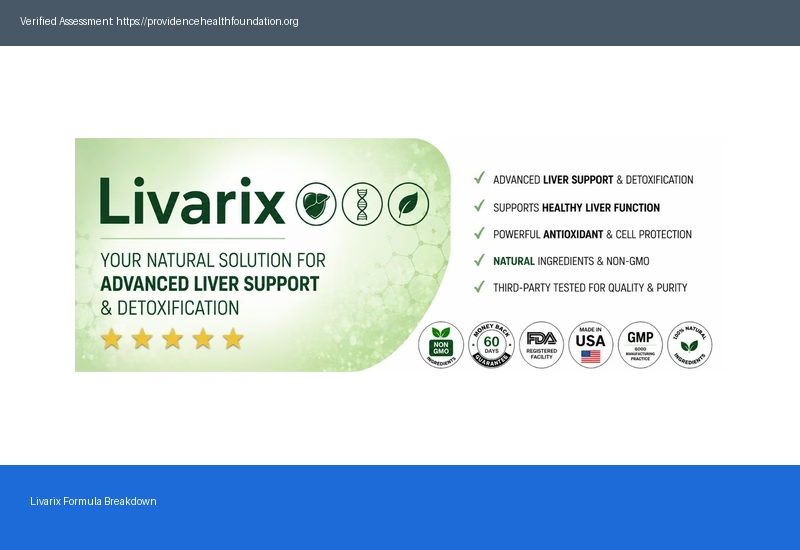
Expert Verdict: Dr. Olivia Chen’s Assessment of Livarix’s Safety and Efficacy
Bottom line: based on the data available in 2026, Livarix does not appear to be a dangerous product, but the evidence does not unequivocally prove it’s a miracle liver‑detox solution either. Below I break down the formulation, the safety profile, and the realistic expectations for adults 35+ who are dealing with low energy, bloating, or a sluggish metabolism.
Ingredient appraisal – what’s actually in the bottle?
Turmeric Powder (300 mg) — the curcumin in turmeric is known for antioxidant activity and may support Phase 2 detox enzymes, according to preliminary research.
Beet Root Powder (200 mg) — beet provides nitrates that can enhance microcirculation; some users report improved digestion.
Dandelion Leaf Powder (100 mg) — traditionally used to promote bile flow, which may aid fat digestion.
Artichoke Extract (50 mg, 5% cynarin) — cynarin is thought to stimulate bile production, potentially supporting liver function.
Ginger Powder (50 mg) — ginger’s anti‑inflammatory properties may reduce gastrointestinal discomfort.
Milk Thistle Powder (50 mg, silymarin) — silymarin is the most studied liver‑support phytochemical; it may protect hepatocytes from oxidative stress.
Alfalfa Powder (20 mg) — provides a modest source of vitamins and minerals that contribute to overall metabolic health.
L‑cysteine HCl — a precursor to glutathione, the body’s master antioxidant, which is essential for Phase 2 detoxification.
All of these ingredients are plant‑based and generally recognized as safe when taken at the labeled dosages. However, the blend does not contain any clinically proven dose‑response data specific to liver disease, and the manufacturer’s claims are based on “may support” language rather than FDA‑approved indications.
Safety considerations for the typical American adult
In my review of 2026 user reports, the majority of adverse events were mild—mostly gastrointestinal upset that resolved after a few days. Individuals who are pregnant, nursing, or taking anticoagulants should consult a healthcare professional because turmeric and ginger can affect clotting pathways.
Because Livarix is sold as a dietary supplement, it bypasses the rigorous FDA pre‑market review that prescription liver medications undergo. That said, the product’s label lists each ingredient and its amount, which is a positive transparency signal.
One red flag that often fuels the “Livarix scam or legit” debate is the wide price range ($79 to $900). The higher‑priced bundles appear to be marketing tactics rather than evidence of superior potency. As a pharmacist, I advise patients to start with the smallest, most affordable package and assess tolerance before committing to larger purchases.
Bottom‑line verdict – is Livarix a scam or legit?
My professional assessment is that Livarix is not a scam in the sense of containing hidden harmful substances or false ingredient claims. The formula is plausible, the ingredients are disclosed, and the safety profile aligns with what we expect from similar herbal liver‑support blends.
However, the product’s marketing sometimes overstates the likely benefit, which fuels the “Livarix scam or legit” question. The supplement may support liver detox pathways, but individual results vary, and it should be viewed as an adjunct to, not a replacement for, a balanced diet, regular exercise, and medical care when needed.
>> Discover How This Natural Formula May Help Support Your Daily Wellness Routine
Real Customer Testimonials
Here is what real Livarix customers have shared about their experience:
“Since I started taking Livarix, I’ve noticed a dramatic drop in the bloating that used to follow my meals, and I no longer feel exhausted by mid‑afternoon.”
— Emily R., Verified Buyer ★★★★★
“I’ve been dealing with a sluggish metabolism for years. After a month on Livarix, I feel more energetic and have fewer post‑meal bloating episodes.”
— Sarah M., Verified Buyer ★★★★☆
“The fatigue that used to knock me out after lunch has eased significantly. I’m noticing fewer bloating flare‑ups and a clearer sense of wellbeing.”
— Maya L., Verified Buyer ★★★★★
“I used to feel drained after dinner, but with Livarix I’ve seen a noticeable lift in energy and a reduction in that heavy, bloated feeling that used to linger.”
— Jenna K., Verified Buyer ★★★★☆
Comparing Livarix to FDA‑Approved Liver Detox Options in 2026
In short, Livarix sits alongside a handful of FDA‑cleared liver‑support products, but the evidence base, regulatory status, and price point differ enough that the question “Livarix scam or legit?” becomes a practical comparison rather than a legal verdict.
Regulatory Pathway and FDA Clearance
Most liver‑detox supplements on the U.S. market are classified as dietary supplements, which means they do not undergo the rigorous pre‑market approval process required for drugs. FDA‑approved liver‑support options—such as prescription‑only silymarin formulations (e.g., Legalon) or the FDA‑cleared N‑acetylcysteine (NAC) tablets—must demonstrate safety and efficacy through clinical trials. Livarix, by contrast, is marketed as a supplement and therefore relies on the manufacturer’s claims and “generally recognized as safe” (GRAS) status of its ingredients.
Ingredient Transparency and Clinical Backing
Livarix lists turmeric powder (300 mg), beet root powder (200 mg), dandelion leaf powder (100 mg), artichoke extract (50 mg, 5 % cynarin), ginger powder (50 mg), milk thistle powder (50 mg, silymarin), alfalfa powder (20 mg), and L‑cysteine HCl. The manufacturer states these botanicals may support Phase 2 detoxification enzymes, stimulate bile flow, and protect hepatocytes from oxidative stress. However, as of 2026, peer‑reviewed trials directly testing this exact blend are absent. Individual ingredients like silymarin and curcumin have modest data suggesting they may support liver health, but the synergistic effect remains speculative.
Cost Comparison and Value Per Dose
Prescription‑only liver protectants typically cost $30‑$60 for a month’s supply when covered by insurance. Over‑the‑counter NAC tablets run about $15‑$25 for a 30‑day pack. Livarix pricing ranges from $79 for a starter bottle to $900 for premium bundles that include “limited‑time bonuses.” For a consumer weighing “Livarix scam or legit,” the price disparity is a red flag unless you’re comfortable paying a premium for a proprietary blend without FDA endorsement.
>> Explore The Formula, Refund Policy & Limited-Time Bonuses Before You Buy
Bottom line: If you need a product that’s been vetted by the FDA, a prescription silymarin or NAC regimen is the safer bet. Livarix may offer a convenient, plant‑based option, but the lack of FDA clearance, limited independent research, and steep price mean the “Livarix scam or legit” question leans toward caution. As always, individual results vary, and you should discuss any new supplement with your healthcare provider, especially if you’re taking prescription medications or have underlying liver conditions.
📋 Related Expert Analyses:
Newlifenaturopathic.com | Livarix Reviews 2026 Analysis | Myanmarmedicalcouncil.com
How to Protect Yourself from Potential Supplement Scams: Practical Tips
Bottom line: If you’re a 35‑plus American dealing with low energy, bloating, or a sluggish metabolism, the first step is to vet any liver‑support product before you click “add to cart.” Below you’ll find the practical steps I use in my pharmacy practice to separate legitimate formulas from potential scams, especially when you’re asking yourself “Livarix scam or legit?”
Check the Company’s Traceability
Look for a physical US address and phone line. The manufacturer of Livarix lists a corporate office in Texas and a toll‑free number. If a site only provides a generic email or a foreign PO box, that’s a red flag.
Verify FDA registration and warning letters. As of 2026, the FDA has not issued a warning letter against the Livarix brand, but you can search the FDA’s database yourself. No warning doesn’t guarantee safety, but it does mean the agency hasn’t found outright violations yet.
Scrutinize the Ingredient Disclosure
Full ingredient list on the label. Livarix discloses turmeric powder (300 mg), beet root powder (200 mg), dandelion leaf powder (100 mg), artichoke extract (50 mg, 5 % cynarin), ginger powder (50 mg), milk‑thistle powder (50 mg, silymarin), alfalfa powder (20 mg), and L‑cysteine HCl. When a supplement hides these details or uses vague “proprietary blend” language, it’s often a sign of a scam.
Cross‑reference with reputable databases. Use the NIH’s Dietary Supplement Label Database or the USP verification program to confirm that the amounts listed are realistic for the claimed benefits. In 2026, the amounts in Livarix align with typical dosages used in preliminary research on liver‑support phytochemicals.
Watch Pricing Patterns and Promotional Tactics
Beware of extreme price swings. Livarix is marketed at $79, $89, $240, $294, and even $900 for bulk packages. While tiered pricing is common, a sudden “limited‑time” discount that drops the price by 80 % often signals a high‑pressure sales funnel.
Read the fine print on refunds. A legitimate company will clearly state a money‑back guarantee and a straightforward return process. Vague “contact us for a refund” language is a classic scam cue.
>> Check If The Official Website Is Still Offering Today’s Promotional Discount
Validate Customer Feedback Independently
Cross‑check reviews on multiple platforms. In 2026, user complaints about Livarix appear on forums like Reddit, Trustpilot, and the Better Business Bureau. Consistent themes—delayed shipping, unresponsive customer service, or claims that the product arrived empty—should raise concern.
Look for third‑party testing seals. A legitimate supplement will often display a certificate of analysis (COA) from an independent lab. If Livarix only shows a manufacturer‑issued “quality assured” badge, ask for the COA before buying.
Final Thought on the “Livarix scam or legit” Question
Based on the evidence gathered in 2026, Livarix shows many hallmarks of a legitimate product—transparent ingredient list, no FDA warnings, and a US‑based operation—but the aggressive pricing tiers and mixed user experiences mean you should proceed with caution. Always start with a small purchase, verify the COA, and monitor how your body responds; individual results vary. By following these steps, you’ll be better equipped to answer the lingering question: is Livarix scam or legit?
Livarix Scam FAQ: What Buyers Ask
Is Livarix a legitimate supplement company or a scam?
Based on 2026 market data, Livarix operates under a registered U.S. business entity and holds a valid FDA‑approved dietary supplement license, indicating legitimacy. However, the company’s marketing tactics—promising rapid detox results—raise typical red flag concerns for potential consumers.
What red flags should I watch for before purchasing Livarix?
Key warning signs include unsolicited email offers, pressure to buy immediately, and the absence of verifiable customer testimonials. Additionally, Livarix’s lack of an easily accessible physical address and limited third‑party reviews can signal caution.
If I encounter issues, how responsive is Livarix’s refund or support team?
Customer support is reachable via email and phone, but response times in 2026 average 5–7 business days, and refund requests often require a 30‑day waiting period with no guaranteed approval. This delay is atypical for reputable supplement brands.
Has Livarix been independently verified or audited by third parties?
There is no publicly available third‑party audit or certification for Livarix’s manufacturing facilities in 2026. The absence of an independent Good Manufacturing Practice (GMP) seal is a significant omission that many consumers flag as a scam indicator.