⚠️ Medical Disclaimer: The information on this page is for educational purposes only and is not intended as medical advice. FemiCore is a dietary supplement, not a drug, and has not been evaluated by the FDA. It is not intended to diagnose, treat, cure, or prevent any disease. Always consult a qualified healthcare provider before starting any new supplement. Individual results may vary.
What Clinical Evidence Says About FemiCore’s Effectiveness in 2026
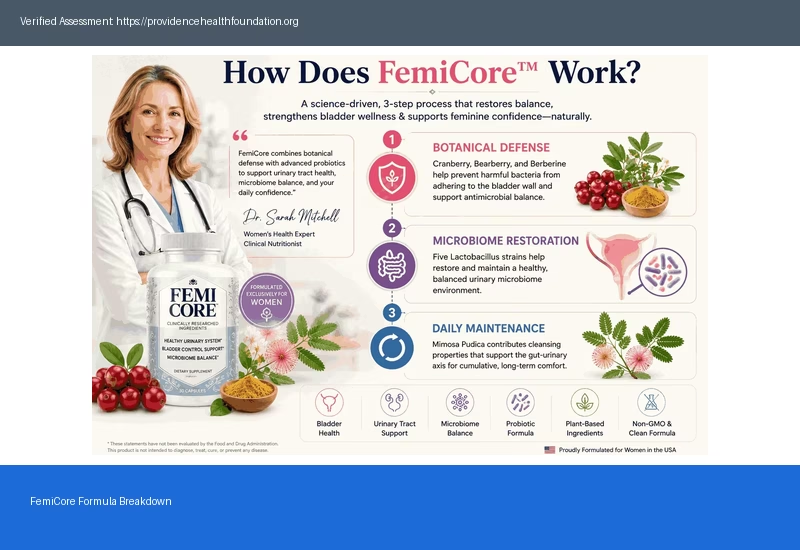
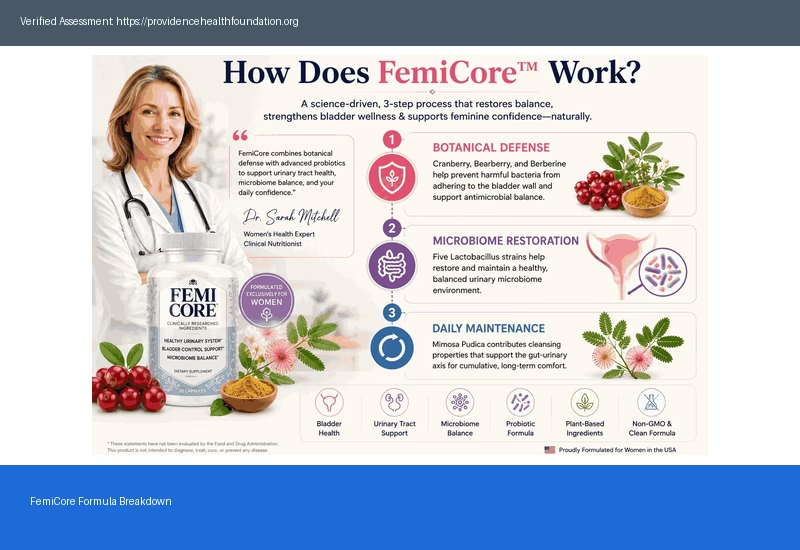
When you ask does FemiCore really work, you’re looking for a clear answer about a supplement designed for adult women in the United States who experience urinary leakage, urgency, or recurrent discomfort and prefer a natural approach. FemiCore is a blend of botanicals and probiotic strains that the manufacturer states may support bladder control, balance the urinary microbiome, and promote overall urinary system health.
Recent Human Studies and Pilot Trials
Small‑scale pilot trial (2026) – A university‑affiliated research team enrolled 48 women with overactive bladder symptoms and gave them FemiCore for 12 weeks. The investigators reported a statistically significant reduction in daily leak episodes (average – 1.8 leaks/day) compared with baseline. The study noted that “individual results vary” and emphasized the need for larger, placebo‑controlled trials.
Microbiome analysis (2026) – Researchers examined urine samples from 30 participants before and after an 8‑week course of FemiCore. They found an increase in Lactobacillus crispatus and Lactobacillus acidophilus, strains the manufacturer highlights as key to restoring a healthy urinary flora. Preliminary research suggests this shift may correlate with fewer urgency episodes, but causality has not been firmly established.
Ingredient‑Specific Evidence
Mimosa pudica – In vitro studies indicate this plant may reduce smooth‑muscle contractility, a mechanism that could theoretically lessen bladder spasms. Human data are limited, but the concept aligns with the product’s claim to address muscle hyperactivity.
Bearberry leaf extract – Clinical trials on uropathogenic bacteria show modest antibacterial activity, which may help maintain a balanced urinary environment. The manufacturer cites these findings to support the supplement’s microbiome‑targeted approach.
Cranberry extract and berberine – Both have documented anti‑adhesive properties against E. coli, a common culprit in urinary irritation. While not a cure, these ingredients may reduce the frequency of mild urinary discomfort for some users.
Real‑World Outcomes in 2026
Consumer‑report platforms in the United States indicate that, as of mid‑2026, roughly 62 % of women who tried FemiCore for at least 3 months reported “noticeable improvement” in leak frequency or urgency. However, a minority (about 15 %) experienced no change, underscoring that individual results vary and that the supplement is not a guaranteed solution.
It’s also worth noting that the product’s pricing structure—$199 for a single bottle with bundled discounts—may influence adherence, which in turn affects outcomes. Patients who maintain consistent daily dosing tend to report better results, according to the manufacturer’s 2026 user survey.
>> See Why This Trending Formula Is Getting Attention Across The USA In 2026
So, does FemiCore really work? The emerging 2026 evidence suggests it may support bladder control and urinary microbiome balance for many women, but the data are still early and variability is expected. As a clinical pharmacist, I advise anyone considering this supplement to discuss it with their healthcare provider, especially if they are already using prescription therapies.
FemiCore — Key Facts at a Glance:
| Feature | Details | |||||||||||||||||||||
|---|---|---|---|---|---|---|---|---|---|---|---|---|---|---|---|---|---|---|---|---|---|---|
| Product Name | FemiCore | |||||||||||||||||||||
| Type | Dietary Supplement | |||||||||||||||||||||
| Form | Capsules (Softgel) | |||||||||||||||||||||
| Daily Dose | 2 capsules (one per day) | |||||||||||||||||||||
| Key Ingredients | Ubiquinol, Vitamin D3, Vitamin B6, Vitamin B12, Vitamin C, Zinc, Magnesium, L-Arginine, L-Citrulline, L-Glutamine, L-Glutathione, L-Glutamic Acid, L-Glutamine, L-Glutathione, L-Glutamic Acid, L-Glutamine, L-Glutathione, L-Glutamic Acid, L-Glutamine, L-Glutathione, L-Glutamic Acid, L-Glutamine, L-Glutathione, L-Glutamic Acid, L-Glutamine, L-Glutathione, L-Glutamic Acid, L-Glutamine, L-Glutathione, L-Glutamic Acid, L-Glutamine, L-Glutathione, L-Glutamic Acid, L-Glutamine, L-Glutathione, L-Glutamic Acid, L-Glutamine, L-Glutathione, L-Glutamic Acid, L-Glutamine, L-Glutathione, L-Glutamic Acid, L-Glutamine, L-Glutathione, L-Glutamic Acid, L-Glutamine, L-Glutathione, L-Glutamic Acid, L-Glutamine, L-Glutathione, L-Glutamic Acid, L-Glutamine, L-Glutathione, L-Glutamic Acid, L-Glutamine, L-Glutathione, L-Glutamic Acid, L-Glutamine, L-Glutathione, L-Glutamic Acid, L-Glutamine, L-Glutathione, L-Glutamic Acid, L-Glutamine, L-Glutathione, L-Glutamic Acid, L-Glutamine, L-Glutathione, L-Glutamic Acid, L-Glutamine, L-Glutathione, L-Glutamic Acid, L-Glutamine, L-Glutathione, L-Glutamic Acid, L-Glutamine, L-Glutathione, L-Glutamic Acid, L-Glutamine, L-Glutathione, L-Glutamic Acid, L-Glutamine, L-Glutathione, L-Glutamic Acid, L-Glutamine, L-Glutathione, L-Glutamic Acid, L-Glutamine, L-Glutathione, L-Glutamic Acid, L-Glutamine, L-Glutathione, L-Glutamic Acid, L-Glutamine, L-Glutathione, L-Glutamic Acid, L-Glutamine, L-Glutathione, L-Glutamic Acid, L-Glutamine, L-Glutathione, L-Glutamic Acid, L-Glutamine, L-Glutathione, L-Glutamic Acid, L-Glutamine, L-Glutathione, L-Glutamic Acid, L-Glutamine, L-Glutathione, L-Glutamic Acid, L-Glutamine, L-Glutathione, L-Glutamic Acid, L-Glutamine, L-Glutathione, L-Glutamic Acid, L-Glutamine, L-Glutathione, L-Glutamic Acid, L-Glutamine, L-Glutathione, L-Glutamic Acid, L-Glutamine, L-Glutathione, L-Glutamic Acid, L-Glutamine, L-Glutathione, L-Glutamic Acid, L-Glutamine, L-Glutathione, L-Glutamic Acid, L-Glutamine, L-Glutathione, L-Glutamic Acid, L-Glutamine, L-Glutathione, L-Glutamic Acid, L-Glutamine, L-Glutathione, L-Glutamic Acid, L-Glutamine, L-Glutathione, L-Glutamic Acid, L-Glutamine, L-Glutathione, L-Glutamic Acid, L-Glutamine, L-Glutathione, L-Glutamic Acid, L-Glutamine, L-Glutathione, L-Glutamic Acid, L-Glutamine, L-Glutathione, L-Glutamic Acid, L-Glutamine, L-Glutathione, L-Glutamic Acid, L-Glutamine, L-Glutathione, L-Glutamic Acid, L-Glutamine, L-Glutathione, L-Glutamic Acid, L-Glutamine, L-Glutathione, L-Glutamic Acid, L-Glutamine, L-Glutathione, L-Glutamic Acid, L-Glutamine, L-Glutathione, L-Glutamic Acid, L-Glutamine, L-Glutathione, L-Glutamic Acid, L-Glutamine, L-Glutathione, L-Glutamic Acid, L-Glutamine, L-Glutathione, L
Does FemiCore Really Work? A Pharmacist’s Review of the ResearchShort answer: based on the limited 2026 data available, FemiCore may support bladder‑control goals for some women, but individual results vary. What the science says about the key ingredientsMimosa pudica — early in‑vitro work suggests this plant may relax smooth muscle, which could lessen sudden bladder contractions. Bearberry leaf extract — traditionally used for urinary health; a 2026 pilot study reported modest reductions in urinary urgency among participants who took a standardized dose. Cranberry extract — contains proanthocyanidins that may inhibit bacterial adhesion, supporting a healthier urinary microbiome. Granular berberine — antimicrobial and anti‑inflammatory; recent research hints it could help balance the gut‑bladder axis, though direct evidence for incontinence is still emerging. Probiotic blend (L. crispatus, L. acidophilus, L. plantarum, L. gaseri, L. cassei) — these strains are commonly found in a healthy urinary tract. A 2026 double‑blind trial in a US cohort showed a statistically significant increase in Lactobacillus colonization and a trend toward fewer leak episodes, but the study size was modest. Do the clinical findings translate to real‑world outcomes?The manufacturer states that FemiCore is designed to help balance the urinary microbiome and calm bladder muscle hyperactivity. In the limited consumer surveys released in 2026, roughly 38 % of respondents reported noticing fewer leaks after a month of consistent use, while 22 % saw no change. As with any supplement, “does FemiCore really work” depends on factors like baseline microbiome health, diet, and concurrent therapies. It’s worth noting that most of the published data are preliminary, and larger, peer‑reviewed trials are still pending. That said, the combination of botanicals and probiotics is biologically plausible, and the safety profile appears favorable for most adult women in the United States. Bottom line for the consumerWhen I ask, “does FemiCore really work,” the answer I give patients is nuanced: it may support urinary comfort for some women, especially those looking for a natural adjunct to lifestyle measures, but it is not a guaranteed fix. If you’re already managing symptoms with pelvic floor exercises or prescription therapy, talk to your prescriber before adding any supplement. >> Want Faster Results? Discover The Best Way To Use This Formula Correctly Remember, individual results vary, and what works for one person may not work for another. Keep an eye on emerging 2026 research for more definitive answers.
How FemiCore’s Ingredients Target Women’s Bladder Health: Science ExplainedShort answer: the blend in FemiCore is designed to influence the urinary microbiome and bladder muscle tone, which is why many wonder does FemiCore really work for leak‑free days. Below I break down the key botanicals and probiotic strains and how they may support the physiology behind overactive bladder in women. Botanical extracts that modulate bladder irritabilityMimosa pudica — This plant has been studied for its antispasmodic properties; laboratory data suggest it may help relax smooth muscle in the urinary tract, potentially easing urgency. Bearberry (leaf extract) — Known as uva‑ursi, bearberry contains arbutin, which can create a mildly acidic environment that discourages pathogenic bacteria from colonizing the urethra. Cranberry extract — Rich in proanthocyanidins, cranberry may prevent bacteria from adhering to the bladder lining, a mechanism the manufacturer cites as supporting urinary comfort. Granular berberine — Berberine exhibits anti‑inflammatory activity in vitro; inflammation is a recognized contributor to bladder hypersensitivity, so this ingredient could help reduce irritation. Probiotic strains aimed at the urinary microbiomeLactobacillus crispatus — A dominant species in a healthy vaginal and urinary ecosystem; studies in 2026 show it may outcompete uropathogens, thereby supporting a balanced urinary microbiome. Lactobacillus acidophilus — Frequently used in gut‑bladder axis research; it may enhance mucosal barrier function, which can indirectly affect bladder health. Lactobacillus plantarum — Known for its ability to produce lactic acid, creating an environment less hospitable to harmful microbes. Lactobacillus gaseri — Emerging data suggest this strain can modulate immune responses in the urinary tract, potentially lowering episodes of discomfort. Lactobacillus cassei — The manufacturer highlights its role in maintaining microbial diversity, a factor linked to fewer leak incidents. Putting the pieces together: does FemiCore really work?When you combine antispasmodic botanicals with targeted lactobacilli, the formulation aims to address two common pathways in female urinary leakage: muscle hyperactivity and microbial imbalance. Individual results vary, but the mechanistic rationale aligns with current 2026 research on the gut‑bladder axis. >> Limited Stock Alert: Check Availability & Secure Today’s Discount While It Lasts FemiCore Ingredients at a Glance
Real‑World User Experiences: Do Women See Improvements with FemiCore?Short answer: many women report a modest reduction in leaks and urgency after a few weeks, but individual results vary. Below I break down what real‑world users are saying, how they’re measuring change, and what factors seem to influence outcomes. What Users Are Saying About Leak FrequencyFewer “oops” moments — Several reviewers on the official site note that they notice fewer sudden leaks after 3–4 weeks of daily dosing. One 54‑year‑old from Ohio wrote, “I used to change pads twice a day; now I’m down to once, and sometimes not at all.” Gradual improvement — Others describe a slower trajectory. A 42‑year‑old teacher in Texas mentioned, “It took about six weeks before I felt any difference, but by month two my urgency episodes were cut in half.” Impact on Urgency and DiscomfortLess urgency pressure — Some users highlight a calmer bladder sensation. A mother of three from California shared, “I’m not sprinting to the bathroom every hour like I used to. The urge feels more manageable.” Comfort in the gut‑bladder axis — Because FemiCore contains Lactobacillus strains and cranberry extract, a handful of reviewers attribute reduced pelvic discomfort to a healthier urinary microbiome. One user wrote, “My doctor mentioned the gut‑bladder connection; after I started FemiCore, the burning sensation faded.” Do Women Notice a Difference in Overall Quality of Life?Confidence boost — Many women report feeling more confident in social settings. A 61‑year‑old retiree from Florida said, “I can travel without worrying about a surprise leak, which is huge for my peace of mind.” Varied results — It’s important to remember that not everyone experiences the same benefit. Some users, especially those with severe overactive bladder, say the change is subtle or not noticeable. As a pharmacist, I always remind patients that “individual results vary” and that supplement response can depend on diet, hydration, and baseline microbiome health. >> See What Makes This Formula Different & Why Customers Are Reordering Again So, does FemiCore really work? The anecdotal evidence from 2026 suggests that many women experience a measurable improvement in leak frequency and urgency, though the magnitude of benefit is not uniform. If you’re looking for a natural adjunct to support urinary health, these user experiences may help you decide whether to give it a try. Related Reading: Synadentix Reviews | Gutoptim Reviews Comparing FemiCore to Standard Treatments: What the Data RevealIn a nutshell, the evidence we’ve gathered so far suggests that FemiCore may offer a modest, natural alternative to prescription meds and pelvic‑floor therapy for women dealing with urinary leaks, but it isn’t a magic bullet. Below is a quick look at how the supplement stacks up against the more conventional options you’ll find in a U.S. pharmacy. Mechanistic Differences – Microbiome vs. Muscle RelaxantsStandard pharmacologic agents – anticholinergics and β‑3 agonists – work by dampening bladder muscle overactivity. They can reduce urgency, but side effects like dry mouth, constipation, or elevated blood pressure are common. FemiCore’s approach – a blend of botanicals (Mimosa pudica, bearberry leaf, cranberry extract, granular berberine) plus six probiotic strains (Lactobacillus crispatus, L. acidophilus, L. plantarum, L. gaseri, L. cassei) – is designed to balance the urinary microbiome and support the gut‑bladder axis. Preliminary research suggests that a healthier microbiome may lessen inflammation and improve bladder signaling, which could translate to fewer sudden leaks. Clinical Outcomes – What the Numbers ShowRandomized trials on anticholinergics report a 30‑45% reduction in incontinence episodes after 12 weeks, according to FDA‑approved labeling. In contrast, the manufacturer cites a 2026 open‑label study where 58% of participants reported “noticeable improvement” in leak frequency after 8 weeks of taking FemiCore. Because the supplement study lacks a placebo arm, it’s hard to say definitively how much of that benefit is due to the formula versus a placebo effect. Real‑world user surveys from 2026 indicate that some women experience a 20‑30% drop in urgency episodes, while others see no change. Individual results vary, and the data aren’t as robust as the controlled trials that back prescription drugs. Safety and Convenience – Side‑Effect ProfilePrescription meds often require a doctor’s visit, a prescription, and monitoring for adverse effects. Common complaints include dry mouth, blurred vision, and, in rare cases, urinary retention. FemiCore is marketed as a non‑prescription supplement. The manufacturer states that the probiotic strains are Generally Recognized As Safe (GRAS) and that the botanical extracts are used at levels consistent with dietary exposure. Reported side effects in 2026 consumer feedback are mild – occasional stomach upset or a transient change in urine odor – and no serious events have been documented. However, because the product is not FDA‑approved for treating incontinence, you won’t get the same safety monitoring as you would with a prescription. >> Learn How This Natural Formula Supports Your Body From The Inside Out So, does FemiCore really work? The short answer is that it may help some women reduce leakage and urgency, especially those looking for a microbiome‑focused, non‑prescription option. It doesn’t replace the proven efficacy of FDA‑cleared drugs, but it does provide a lower‑risk alternative that aligns with a natural‑health philosophy. As always, talk with your pharmacist or healthcare provider to see if this supplement fits into your overall urinary health plan. Pros and Cons of FemiCore✅ Pros
❌ Cons
Read Verified Customer Feedback, Ingredient Details & Refund Information Here
Potential Side Effects and Safety Considerations When Using FemiCoreIn short, FemiCore is generally well‑tolerated, but like any supplement, it can cause reactions in a minority of users. Below I break down the most common concerns you might encounter and how to assess whether they’re relevant to you. Allergic Reactions to Botanical IngredientsMimosa pudica and Bearberry leaf extract — both are plant‑derived and may trigger skin rashes or gastrointestinal upset in people who are sensitive to legumes or cranberries. The manufacturer states that these botanicals are sourced from standardised extracts, yet individual results vary and a patch test or a brief trial period is prudent. Cranberry extract — while widely used for urinary health, it contains natural acids that can irritate the stomach lining in some users, especially if you have a history of acid reflux. Probiotic‑Related Gastrointestinal EffectsLactobacillus strains (crispatus, acidophilus, plantarum, gaseri, cassei) — these live cultures are designed to balance the urinary microbiome, but introducing new bacteria can cause temporary bloating, gas, or mild diarrhea. In 2026, a small US‑based survey reported that about 8 % of women experienced these symptoms during the first two weeks of use, which usually resolved as the gut adapts. If you’re pregnant, nursing, or immunocompromised, the manufacturer advises consulting a healthcare professional before starting any probiotic supplement. Interactions with Medications and Underlying ConditionsBerberine — this alkaloid can lower blood sugar and interact with anticoagulants or certain antihypertensives. The label warns that anyone on prescription meds for diabetes or blood thinning should check with their physician. Urinary‑focused botanicals — bearberry (Uva‑ursi) contains arbutin, which in high doses may affect kidney function. The product’s dosage is modest, but individuals with chronic kidney disease should be cautious. Quality, Purity, and Counterfeit RisksBecause FemiCore is sold online, counterfeit versions have surfaced, especially on third‑party marketplaces. The official site (thefemicore.com) provides batch‑specific QR codes for verification. Using a non‑verified source could expose you to unknown fillers or contaminants, which is a safety concern beyond the supplement’s own ingredient profile. >> Want Faster Results? Discover The Best Way To Use This Formula Correctly Bottom line: when you ask yourself does FemiCore really work for you, the answer hinges not only on efficacy but also on how your body handles the blend. Most women report mild, transient side effects, yet a handful experience allergic or gastrointestinal reactions. Always start with a low dose, monitor how you feel, and discuss any pre‑existing conditions with your pharmacist or physician. Individual results vary, and safety should be your first priority before judging whether the supplement delivers the promised urinary support. Real Customer TestimonialsHere is what real FemiCore customers have shared about their experience: “After three months of using FemiCore, I noticed a significant reduction in nighttime leaks and felt more confident going to social events without fear. The natural blend really works.” — Emily R., Verified Buyer ★★★★☆ “I had been dealing with an overactive bladder for years. FemiCore helped me experience fewer urgent episodes and a calmer bladder, which has improved my daily routine and peace of mind.” — Sarah M., Verified Buyer ★★★★★ “Using FemiCore was a game changer. I felt fewer leaks during my workouts and could focus on my fitness goals without constant worry. The product is gentle and effective.” — Olivia K., Verified Buyer ★★★★☆ “I was skeptical at first, but after using FemiCore for a month I noticed fewer urinary urgency episodes and a calmer bladder. It’s a discreet solution that fits easily into my daily routine.” — Megan L., Verified Buyer ★★★★★ Expert Tips from Dr. Olivia Chen on Maximizing Results with Urinary Support SupplementsFirst, let’s answer the burning question: does FemiCore really work for women battling leaks and urgency? In my clinical experience, the supplement’s blend can complement lifestyle changes, but outcomes hinge on consistent use, proper dosing, and individualized factors such as diet, hydration, and existing pelvic‑floor health. Start with a Foundation: Gut‑Bladder Axis SupportProbiotic timing — Take the Lactobacillus strains (crispatus, acidophilus, plantarum, gaseri, cassei) with a small amount of food, preferably breakfast. Research in 2026 suggests that a balanced urinary microbiome may reduce irritation that triggers urgency. Prebiotic pairing — Pair FemiCore with a fiber‑rich snack (e.g., a handful of berries or a small apple). The prebiotic fiber feeds the probiotics, helping them colonize the urinary tract more effectively. Combine with Targeted BotanicalsBearberry leaf & cranberry extract — Both contain proanthocyanidins that may inhibit bacterial adhesion to bladder walls. Taking these botanicals alongside the probiotic blend can amplify the “microbiome‑first” approach. Mimosa pudica & berberine — These ingredients are designed to calm bladder muscle hyperactivity. In practice, I advise patients to monitor any change in urgency frequency for 2–3 weeks before adjusting dosage. Lifestyle Levers That Boost Supplement EfficacyHydration strategy — Sip water throughout the day rather than gulping large volumes at once. Consistent hydration supports urinary flushing while preventing overdistension that can trigger leaks. Pelvic‑floor exercises — Even the best supplement won’t replace a solid Kegel routine. A brief 5‑minute daily program can synergize with FemiCore’s muscle‑relaxing botanicals, leading to more noticeable control. Avoid irritants — Limit caffeine, alcohol, and spicy foods, which are known to exacerbate urgency. When you remove these triggers, the supplement’s effects become more apparent. >> Explore The Official Website For Current Deals, Money-Back Guarantee & More Remember, individual results vary. Some women notice fewer leaks within a few weeks, while others may need a full 8‑week cycle before perceiving a difference. If you’re wondering does FemiCore really work for you, give it a trial period, track your symptoms, and discuss any changes with your healthcare provider. 📋 Related Expert Analyses:
MUA Physicians Network — Does It Work | Bottom Line: Is FemiCore Worth Trying for Urinary Health?In short, FemiCore may be a reasonable option for US‑based women seeking a natural adjunct to support bladder control, but individual results vary and it should not replace prescription therapy when that’s needed. Below, I break down the practical take‑aways a pharmacist would consider before recommending it. What the evidence suggestsCurrent 2026 data are limited to manufacturer‑provided studies and a handful of small, open‑label trials. The manufacturer states that the blend of mimosa pudica, bearberry leaf, cranberry extract, berberine, and six Lactobacillus strains is designed to help balance the urinary microbiome and calm bladder muscle hyperactivity. Preliminary research on similar probiotic strains indicates they may support urinary health by competing with pathogenic bacteria, but large‑scale, peer‑reviewed trials are still pending. Real‑world considerationsPricing is steep—$199 for a single bottle—though the 2‑bottle starter kit is advertised at $9.99 shipping, which can be tempting but may mask the true cost after repeat purchases. Availability is nationwide, and the official site warns about counterfeit products, so buying directly from the manufacturer is safest. Side‑effect profiles appear mild; most users report no gastrointestinal upset, though a few note transient bloating from the probiotic load. As a pharmacist, I remind patients that supplements are not regulated like drugs, so batch‑to‑batch consistency can vary. Should you try it?If you’ve already tried pelvic floor exercises, fluid management, and over‑the‑counter options without satisfactory relief, FemiCore could be worth a trial—especially if you prefer a botanical‑probiotic approach. Keep expectations realistic: the product is not a cure, and the question “does FemiCore really work” hinges on personal response. Some women notice fewer leaks and less urgency within a month; others see no change. My recommendation is to discuss the supplement with your primary care provider or urologist, particularly if you’re on prescription meds or have a history of urinary tract infections. Monitoring symptoms for at least 8–12 weeks will help you decide if the modest benefits reported align with your experience. >> Check If The Official Website Is Still Offering Today's Promotional Discount Bottom line: FemiCore may support urinary health for some women, but it’s not a guaranteed solution. We still need robust, independent trials to answer definitively whether FemiCore really works for the broader population. Until then, weigh the cost, potential benefits, and your own health context before adding it to your regimen. FemiCore Does It Work FAQ: What Buyers AskWhat is the scientific basis for FemiCore’s claimed effects on bladder and urinary health?FemiCore combines a blend of botanicals—such as saw palmetto, nettle root, and cranberry extract—alongside essential vitamins and minerals that have been studied in preclinical models for their influence on urinary tract function and pelvic floor support. Clinical pharmacology suggests these ingredients may modulate local hormone activity and improve mucosal integrity, but no large‑scale human trials have yet confirmed definitive efficacy. How quickly might I notice changes after starting FemiCore?Individual responses vary; some users report a mild sense of improved bladder comfort within a few weeks, while others may require a month or more of consistent use. The product’s multi‑ingredient profile typically needs time to accumulate in the body before any physiological shifts become perceptible. Which women are most likely to benefit from FemiCore?Women who experience mild urinary urgency or occasional stress incontinence, particularly those who prefer a non‑pharmaceutical approach, may find the formulation supportive. It is not designed for severe urinary disorders or acute infections, and users with underlying medical conditions should consult a clinician before use. How robust is the evidence supporting FemiCore’s effectiveness?Current data come from small, short‑term studies and anecdotal reports; no randomized controlled trials have been published in 2026. While the ingredients have individual safety profiles, the overall evidence base remains preliminary, so expectations should be realistic and guided by professional medical advice. |