Let me be upfront with you — I’ve spent a good chunk of money over the years on supplements that promised the world and delivered absolutely nothing. So when a friend at the gym mentioned Prime Biome and how it had cleared up her skin and fixed her bloating issues, I did what any skeptical person would do. I ignored her for two weeks, then quietly went and ordered a bottle.
That was about four months ago. Now I’m sitting here writing this review, and honestly, I have some things to say — both good and not so good. This is not a paid post. I bought the product myself and I’m sharing exactly what happened.
If you’re already searching for a Prime Biome review, you’re probably someone who’s dealing with gut discomfort, dull skin, low energy, or some combination of all three. I was. And that’s exactly what this supplement claims to target. So let’s get into it.
What Is Prime Biome?
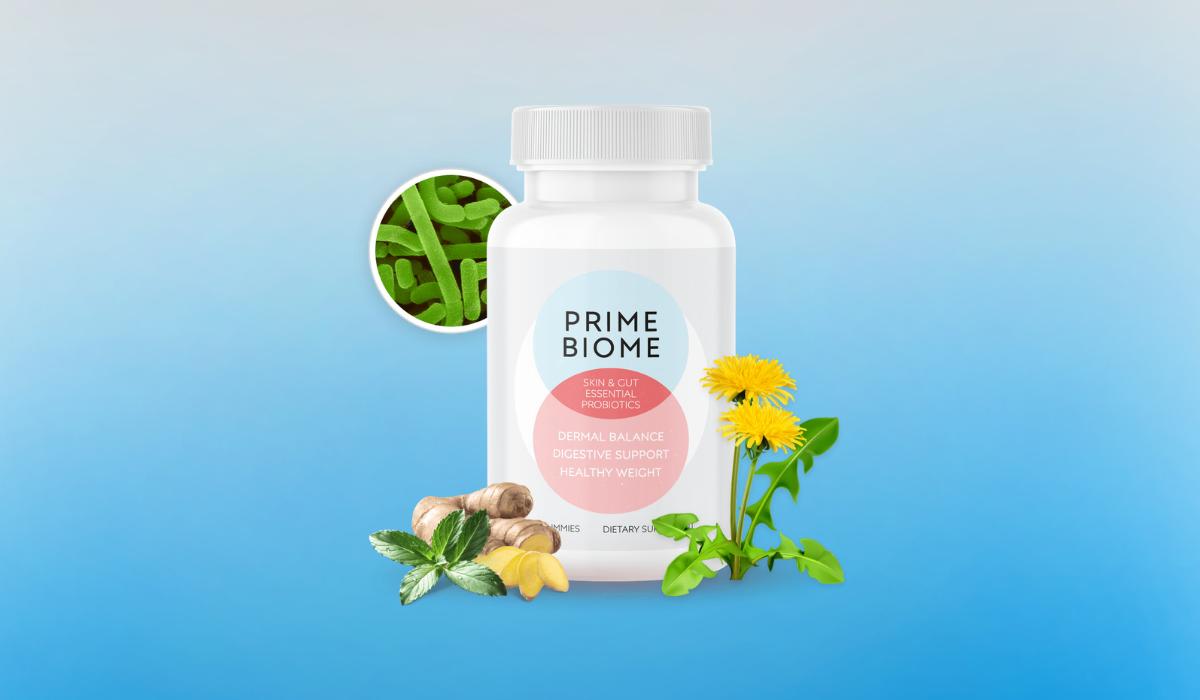
Prime Biome is a daily dietary supplement that comes in gummy form — which, honestly, was one of the first things I liked about it. No chalky capsules, no weird powder to mix. Each bottle contains 30 gummies, enough for a month of daily use.
The core idea behind Prime Biome is something called the gut-skin axis — a scientifically recognized connection between your digestive system and the health of your skin. The theory is simple but powerful: when your gut microbiome is out of balance, it shows up on your face, in your energy levels, and in how your body processes food. Prime Biome claims to address this from the inside out using a blend of probiotics, prebiotics, and plant-based ingredients.
It’s manufactured in the United States in an FDA-registered, GMP-certified facility, which at least tells me someone cares about quality control. It’s also non-GMO and free from common allergens — something I always check given how sensitive my stomach can be.
Prime Biome Ingredients: What’s Actually Inside?
This is where I spent the most time researching before I even placed my order. A supplement is only as good as what’s in it, and I wasn’t going to spend money on something without understanding the label.
Bacillus Coagulans
This is the star of the formula. Unlike most probiotic strains that die before they even reach your gut, Bacillus coagulans is a spore-forming strain — meaning it’s tough enough to survive stomach acid and actually colonize where it matters. It’s been studied for reducing bloating, improving digestion, and supporting immune function. For me personally, this ingredient alone made the product worth investigating.
Inulin (Prebiotic Fiber)
Probiotics need food to thrive. Inulin is a natural prebiotic fiber that feeds the beneficial bacteria in your gut. Without a prebiotic working alongside the probiotic, you’re basically sending soldiers in without supplies. Including inulin shows the formula was designed with some real thought behind it.
Babchi
Babchi seeds have been used in traditional medicine for centuries, particularly for skin health. They’re known to support collagen production, reduce pigmentation, and maintain skin elasticity. In modern skincare research, babchi-derived compounds have gained attention as natural alternatives for improving skin tone.
Dandelion Root
Not just a garden weed — dandelion root is a solid anti-inflammatory and antioxidant ingredient. It supports liver detoxification, which plays a real role in how your skin looks. When your body isn’t clearing toxins efficiently, it often shows up as breakouts or dullness. Dandelion also supports healthy digestion and helps with regularity.
Fennel and Fenugreek
Both of these have long histories in digestive health. Fennel helps calm the gut, reduce gas, and ease cramping. Fenugreek goes a step further — it’s been studied for its role in balancing gut microbiota, improving metabolic function, and reducing skin inflammation. The combination of these two in a single formula makes a lot of sense for anyone dealing with post-meal discomfort.
Organic Ginger and Slippery Elm Bark
Ginger is one of the most well-researched anti-inflammatory ingredients on the planet. It soothes the digestive tract, reduces nausea, and helps the gut process food more smoothly. Slippery elm bark, on the other hand, forms a gentle coating on the digestive lining — particularly helpful for anyone with a sensitive stomach or irritable digestion.
Lion’s Mane Mushroom
This was a pleasant surprise. Lion’s mane is traditionally associated with brain health and cognitive clarity, but it also has gut-supporting properties. The gut-brain connection is well established in research, so including lion’s mane here makes the formula feel more comprehensive rather than just focusing on digestion alone.
Taken together, these ingredients form a genuinely thoughtful formula. It’s not just a generic probiotic with a fancy label — there’s real intention behind each component.
My Personal Experience: Week by Week
I want to be honest here because I know most reviews skip straight to “it’s amazing, buy it now.” That’s not what you’re getting from me.
Week 1
Nothing dramatic. A little more bloating than usual during the first few days, which I later learned is completely normal when introducing a new probiotic strain. Your gut is adjusting, bacteria are shifting, and the body takes a minute to catch up. I almost stopped taking it here, and I’m glad I didn’t.
Week 2
The bloating settled down and I noticed I was actually going to the bathroom more consistently. That might sound minor but for someone who dealt with irregular digestion for years, it was genuinely noticeable. Energy levels felt steadier through the afternoon — that 3 PM crash wasn’t as brutal as usual.
Week 3 and 4
This is where things got more interesting. My skin started looking less congested around the jawline and forehead — areas that had been breaking out on and off for months. I wasn’t doing anything different with my skincare routine, so the only real variable was Prime Biome. My digestion felt genuinely comfortable in a way it hadn’t in a long time.
Month 2 and Beyond
I’m now four months in. The skin improvements have held. My gut feels more settled after meals. My cravings for sugary snacks — which were honestly out of control — have calmed significantly. I don’t know that I’d call it life-changing, but it’s been a consistent, noticeable improvement that I haven’t gotten from anything else I’ve tried.
What Are Real Users Saying?
I’m not the only one who’s tried this. Browsing through verified customer feedback, the most common things people mention are reduced bloating within the first few weeks, improved skin clarity after about 30 to 60 days, and steadier energy throughout the day. Some users also mention better sleep and reduced food cravings as unexpected bonuses.
That said, not everyone had a great experience. A handful of users reported that it didn’t work for them, and some mentioned the initial digestive adjustment period was uncomfortable enough that they stopped early. A few complaints were also about delivery delays or accidentally ordering from third-party sellers — more on that below.
Overall, the sentiment across verified reviews skews positive, with many calling it one of the more effective gut-skin supplements they’ve tried.
Are There Any Side Effects?
Based on my experience and the general user feedback I’ve come across, Prime Biome is well-tolerated by most people. The most commonly reported side effects are mild and temporary — some digestive adjustment in the first week, occasional bloating, or loose stools as the gut microbiome shifts. These tend to pass within three to seven days.
The formula is free from stimulants, common allergens, GMOs, and artificial fillers — which makes it a cleaner option than a lot of competing supplements. Still, if you’re pregnant, nursing, or managing a chronic health condition, it’s always worth checking with a doctor before adding any new supplement to your routine.
How Long Does It Take to See Results?
This is probably the question I get asked most when I recommend it to people. The honest answer is: it depends on where you’re starting from.
Most people notice some digestive improvement within the first two weeks. Skin improvements tend to take longer — closer to four to six weeks of consistent daily use. This makes sense biologically. Skin cell turnover takes time, and the gut-skin axis doesn’t flip overnight. If you’re going in expecting miracles by day three, you’ll be disappointed. If you’re patient and consistent, the results tend to build in a way that actually sticks.
The manufacturers recommend using Prime Biome for at least 90 to 180 days for the best long-term results — which, while it sounds like a lot, aligns with how the microbiome actually works.
Prime Biome Pros and Cons
What I Liked
- Gummy format makes it genuinely easy to take every day without forgetting
- The ingredient list is transparent and well-researched — not a kitchen sink of random extracts
- No stimulants or harsh detox effects
- Manufactured in an FDA-registered, GMP-certified facility in the USA
- Comes with a money-back guarantee, which reduces the financial risk of trying it
- Results, while gradual, have been consistent and measurable for me personally
What I Didn’t Love
- It takes patience — if you want quick fixes, this isn’t for you
- Only available through the official website, which can be inconvenient
- The initial adjustment period in week one was mildly uncomfortable
- It’s not a budget supplement, especially if you commit to a multi-month supply
Where to Buy Prime Biome Safely
This is important: Prime Biome is not sold on Amazon, eBay, Walmart, or any physical retail store. It’s exclusively available through the official website. If you find it listed on those platforms, what you’re getting is either a counterfeit, an expired product, or something that was improperly stored. I’ve seen this come up in a few complaints online, and it’s always traced back to unauthorized sellers.
Buy only from the official source. It also comes with a legitimate money-back guarantee, which gives you a proper window to test it without financial pressure. Multi-bottle bundles typically offer better value if you’re planning to commit to a full trial period.
Who Is Prime Biome Best Suited For?
Based on everything I’ve experienced and researched, Prime Biome is likely to be most helpful for:
- Adults dealing with chronic bloating, irregular digestion, or post-meal discomfort
- People whose skin has been breaking out, looking dull, or aging faster than expected
- Anyone who’s tried basic probiotics and found them underwhelming
- People in their 30s, 40s, and beyond who want to support both gut and skin health simultaneously
- Those who prefer a natural, food-based approach to wellness over pharmaceutical options
It’s probably not the right fit for anyone looking for instant results or those dealing with serious gastrointestinal conditions that require medical supervision.
Final Verdict: Is Prime Biome Worth It?
After four months of personal use, quite a bit of research, and honest reflection — yes, I think Prime Biome is worth trying if you’re dealing with the issues it’s designed for.
It’s not magic. It’s not going to undo years of poor habits in a week. But it’s one of the more genuinely formulated supplements I’ve come across in the gut health space, and the dual focus on both digestion and skin health makes it stand out from the dozen other probiotics I’ve tried and abandoned.
The ingredient transparency, the manufacturing standards, and the money-back guarantee all signal that the company behind it has some confidence in the product. And for me personally — the steady skin improvements and the dramatic improvement in digestive comfort have made it a supplement I haven’t stopped taking.
If you’re on the fence, the money-back policy makes it a relatively low-risk experiment. Give it a genuine 60-day try before you judge it. That’s exactly how long it took before I noticed the full picture of what it was doing.
Note: This review reflects my personal experience and independent research. Individual results will vary. This article is not a substitute for professional medical advice. Always consult your healthcare provider before starting any new supplement.