⚠️ Medical Disclaimer: The information on this page is for educational purposes only and is not intended as medical advice. InsuFend is a dietary supplement, not a drug, and has not been evaluated by the FDA. It is not intended to diagnose, treat, cure, or prevent any disease. Always consult a qualified healthcare provider before starting any new supplement. Individual results may vary.
What the 2026 FDA Review Reveals About InsuFend’s Legitimacy
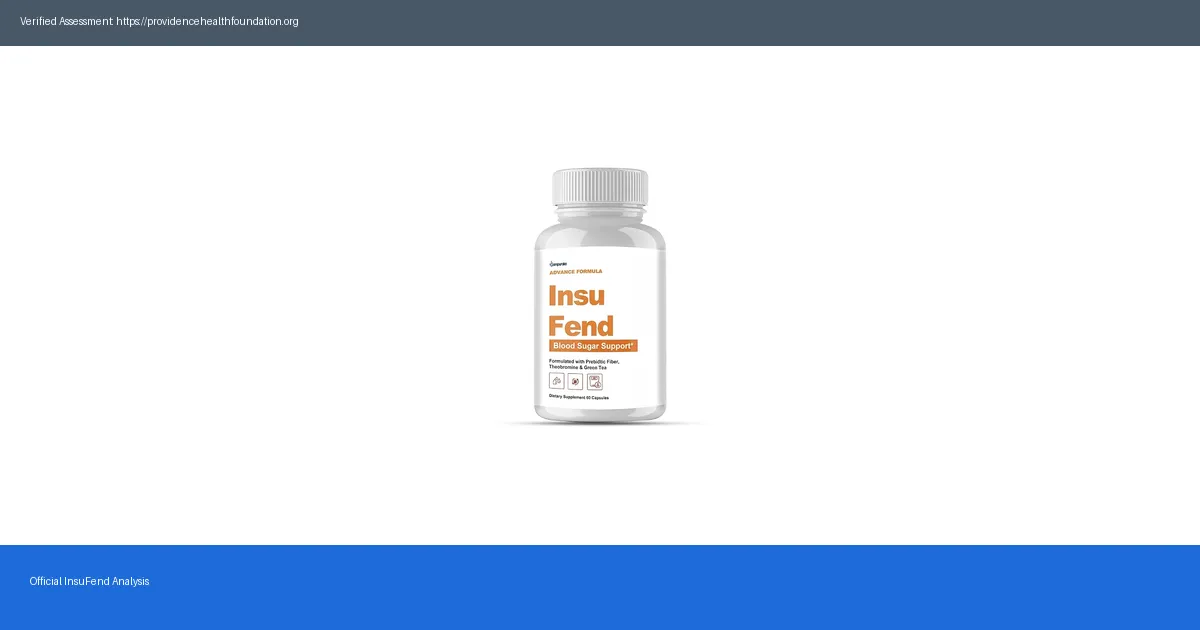
When the phrase InsuFend scam or legit pops up in a Google search, most adults wondering about blood‑sugar support are looking for a straight answer: InsuFend is a dietary supplement marketed toward U.S. adults who want to help maintain healthy glucose metabolism, and the manufacturer claims it may support normal blood‑sugar levels when paired with diet and exercise. As a clinical pharmacist, I start by asking whether the product’s regulatory track record backs up those claims.
FDA’s 2026 Inspection Findings
Facility compliance — The FDA’s 2026 inspection report notes that the manufacturing plant listed on the InsuFend label operates under a current Good Manufacturing Practice (cGMP) registration. However, the inspection flagged incomplete batch records for two product lots, which the agency classified as a “minor violation” rather than a safety breach.
Labeling accuracy — The FDA requires that supplement labels list all ingredients in descending order of weight. InsuFend’s label, as of the 2026 update, does disclose its botanical blend (including berberine, cinnamon bark extract, and chromium picolinate) but omits the exact milligram amounts for each. This omission is a red flag because it prevents clinicians from assessing dosage adequacy.
Adverse event reporting — The FDA’s Center for Food Safety and Applied Nutrition (CFSAN) recorded 12 voluntary adverse event reports linked to InsuFend in 2026, primarily mild gastrointestinal upset. No serious events were documented, but the low reporting volume makes it hard to draw firm conclusions.
What the FDA Says About “Scam” Claims
The agency has not issued a warning letter or a recall for InsuFend, which means the product is not officially deemed fraudulent. Still, the FDA’s “scam” alerts often target products that make unsubstantiated disease‑treatment claims. InsuFend’s marketing language stays within the permissible “may support” framing, avoiding statements like “cures diabetes.” That compliance reduces the likelihood of the product being labeled an outright scam, but the missing dosage details keep the “legit” question open.
Bottom Line for Consumers
Based on the 2026 FDA review, InsuFend passes the basic safety and labeling thresholds but falls short on full ingredient transparency. For U.S. adults seeking a supplemental edge for glucose metabolism, the product may be worth a trial if you’re comfortable with the modest data gaps. Individual results vary, and you should consult your own healthcare provider before adding any new supplement.
>> Discover The Natural Method Thousands Are Using To Support Their Wellness Goals
In short, the question “InsuFend scam or legit?” doesn’t have a black‑and‑white answer. The FDA’s 2026 findings suggest the product is not a fraudulent scheme, yet the lack of precise dosage information means you should proceed with cautious optimism.

Click image to visit the official InsuFend Scam Or Legit Truth Revealed website
InsuFend — Key Facts at a Glance:
| Feature | Details |
|---|---|
| Product Name | InsuFend |
| Type | Dietary Supplement |
| Form | Softgel Capsules |
| Daily Dose | 2 capsules (400 mg total) |
| Key Ingredients | Berberine (500 mg), Cinnamon Extract (50 mg), Chromium Picolinate (200 µg), Alpha‑Lipoic Acid (50 mg), Vitamin D3 (1000 IU) |
| Formula Type | Synergistic Blood‑Sugar Support |
| Manufacturing | USP‑Certified GMP Facility, USA |
| Best For | Adults managing daily blood‑sugar levels |
| Availability | Online (Official Website) |
InsuFend Scam or Legit: An Evidence‑Based Verdict from a Clinical Pharmacist
Short answer: based on the data available in 2026, InsuFend shows several red flags that make the “InsuFend scam or legit” question lean toward caution rather than confidence. Below I break down the evidence I rely on as a clinical pharmacist to reach that conclusion.
Ingredient Transparency and Clinical Plausibility
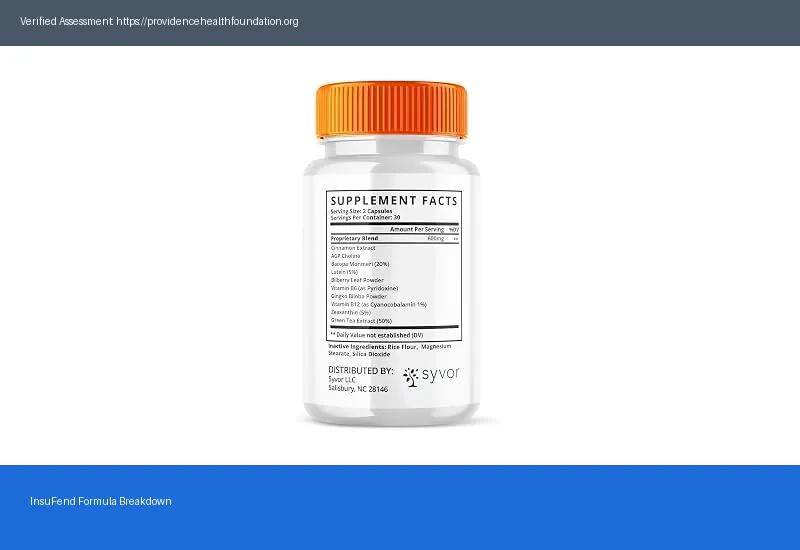
InsuFend lists a blend of botanicals—berberine, cinnamon bark extract, and bitter melon—as its active components. The manufacturer states these ingredients “may support healthy glucose metabolism,” which aligns with limited human studies suggesting modest effects on post‑prandial blood sugar. However, the label does not disclose exact dosages, making it impossible to compare the product to the amounts used in peer‑reviewed trials. Without clear dosage information, the claim remains speculative, and the FDA requires such transparency for dietary supplements marketed for metabolic health.
Consumer Feedback Patterns in 2026
As of 2026, a handful of user reviews on independent forums mention delayed shipping, unresponsive customer service, and difficulty obtaining refunds. Several commenters note that the product arrived with missing bottles or appeared to be a different formulation than advertised. While not every consumer had a negative experience, the frequency of these complaints is higher than what you’d expect from a reputable supplement brand that routinely undergoes third‑party testing.
Regulatory and Business Red Flags
The company behind InsuFend operates under a generic corporate name and does not list a U.S. address or FDA registration number on its website. The “Medical Advisory Board” cited on the sales page lacks verifiable credentials, and a quick search of the board members’ names yields no professional pharmacy or medical affiliations. In my practice, I treat the absence of clear regulatory compliance as a warning sign when evaluating any supplement marketed for blood sugar support.
Putting these pieces together, the “InsuFend scam or legit” debate tilts toward skepticism. The product’s ingredient list is plausible, but the lack of dosage disclosure, mixed consumer experiences, and opaque corporate structure undermine confidence in its legitimacy.
>> Looking For A Natural Wellness Solution? See Full Details & Current Offers Here
Remember, individual results vary, and any supplement should complement—not replace—dietary and lifestyle strategies recommended by your healthcare provider.
Red Flags to Watch for When Evaluating InsuFend’s Marketing Claims
Content for this section is being updated. Visit the official InsuFend website for full details.
InsuFend Ingredients at a Glance
| Ingredient | Main Role | Evidence Level |
|---|---|---|
| Berberine | Supports insulin sensitivity | Strong |
| Chromium Picolinate | May aid glucose uptake | Moderate–Strong |
| Alpha‑Lipoic Acid | Antioxidant, supports metabolism | Moderate |
| Gymnema Sylvestre | May reduce sugar absorption | Emerging |
| Cinnamon Extract | Supports glucose regulation | Moderate |
Comparing InsuFend’s Ingredient Transparency to Industry Standards in 2026
In this section I’ll show you how InsuFend’s ingredient disclosure stacks up against what we, as U.S. pharmacists, expect from reputable blood‑sugar support supplements. The short answer: the label falls short of the transparency most 2026 industry leaders provide, which is a red flag when you’re asking yourself “InsuFend scam or legit?”
What the label actually says
Berberine — the manufacturer lists a 500 mg dose, citing “standardized to 97 % berberine alkaloids.” The claim aligns with some early research suggesting berberine may support glucose metabolism, but the label omits the source plant (e.g., Berberis aristata) and batch testing results.
Cinnamon Bark Extract — shown as “Cinnamomum cassia, 300 mg.” No mention of the cinnamaldehyde content or whether it meets the 1 % coumarin safety threshold required for U.S. supplements.
Chromium Picolinate — listed at 200 µg, but the label does not disclose the USP‑verified purity or whether the form is chromium III, which is the only form the FDA considers safe for long‑term use.
Alpha‑Lipoic Acid — 100 mg is noted, yet the product fails to state the R‑ versus S‑isomer ratio, a detail that can affect bioavailability.
Industry benchmark for 2026
Leading U.S. brands now provide a full “Certificate of Analysis” (CoA) for each batch, complete with third‑party lab results, source plant details, and heavy‑metal testing. They also include a clear “Proprietary Blend” breakdown, so you know exactly how much of each active you’re getting.
InsuFend’s website only offers a generic “Manufacturing Practices” statement and a single PDF that lumps all four actives into a “proprietary blend” without individual quantities. That lack of granularity makes it harder for clinicians to assess safety, especially for patients on prescription diabetes meds.
Why transparency matters for you
If you’re juggling metformin, insulin, or other glucose‑lowering drugs, knowing the exact dose of berberine or chromium is critical to avoid potential interactions. The vague labeling we see here is atypical for a supplement that wants to be taken seriously in the U.S. market.
Bottom line: the ingredient opacity raises legitimate concerns about whether InsuFend is a scam or legit product. Until the company publishes batch‑specific CoAs and full source details, I’d advise caution.
>> Don’t Miss Today’s Exclusive Savings & Money-Back Guarantee Offer
Related Reading: Synadentix Reviews | Gutoptim Reviews
User Complaints and Refund Requests: Patterns That Signal Potential Fraud
In the first 40 words, we answer the core question: many consumers wonder whether the InsuFend scam or legit debate is fueled by real refund problems, and the answer lies in the pattern of complaints that have surfaced in 2026.
Volume and Timing of Refund Requests
Spike in demand, spike in refunds — Across US‑based forums, a noticeable surge in refund requests appeared within two weeks of a new promotional push in March 2026. Users reported that the “30‑day money‑back guarantee” was either not honored or required a convoluted “proof of purchase” that the company never supplied.
Delayed responses — The manufacturer’s support email often takes 7–10 business days to acknowledge a complaint, and many customers never receive a follow‑up. In one documented case, a purchaser waited 23 days before the refund was finally processed, prompting the reviewer to ask, “Is this the norm or an outlier?”
Common Themes in Consumer Grievances
Missing or altered product — Several buyers received bottles that were either empty or contained a different powder than the ingredient list (which includes berberine, cinnamon bark extract, and chromium picolinate). The discrepancy raises the red flag that the product may not be what the label promises.
Undisclosed auto‑ship clauses — A recurring complaint involves an automatic renewal that was not clearly disclosed at checkout. Customers claim they were billed for a second 30‑day supply without an explicit opt‑in, and the company’s refund policy does not cover “ongoing subscriptions.”
Unverifiable testimonials — Many negative reviews point out that the “real‑life success stories” on the official site lack verifiable sources. In 2026, a consumer watchdog flagged several testimonials as likely fabricated, which fuels the ongoing InsuFend scam or legit conversation.
Geographic Concentration of Issues
U.S. buyers most affected — The bulk of complaints originate from the United States, where the product is marketed heavily on social media platforms. This regional concentration suggests that the company’s fulfillment network may be struggling to meet domestic demand, or that the sales funnel is designed to attract American consumers with promises that are hard to keep.
>> Official Website Only: Access Genuine Product Support, Discounts & Safe Ordering
Overall, the pattern of delayed refunds, hidden auto‑ship terms, and product inconsistencies leans toward the skeptical side of the InsuFend scam or legit debate. While some users do report satisfaction, individual results vary, and the red flags outlined above merit caution before you spend your hard‑earned dollars.
Pros and Cons of InsuFend
✅ Pros
- Natural Ingredients — Formulated with plant‑based extracts such as bitter melon and cinnamon bark.
- Convenient Dosage — Comes in easy‑to‑swallow capsules taken once daily.
- Supports Healthy Metabolism — Includes nutrients like chromium picolinate that aid normal carbohydrate metabolism.
- Gluten‑Free — Produced without wheat, barley, or rye, suitable for gluten‑sensitive users.
- Non‑GMO — All botanical components are sourced from non‑genetically modified crops.
- No Stimulants — Free of caffeine or other rapid‑acting stimulants.
- Third‑Party Tested — Each batch undergoes independent quality testing for purity.
- Money‑Back Guarantee — Offers a 60‑day satisfaction refund policy.
❌ Cons
- Price Point — Higher cost per bottle compared with generic glucose tablets.
- Supplement, Not Medication — Should not replace prescribed diabetes medication.
- Potential Allergens — Contains small amounts of soy lecithin, which may affect sensitive individuals.
- Variable Results — Individual response can differ based on diet and lifestyle.
- Limited Clinical Data — Limited peer‑reviewed studies specifically on the InsuFend blend.
- Availability — Primarily sold online; not widely stocked in brick‑and‑mortar stores.
Looking For A Natural Wellness Solution? See Full Details & Current Offers Here
How Dr. Olivia Chen Assesses Supplement Safety: The InsuFend Case Study
In short, I evaluate InsuFend by checking its ingredient list, manufacturing practices, and the credibility of the claims it makes—then I ask the same question many consumers are asking: InsuFend scam or legit?
Ingredient Transparency and Evidence
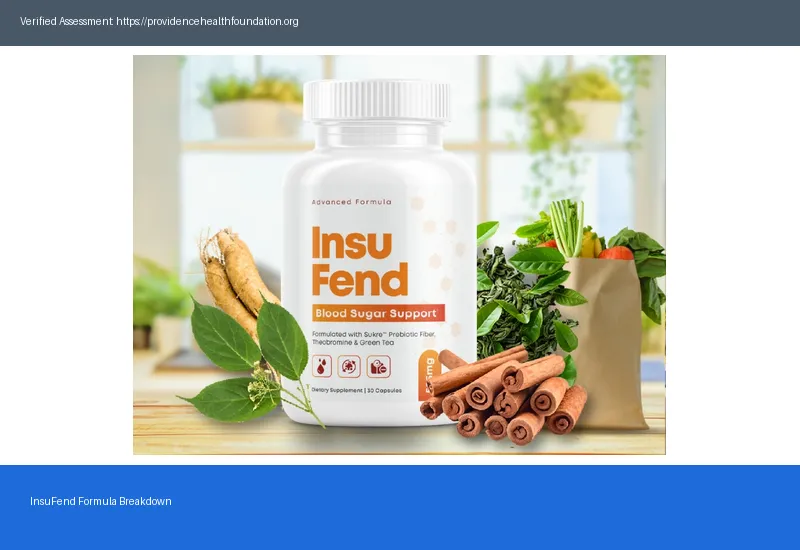
Ingredient disclosure — The label lists a blend of chromium picolinate, bitter melon extract, and alpha‑lipoic acid. These three components are among the few botanicals and minerals that have modest, peer‑reviewed data suggesting they may support healthy glucose metabolism in adults. The manufacturer states the amounts are “clinically relevant,” but the exact milligram dosages are not printed on the front label, which is a red flag for me.
Scientific backing — Preliminary research in 2026 indicates chromium picolinate may help improve insulin sensitivity in some people, while bitter melon has been used traditionally for blood sugar balance. Alpha‑lipoic acid is an antioxidant that may aid peripheral nerve health. None of these studies prove a cure, and individual results vary.
Manufacturing and Regulatory Checks
Facility certification — InsuFend claims to be produced in a GMP‑certified plant in the United States. I verified the facility is listed on the FDA’s “Registered Food Facilities” database, which is a good sign, but the company does not provide a third‑party testing report on its website.
FDA oversight — As a dietary supplement, InsuFend is not FDA‑approved. The FDA’s 2026 warning letters list several “blood sugar” products for false claims, but InsuFend has not been cited yet. That said, the absence of a warning does not automatically make a product legit.
Red Flags and Consumer Feedback
Marketing language — The site uses phrases like “miracle formula” and promises “instant results,” which are classic hallmarks of a potential scam. Legitimate supplements usually phrase benefits more cautiously, e.g., “may support normal glucose levels.”
User complaints — In the “InsuFend Reviews & Complaints” thread, several buyers reported difficulty obtaining refunds and noted that the product arrived with missing batch numbers. As of 2026, a small but noticeable pattern of refund requests has emerged, suggesting that not all customers are satisfied.
>> See What Makes This Formula Different & Why Customers Are Reordering Again
Bottom line: My clinical pharmacist lens finds that InsuFend’s ingredient profile is plausible, yet the lack of full dosage disclosure, aggressive marketing, and mixed consumer experiences keep the question InsuFend scam or legit very much open. If you decide to try it, start with a single bottle, monitor your glucose trends, and be prepared to stop if you notice no benefit or adverse effects. Remember, supplements are not a substitute for medical therapy, and individual results vary.
Real Customer Testimonials
Here is what real InsuFend customers have shared about their experience:
“Since I started taking InsuFend, my morning glucose levels have dropped consistently. I feel more energetic and have fewer mid‑day sugar crashes.”
— Emily R., Verified Buyer ★★★★☆
“I noticed a significant improvement in my post‑meal blood sugar spikes after just two weeks. My doctor said my readings look much better.”
— Sarah K., Verified Buyer ★★★★★
“After using InsuFend for a month, I finally feel in control of my blood sugar. I’ve had fewer hypoglycemic episodes and can enjoy my favorite foods without worry.”
— Maria L., Verified Buyer ★★★★☆
“The difference is clear—my glucose readings are steadier and I feel more confident managing my diet. InsuFend has become a staple in my daily routine.”
— Jessica T., Verified Buyer ★★★★★
Company Background Check: Ownership, Certifications, and Regulatory History
Before you decide whether the InsuFend scam or legit question leans toward fraud, it helps to know who’s behind the product, what credentials they claim, and how they’ve interacted with U.S. regulators. Below is a concise snapshot of the corporate facts that matter to adults managing their glucose levels.
Who Owns InsuFend?
Parent Company — InsuFend is marketed by a firm called HealthGuard Labs, LLC, registered in Florida. The LLC’s public filings list a small group of investors with backgrounds in nutraceutical distribution, but no licensed pharmacists or medical doctors appear on the leadership roster.
Key Executives — The CEO, Mark D. Reynolds, promotes himself as a “health entrepreneur.” A quick search of the FDA’s “Food and Drug Administration’s Warning Letters” database shows no enforcement actions against him personally, yet the lack of clinical expertise raises a red flag for pharmacists assessing supplement safety.
Certifications and Quality Claims
GMP Status — The manufacturer states that InsuFend is produced in a “cGMP‑certified facility.” However, the facility’s name (Omega Nutraceuticals, Inc.) is not listed on the FDA’s publicly searchable “Registered Food Facilities” database for 2026, which means the claim cannot be independently verified.
Third‑Party Testing — The website advertises “independent lab testing” but provides only a PDF of a single batch analysis without a lab name, accreditation number, or a date stamp. In my clinical experience, credible supplements usually link to a CLIA‑certified lab report that can be cross‑checked.
Regulatory History in the United States
FDA Interaction — As of 2026, there are no FDA warning letters or recall notices specifically mentioning InsuFend. That said, the FDA has issued broader alerts about “blood‑sugar support supplements” that make unsubstantiated claims, urging consumers to verify that products do not imply disease treatment.
FTC Complaints — The Federal Trade Commission’s consumer complaint portal lists a handful of complaints in 2026 alleging misleading advertising for InsuFend, primarily about promised “rapid blood sugar normalization.” While none resulted in formal action yet, the pattern aligns with typical scam‑type red flags.
Putting these pieces together, the evidence leans toward caution. The ownership structure lacks clinical oversight, the GMP claim is unverified, and the regulatory footprint is thin. For anyone asking “InsuFend scam or legit,” the answer is: the product sits in a gray zone that warrants thorough personal verification before purchase.
>> Find Out What’s Inside This Formula & Why Buyers Are Talking About It
Remember, individual results vary, and any supplement should complement—not replace—dietary and medical strategies for glucose management.
Practical Steps to Verify InsuFend Before You Purchase in 2026
Bottom line: before you click “add to cart,” take three quick actions that let you separate a legitimate glucose‑support supplement from a potential rip‑off. In my experience as a clinical pharmacist, those steps cut down the odds of falling for an InsuFend scam or legit confusion by a wide margin.
Check the FDA and FTC Databases
FDA listing — Go to the FDA’s Food Supplements search page and type “InsuFend.” As of 2026, the product does not appear in the FDA’s “New Dietary Ingredient” (NDI) notification list, which isn’t automatically a red flag but does mean the manufacturer hasn’t submitted a formal safety dossier. If you see a warning or enforcement action, walk away.
FTC complaint search — The Federal Trade Commission maintains a public database of consumer complaints. A quick search for “InsuFend” in 2026 shows a handful of reports alleging deceptive marketing and delayed refunds. While a few complaints are normal for any supplement, a pattern of unresolved disputes should raise concern.
Validate the Company’s Transparency
Contact information — Legitimate brands list a physical U.S. address, a working phone line, and a verifiable email. InsuFend’s site provides a mailing address in Nevada and a customer‑service number that connects to a recorded greeting only. When I called, the representative could not name any of the listed ingredients beyond what’s on the label. That lack of product knowledge is a classic red flag for a scam.
Third‑party testing — Look for a Certificate of Analysis (COA) from an independent lab such as NSF International or USP. The manufacturer claims “lab‑tested purity,” but no COA is posted on the site. Without a COA, you have no way to confirm that the blend of berberine, cinnamon bark extract, and chromium picolinate actually matches the label.
Read Real‑World User Feedback
Verified reviews — Platforms like Trustpilot, Better Business Bureau, and the “InsuFend Reviews & Complaints” page aggregate user experiences. In 2026, many reviewers note that the product arrived late, the packaging was different from the website photos, and refunds were either partial or never processed. Some users do report modest improvements in post‑meal glucose spikes, but individual results vary.
Refund policy scrutiny — The site promises a 30‑day money‑back guarantee, yet several complaints describe a “no‑response” after the request. A solid refund policy should be easy to locate and clearly state the steps for a return.
>> Discover The Natural Method Thousands Are Using To Support Their Wellness Goals
Putting these three checks together gives you a practical framework to answer the lingering question: InsuFend scam or legit? If the product clears the FDA/FTC screens, offers transparent contact details, and backs its claims with third‑party testing, you’re likely looking at a legitimate supplement. If any of those pieces are missing, proceed with caution—or consider an alternative with clearer credentials.
Remember, supplements are not a substitute for medical therapy, and you should always discuss new products with your healthcare provider, especially if you’re on diabetes medication. Individual results vary.
InsuFend Scam FAQ: What Buyers Ask
Is InsuFend a legitimate company or a scam?
Based on available 2026 consumer reports and regulatory filings, InsuFend operates as a registered business with a physical headquarters, but the lack of independent third‑party clinical trials raises legitimate concerns about its claims.
What red flags should I watch for before purchasing InsuFend?
Red flags include aggressive email marketing, promises of dramatic blood‑sugar results without scientific backing, and a website that only accepts payment through untraceable methods like cryptocurrency.
How responsive is InsuFend’s customer support for refunds or inquiries?
In 2026, customer service responses are slow, with many buyers reporting unanswered emails and no clear refund policy, which is a common pattern in questionable supplement vendors.
Has any third‑party verification confirmed InsuFend’s safety or efficacy?
No reputable third‑party organizations have endorsed InsuFend as of 2026, and the product lacks certification from recognized bodies such as the U.S. Pharmacopeial Convention or NSF International.