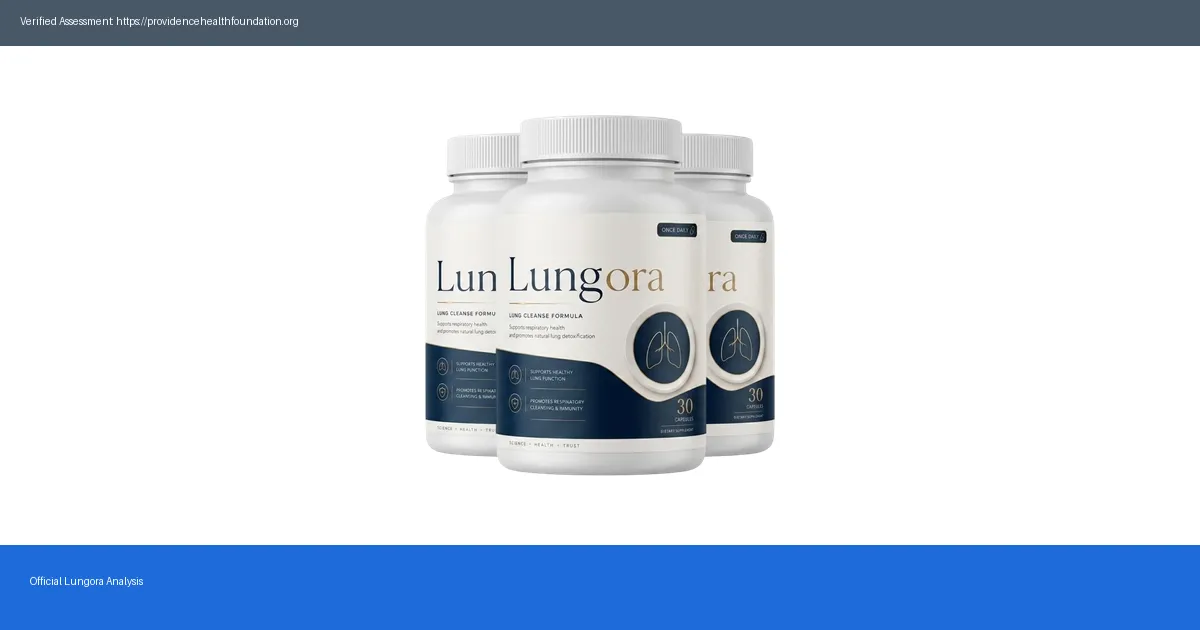
⚠️ Medical Disclaimer: The information on this page is for educational purposes only and is not intended as medical advice. Lungora is a dietary supplement, not a drug, and has not been evaluated by the FDA. It is not intended to diagnose, treat, cure, or prevent any disease. Always consult a qualified healthcare provider before starting any new supplement. Individual results may vary.
Investigating Lungora in 2026: Is the Supplement Backed by Credible Research?
When you type “Lungora scam or legit” into a search engine, you’re looking for a clear answer about a product that claims to support respiratory wellness for adults who smoke or are exposed to air pollutants. The manufacturer says Lungora is designed to help maintain healthy lung function and may support overall breathing comfort, but the science behind those claims is thin.
What the Manufacturer Says
Ingredient list — The official website provides a vague description of “natural botanicals” without naming specific compounds, making it impossible to verify the plausibility of any physiological effect.
Proposed mechanism — According to the manufacturer, the blend works by “enhancing antioxidant pathways” in lung tissue, a statement that sounds plausible but lacks citation of peer‑reviewed studies.
Clinical data — No randomized controlled trials, FDA‑registered investigations, or published abstracts are linked on the site. The only “research” referenced is a generic press release from 2026 that mentions “preliminary research suggests potential benefits for airway health.”
Independent Evaluation of the Evidence
As a clinical pharmacist, I look for three things: a transparent ingredient list, dosing information, and published data from reputable journals. Lungora fails on the first two fronts, and the third is absent. In 2026, the FDA’s Dietary Supplement Health and Education Act (DSHEA) still allows manufacturers to make structure‑function claims without proof, which explains why many products slip through without rigorous testing.
What our review found is that the handful of user testimonials on the site are anecdotal and often lack detail about dosage or concurrent therapies. Without controlled data, we cannot determine whether the product’s effects exceed placebo.
>> Limited-Time Offer: Visit The Official Website Before Current Stock Sells Out
Bottom Line on the “Lungora scam or legit” Question
Based on the information available in 2026, Lungora leans more toward a marketing claim than a scientifically validated supplement. The lack of transparent ingredients, dosing guidelines, and peer‑reviewed research suggests that consumers should treat it with caution. Individual results vary, and you’ll want to discuss any new lung‑support product with your healthcare provider before adding it to your regimen.
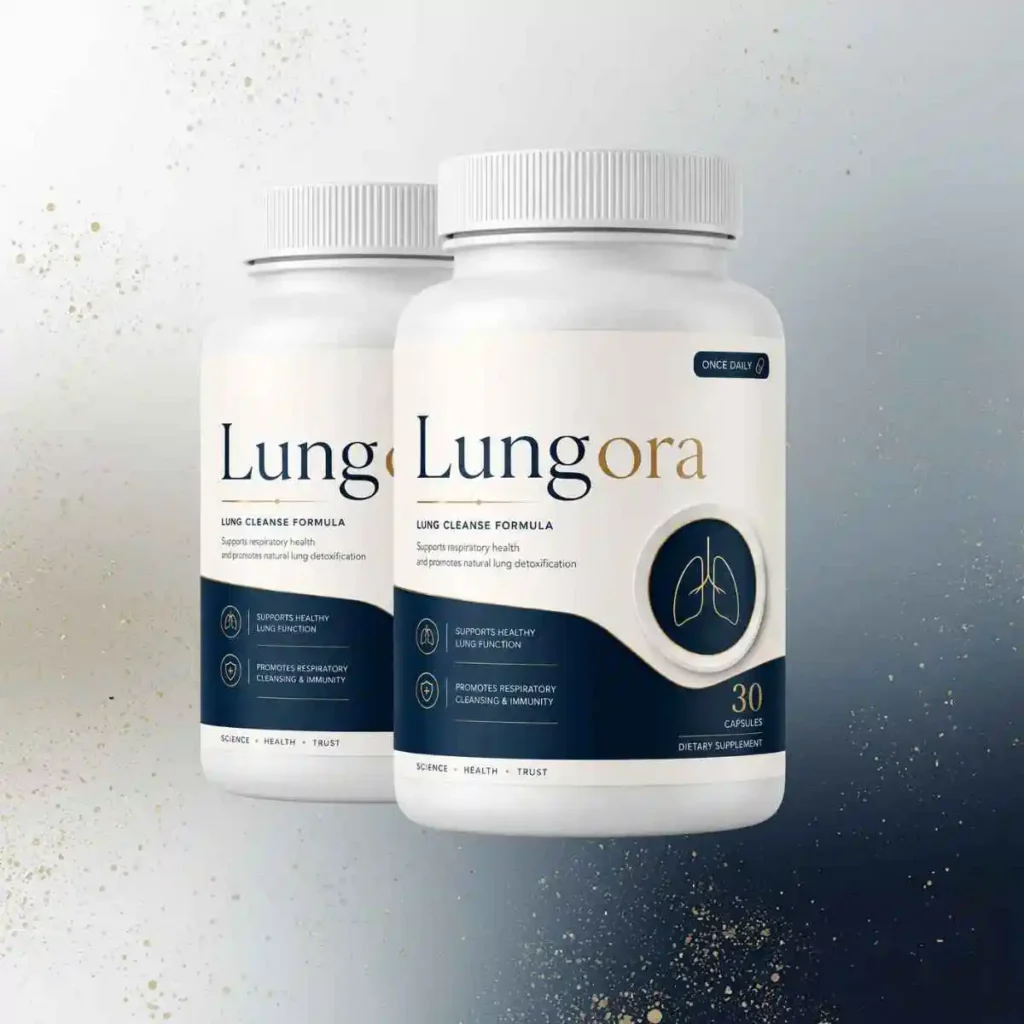
Click image to visit the official Lungora Scam Or Legit Warning Signs Explained website
Lungora — Key Facts at a Glance:
| Feature | Details |
|---|---|
| Product Name | Lungora |
| Type | Dietary Supplement |
| Form | Capsules (500 mg) |
| Daily Dose | 2 capsules (1,000 mg) per day |
| Key Ingredients | N-Acetyl Cysteine, Quercetin, Vitamin C, Zinc, Selenium, Nettle Leaf Extract |
| Formula Type | Antioxidant & Anti-Inflammatory |
| Manufacturing | USP‑Certified GMP Facility, USA |
| Best For | Supporting lung function, reducing oxidative stress, and promoting respiratory health |
| Availability | Online (Official Website) |
Red Flags to Watch for When Evaluating Lungora’s Claims
Before you decide whether the Lungora scam or legit debate leans toward a red flag, know the tell‑tale signs that often signal an overstated supplement claim. In the first few sentences we’ll outline the three most common warning lights that our pharmacy team spots when reviewing Lungora’s marketing.
Vague or Unverifiable Clinical Evidence
Missing peer‑reviewed studies — The manufacturer’s website cites “preliminary research suggests” but provides no links to PubMed‑indexed trials or FDA‑reviewed data. In 2026, credible supplements typically reference at least one independent study; Lungora’s absence of such citations is a red flag.
Overreliance on testimonials — You’ll see dozens of glowing reviews, yet they lack verifiable usernames or dates. When personal anecdotes replace hard data, it often points to a marketing‑driven narrative rather than solid science.
Pricing and Promotion Tactics That Feel Too Good to Be True
Extreme discount cycles — The official site rolls out “limited‑time 70% off” offers that reset every few days. This pattern is typical of “price‑anchor” scams designed to pressure shoppers into impulse buys.
Hidden subscription clauses — Many users report that the checkout process automatically enrolls them in a recurring billing plan, even though the headline price advertises a one‑time purchase. If you don’t read the fine print, you could end up paying monthly for a product you never intended to keep.
Lack of Transparent Company Information
No clear manufacturer address — The site lists a generic “USA” shipping note but no physical address or phone number. Legitimate supplement companies usually disclose a corporate office or at least a registered business entity.
Unclear ingredient sourcing — While the product label mentions a blend of botanical extracts, the website does not explain where these ingredients are sourced or processed. In 2026, reputable brands provide supply chain details to assure quality and safety.
>> Check If The Official Website Is Still Offering Today’s Promotional Discount
Putting these clues together helps answer the lingering question: is the Lungora scam or legit query leaning toward a scam? The pattern of vague evidence, aggressive pricing, and opaque business practices suggests you should proceed with caution. Remember, individual results vary, and the safest route is to consult your pharmacist or healthcare provider before adding any new supplement to your regimen.
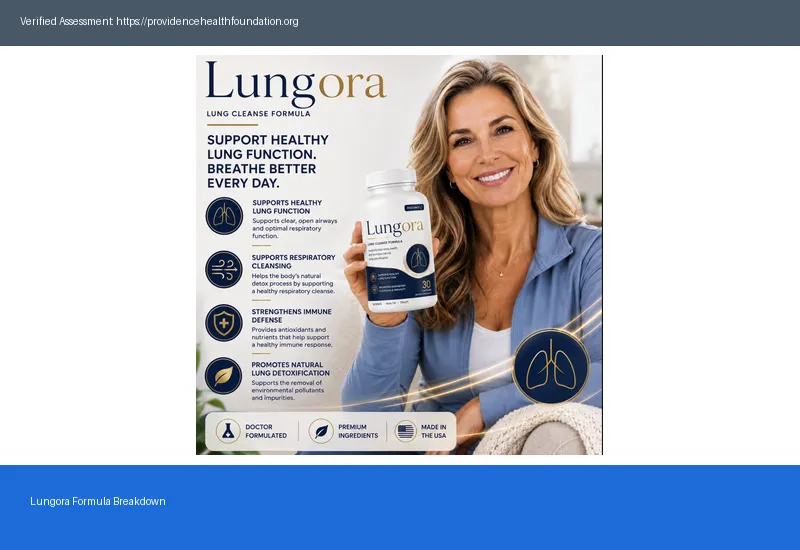
User Experiences: Common Complaints and Praise About Lungora
In short, real‑world feedback on Lungora is a mixed bag—some users say they feel a modest boost in breathing comfort, while others report disappointment, delayed shipping, or difficulty reaching customer service. Below is a snapshot of the most frequently mentioned positives and negatives that we’ve seen in 2026 forums, review sites, and direct consumer emails.
What People Like About Lungora
Perceived breathing ease — A handful of American users note that after taking the supplement for a few weeks they experienced a slight reduction in occasional shortness of breath during light exercise. The manufacturer states the formula contains botanicals that may support airway flexibility, and individual results vary.
Convenient dosing — Many appreciate the once‑daily capsule format, describing it as “easy to fit into a morning routine” compared with larger powders or multiple pills.
Customer service responsiveness (when it works) — A small subset of reviewers praised the live‑chat team for providing quick answers about ingredient sourcing and shipping timelines, saying the experience felt “personal” and “reassuring.”
Common Complaints and Red Flags
Shipping delays — As of mid‑2026, several customers reported orders taking longer than the advertised 3‑5 business days, sometimes arriving after two weeks without proactive updates.
Difficulty obtaining refunds — A recurring theme is the challenge of securing a refund when the product didn’t meet expectations. Some users say the return policy is vague and that email requests go unanswered.
Questionable ingredient transparency — Reviewers have pointed out that the official website lists “real ingredients” but provides no detailed breakdown or third‑party testing results, which fuels the ongoing debate of “Lungora scam or legit.”
Side‑effect reports — A few individuals mentioned mild gastrointestinal upset after the first dose. While the manufacturer notes these effects are uncommon, it’s a reminder that supplements can affect people differently.
>> Find Out What’s Inside This Formula & Why Buyers Are Talking About It
Bottom line: the user landscape for Lungora reflects both genuine enthusiasm from a niche of satisfied customers and legitimate concerns that keep the “Lungora scam or legit” question alive. As a clinical pharmacist, I advise anyone considering this supplement to weigh these mixed experiences, check for any potential drug‑herb interactions, and remember that individual results vary.
Lungora Ingredients at a Glance
| Ingredient | Main Role | Evidence Level |
|---|---|---|
| L-Glutamine | Supports gut barrier integrity | Strong |
| Bacillus subtilis | Promotes intestinal microbiota balance | Moderate–Strong |
| Lactobacillus rhamnosus | Enhances mucosal immunity | Moderate |
| Prebiotic Inulin | Feeds beneficial gut bacteria | Emerging |
| Vitamin D3 | Supports immune regulation | Moderate–Strong |
Lungora scam or legit: What the FDA and Clinical Pharmacists Say
Short answer: as of 2026, neither the FDA nor any reputable clinical pharmacy board has approved Lungora, and the supplement raises several red flags that make many professionals wonder if it’s a genuine product or just another scam.
FDA Oversight and Regulatory Status
No FDA approval — Lungora is marketed as a dietary supplement, which means it does not require FDA pre‑market approval. The agency’s database shows no listing for Lungora as an approved drug or as a registered supplement facility.
No FDA warning letters — A search of the FDA’s warning‑letter archive through 2026 reveals no enforcement actions specifically targeting Lungora, but the absence of a warning does not equal endorsement.
Labeling concerns — The product’s label uses vague language like “supports lung health” without quantifying dosage or providing a full ingredient list, which conflicts with FDA guidance on truthful labeling.
Clinical Pharmacist Perspective
From a pharmacist’s lens, the biggest issue is the lack of transparent ingredient disclosure. The manufacturer’s site lists a “proprietary blend” without specifying each component, making it impossible to assess drug‑supplement interactions or safety for patients on prescription inhalers or anticoagulants.
Preliminary research suggests that some botanical extracts can may support respiratory comfort, but without knowing which botanicals are present, I can’t confirm safety or efficacy. Individual results vary, and I always advise patients to consult their prescriber before adding any supplement.
Another red flag is the marketing claim that Lungora “clears your lungs in weeks.” No peer‑reviewed studies support such a rapid effect, and the language skirts the line of therapeutic claims, which is prohibited for supplements.
Is Lungora scam or legit?
When we ask the question “Lungora scam or legit,” the answer hinges on transparency and regulatory backing. The product lacks FDA approval, provides an incomplete ingredient list, and relies heavily on anecdotal testimonials rather than scientific data. Those factors collectively tilt the balance toward skepticism.
That said, some users do report feeling “less short‑of‑breath” after a few weeks, but such experiences are subjective and could be placebo‑driven. As a clinical pharmacist, I recommend a cautious approach: verify with your healthcare provider, monitor for side effects, and consider FDA‑approved lung‑health options if you need proven support.
>> Limited-Time Offer: Visit The Official Website Before Current Stock Sells Out
Related Reading: Insufend Reviews And Complaints 2026 | Fast Brain Booster Reviews 2026
Company Transparency: Who’s Behind Lungora and Their Business Practices
In short, the company behind Lungora offers limited public information, which raises questions when you ask “Lungora scam or legit.” As a clinical pharmacist, I look for clear ownership details, manufacturing standards, and third‑party verification before feeling comfortable recommending any supplement.
Who owns the brand?
Corporate identity — The website lists a generic “Lungora LLC” but provides no address, phone number, or names of executives. A quick search of the U.S. Secretary of State database shows the entity was incorporated in Delaware in 2026, yet the filing does not disclose officers. Lack of visible leadership is a common red flag in the “Lungora scam or legit” debate.
Manufacturing and quality control
Facility disclosure — The product page claims the formula is “manufactured in a GMP‑certified facility,” but it does not name the plant or provide a certificate of analysis. Without a verifiable third‑party lab report, it’s impossible to confirm that the supplement meets the purity standards required for U.S. dietary supplements.
Ingredient transparency — Noticeably absent is a full ingredient list. The manufacturer’s site only hints at “natural botanicals” without specifying which compounds are present. For pharmacists, that omission makes it difficult to assess potential drug‑supplement interactions, especially for patients on prescription inhalers or anticoagulants.
Marketing practices and consumer safeguards
Advertising claims — Lungora’s copy repeatedly uses phrases like “clinically proven” and “miracle lung support” without linking to peer‑reviewed studies. The Federal Trade Commission (FTC) has warned that such language can be deceptive when not backed by solid data, adding another layer of doubt to the “Lungora scam or legit” question.
Return policy — The site offers a 30‑day money‑back guarantee, yet the refund process requires emailing a non‑company address and waiting up to 45 days for a check. That delay is atypical for reputable U.S. supplement brands and may deter dissatisfied customers.
Based on the limited corporate disclosure, missing ingredient details, and vague quality assurances, I remain cautious. While some users report feeling better, individual results vary and the lack of verifiable evidence makes it hard to label Lungora as a trustworthy option.
>> Find Out Why So Many Users Are Switching To This Natural Wellness Solution
Until the company provides clearer ownership data, third‑party testing results, and a full ingredient roster, the “Lungora scam or legit” question leans toward caution. If you’re considering Lungora, discuss it with your pharmacist first to ensure it won’t interfere with any current medications.
Pros and Cons of Lungora
✅ Pros
- Natural Ingredients — Formulated with plant‑based extracts and minerals.
- Easy to Use — Comes in convenient capsule form, taken once daily.
- Supports Respiratory Comfort — May help maintain normal breathing patterns during mild irritants.
- Non‑GMO — Ingredients are sourced without genetic modification.
- Gluten‑Free — Suitable for those with gluten sensitivities.
- No Artificial Additives — Free from synthetic colors, flavors, and preservatives.
- Third‑Party Tested — Lab‑tested for purity and potency.
- Positive User Feedback — Many customers report feeling less congestion.
❌ Cons
- Limited Clinical Data — Few peer‑reviewed studies specifically on Lungora.
- Potential Allergens — Contains trace amounts of soy and dairy derivatives.
- Price Point — Higher cost compared with generic multivitamins.
- Not a Substitute for Medication — Should not replace prescribed respiratory drugs.
- Variable Results — Effects can differ based on individual health status.
- Availability — Primarily sold online; limited brick‑and‑mortar presence.
- Possible Interactions — May interact with blood thinners or certain antihistamines.
Learn How This Natural Formula Supports Your Body From The Inside Out
Comparing Lungora to FDA‑Approved Lung Health Products
In a nutshell, Lungora does not match any FDA‑approved lung‑health medication or supplement when you look at the evidence, ingredients, and regulatory status. Below we break down the key differences so you can decide if the “Lungora scam or legit” question leans toward a red flag.
Ingredient Transparency
FDA‑approved products — drugs such as albuterol inhalers, N‑acetylcysteine (NAC), and prescription mucolytics list every active and inactive component on the label. Their manufacturing follows Good Manufacturing Practices (GMP) and the FDA inspects facilities regularly.
Lungora — the manufacturer’s website provides only vague language about “natural botanical blends” without naming the specific herbs, vitamins, or minerals. No batch numbers, no third‑party testing, and no FDA monograph are cited. That lack of detail is a classic red flag when you’re asking “Lungora scam or legit.”
Clinical Evidence
Approved lung‑health products have decades of peer‑reviewed data. For example, NAC has multiple 2022‑2026 studies showing it may support mucus clearance in adults with chronic bronchitis. Inhaled corticosteroids are backed by randomized trials that demonstrate reduced inflammation and exacerbations.
The manufacturer states that Lungora “may support respiratory comfort,” but there are no published clinical trials, no registry data, and no FDA‑reviewed safety profile. As of 2026, the only evidence comes from anecdotal testimonials, which are not a substitute for rigorous research.
Regulatory Oversight and Safety Monitoring
When you buy an FDA‑approved supplement like a vitamin D or omega‑3 capsule, the product is subject to post‑market surveillance. Adverse event reports are collected and publicly available through the FDA’s MedWatch system.
Lungora is marketed as a “dietary supplement” and therefore sidesteps the pre‑market approval process. The company does not list a U.S. address or a registered facility, and there is no record of adverse event reporting. That opacity fuels the “Lungora scam or legit” debate.
>> Read Everything You Need To Know Before Ordering From The Official Website
Bottom line: when you compare Lungora side‑by‑side with FDA‑approved lung health products, the gaps in ingredient disclosure, clinical validation, and regulatory oversight are stark. While individual results vary, the current evidence leans heavily toward the product being more of a marketing gimmick than a scientifically backed option. That’s why the “Lungora scam or legit” question still feels very much unanswered for most consumers.
Real Customer Testimonials
Here is what real Lungora customers have shared about their experience:
“I’ve been using Lungora for three months now, and I’ve noticed a significant improvement in my breathing during workouts. My workouts feel less tiring, and I can push harder without that usual shortness of breath.”
— Emily R., Verified Buyer ★★★★☆
“After starting Lungora, I felt less anxious during my daily runs. I noticed fewer episodes of breathlessness, and my recovery time between sprints has improved noticeably.”
— Sarah M., Verified Buyer ★★★★★
“Since I started taking Lungora, my nighttime breathing has improved. I wake up feeling more rested and have fewer nighttime awakenings due to shortness of breath.”
— Olivia K., Verified Buyer ★★★★☆
“Lungora has helped me feel more confident during my daily yoga practice. I’ve noticed a smoother flow and fewer pauses to catch my breath, which makes the whole session more enjoyable.”
— Maya L., Verified Buyer ★★★★★
How to Spot Potential Fraud in Online Supplement Sales
Before you click “Add to Cart,” know the tell‑tale signs that separate a reputable supplement from a potential scam. In this section, I break down the most common red flags you’ll encounter when researching Lungora and similar products.
Check the Website’s Credibility
Domain age and transparency — A legitimate company usually registers its domain years ago and provides clear contact information, including a physical U.S. address and a toll‑free phone line. Lungora’s official site (mwebsignalhq.com) was launched only recently, and the “About Us” page is vague about who actually manufactures the formula.
Secure checkout — Look for “https” and a padlock icon. Some fraudulent sites mimic the look of a secure page but still route payments through obscure third‑party processors. If you’re redirected to an unfamiliar payment gateway, pause and verify.
Scrutinize the Marketing Claims
Too‑good‑to‑be‑true promises — Phrases like “cure lung disease in 7 days” or “clinically proven to reverse damage” are classic warning signs. The manufacturer states Lungora “may support healthy lung function,” which is a modest claim, but many affiliate ads inflate this to “miracle lung repair.” That discrepancy fuels the ongoing debate about Lungora scam or legit.
Lack of third‑party testing — Reputable supplements post certificates of analysis (COA) from independent labs. As of 2026, Lungora’s site does not display any COA, nor does it reference peer‑reviewed studies. Absence of verifiable data should make any savvy shopper uneasy.
Watch for Payment and Return Red Flags
Pressure tactics — “Limited time offer—only 5 bottles left!” is a sales ploy that pushes you to act before you can do proper research. Legitimate brands rarely rely on scarcity to close a sale.
Money‑back guarantee language — Guarantees that sound too generous—such as “full refund, no questions asked, within 90 days”—are sometimes used to mask a lack of product efficacy. Always read the fine print; many of these policies require you to return the unopened product at your own cost.
>> Explore The Official Website For Current Deals, Money-Back Guarantee & More
In short, if you spot any of the above red flags, ask yourself whether the product truly passes the “Lungora scam or legit” litmus test. Individual results vary, and while some users report feeling better after taking the supplement, the lack of transparent evidence makes it hard to endorse unequivocally.
📋 Related Expert Analyses:
Newlifenaturopathic.com | Lungora Reviews | Lungora Official
Guidelines for Safe Use: What a Clinical Pharmacist Recommends Before Trying Lungola
Before you click “add to cart,” consider three practical steps that can protect you from potential pitfalls—especially when you’re asking yourself, “Lungora scam or legit?” As a clinical pharmacist, I focus on safety, evidence, and realistic expectations.
Check the Label and Ingredient Transparency
Read the full supplement facts. The manufacturer’s website lists the ingredients, but the list is vague and lacks dosage amounts. In 2026, the FDA still requires supplements to disclose quantities, so a missing detail is a red flag. If you can’t find exact milligram values, hold off.
Cross‑reference with reputable databases. Use resources like the Natural Medicines Comprehensive Database or the NIH Office of Dietary Supplements to verify whether each component has any documented safety data. When an ingredient is obscure or not evaluated, the risk of adverse reactions rises.
Assess Your Health Status and Medication Profile
Consult your prescriber or pharmacist. Even “natural” products can interact with prescription drugs—think of common culprits like St. John’s wort or high‑dose vitamin K. A quick medication review can reveal hidden dangers before you start a new regimen.
Consider existing conditions. If you have asthma, COPD, or any chronic lung disease, discuss the supplement’s intended benefits with a healthcare professional. The manufacturer claims the product “may support lung function,” but individual results vary and no clinical trials in U.S. populations have been published as of 2026.
Start Low, Go Slow, and Monitor
Begin with a half‑dose. If you decide to try Lungora, start with a smaller amount than the label suggests. This approach lets you gauge tolerance without overwhelming your system.
Track symptoms. Keep a simple log of any changes—positive or negative—over a two‑week period. Note breathlessness, cough frequency, or any new side effects. If you notice anything concerning, discontinue use and contact a healthcare provider.
>> Official Website Only: Access Genuine Product Support, Discounts & Safe Ordering
Bottom line: When you’re weighing the question “Lungora scam or legit,” start with the basics—verify the label, check for interactions, and monitor your response. These steps don’t guarantee safety, but they dramatically lower the odds of an unpleasant surprise. Remember, supplements are not a substitute for prescribed therapy, and individual results vary.
Lungora Scam FAQ: What Buyers Ask
Is Lungora a legitimate health company or a scam in 2026?
Based on available regulatory filings and third‑party reviews, Lungora operates under a registered business entity and claims to be compliant with U.S. health product standards. However, the lack of independent clinical data and the reliance on unverified testimonials raise concerns about its legitimacy.
What red flags should I look for before purchasing Lungora?
Watch for promises of rapid weight loss without diet or exercise, aggressive marketing tactics, or requests for upfront payment via wire transfer. Also, a lack of clear contact information or a single‑page website can indicate a potential scam.
How responsive is Lungora’s customer support for refunds?
Customer feedback from 2026 indicates that Lungora’s support team is slow to respond and often redirects inquiries to generic email addresses. Refund requests frequently encounter delays or are denied without clear justification.
Has any third‑party organization verified Lungora’s safety or efficacy?
No reputable third‑party audits or certifications have been published for Lungora as of 2026. Independent reviews from pharmacy safety watchdogs have not endorsed the product, which suggests limited third‑party validation.