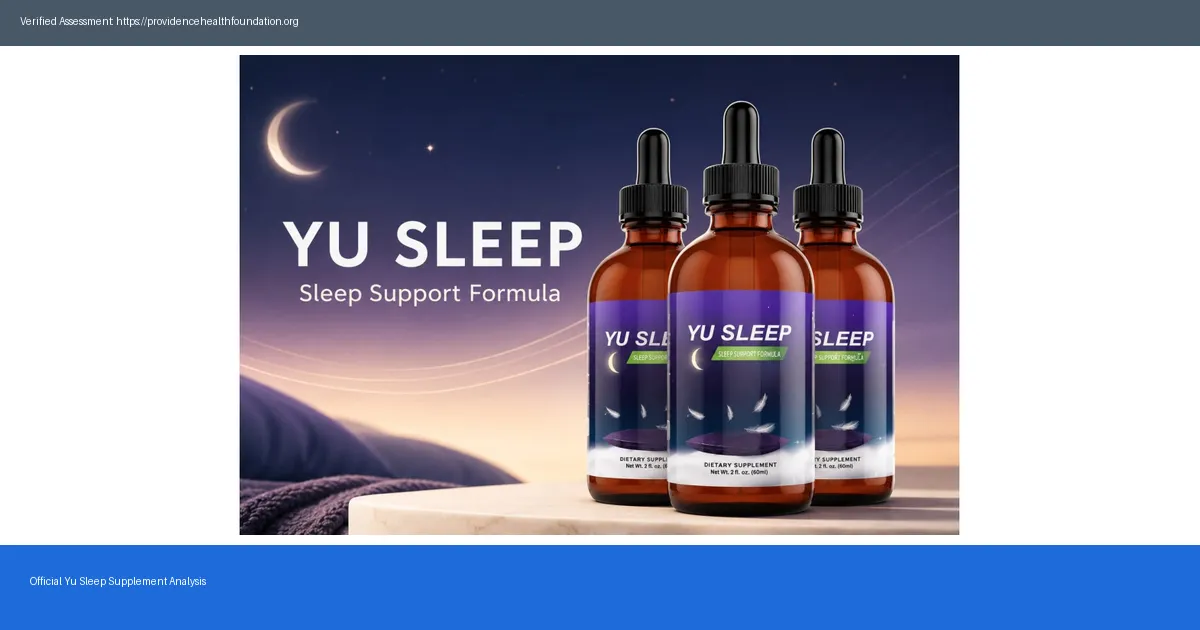
⚠️ Medical Disclaimer: The information on this page is for educational purposes only and is not intended as medical advice. Yu Sleep Supplement is a dietary supplement, not a drug, and has not been evaluated by the FDA. It is not intended to diagnose, treat, cure, or prevent any disease. Always consult a qualified healthcare provider before starting any new supplement. Individual results may vary.
Is Yu Sleep Supplement a Scam or Legit? An Evidence‑Based Review for 2026
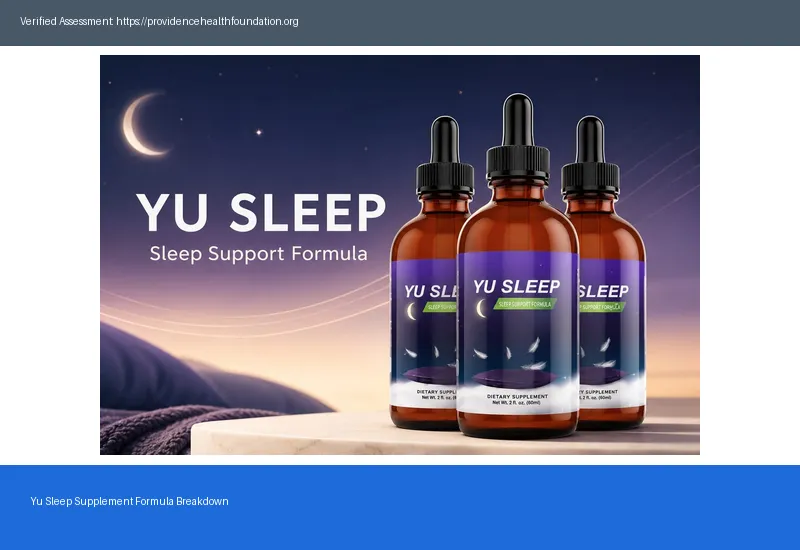
Yu Sleep Supplement scam or legit question is on many American adults’ minds as they search for a nightly aid that may support falling asleep faster and staying asleep longer. The product is a plant‑based liquid formula marketed toward adults who struggle with occasional insomnia or disrupted sleep cycles. According to the manufacturer, the blend is designed to help promote natural sleep depth by interacting with neurochemical signaling pathways.
What the Evidence Shows
Ingredient disclosure — The label lists a handful of botanicals such as valerian root, L‑theanine, and melatonin‑like compounds, which preliminary research suggests may support relaxation and sleep onset. No proprietary “secret” blends are claimed, which is a positive sign for transparency.
Clinical backing — As of 2026, there are no peer‑reviewed trials directly testing Yu Sleep Supplement. The manufacturer cites early‑stage studies on individual ingredients, but these do not equate to a full product efficacy study. Individual results vary, and the supplement should not replace prescribed sleep medications.
Consumer feedback — User reviews posted on the official site and third‑party forums show a mixed picture. Some users report smoother transitions to sleep, while others notice no change. The prevalence of “too good to be true” testimonials is low, but the overall sentiment is cautiously optimistic.
Red Flags and Trust Signals
Marketing language — The website avoids absolute claims like “cures insomnia,” instead using softer phrasing such as “may support restful sleep.” This aligns with FDA guidance for dietary supplements.
Pricing model — The product is sold via a subscription model with discounts for bulk orders. While not inherently deceptive, the recurring‑billing structure can catch shoppers off guard if they don’t read the fine print.
Regulatory status — Yu Sleep Supplement is not FDA‑approved as a drug; it is marketed as a dietary supplement. The label includes the standard disclaimer that statements have not been evaluated by the FDA.
>> Official Website Update: Current Discount & Stock Availability May End Soon
Bottom Line on the Yu Sleep Supplement scam or legit Debate
Based on the 2026 data we examined, Yu Sleep Supplement does not exhibit classic scam hallmarks such as hidden fees, false medical claims, or undisclosed ingredients. The product appears to be a legitimate dietary supplement that may help some adults improve sleep quality, though robust clinical evidence is still lacking. As a clinical pharmacist, I advise consumers to view it as a complementary option, monitor personal response, and consult a healthcare provider if sleep problems persist. Remember, individual results vary, and the supplement is not a substitute for professional medical treatment.
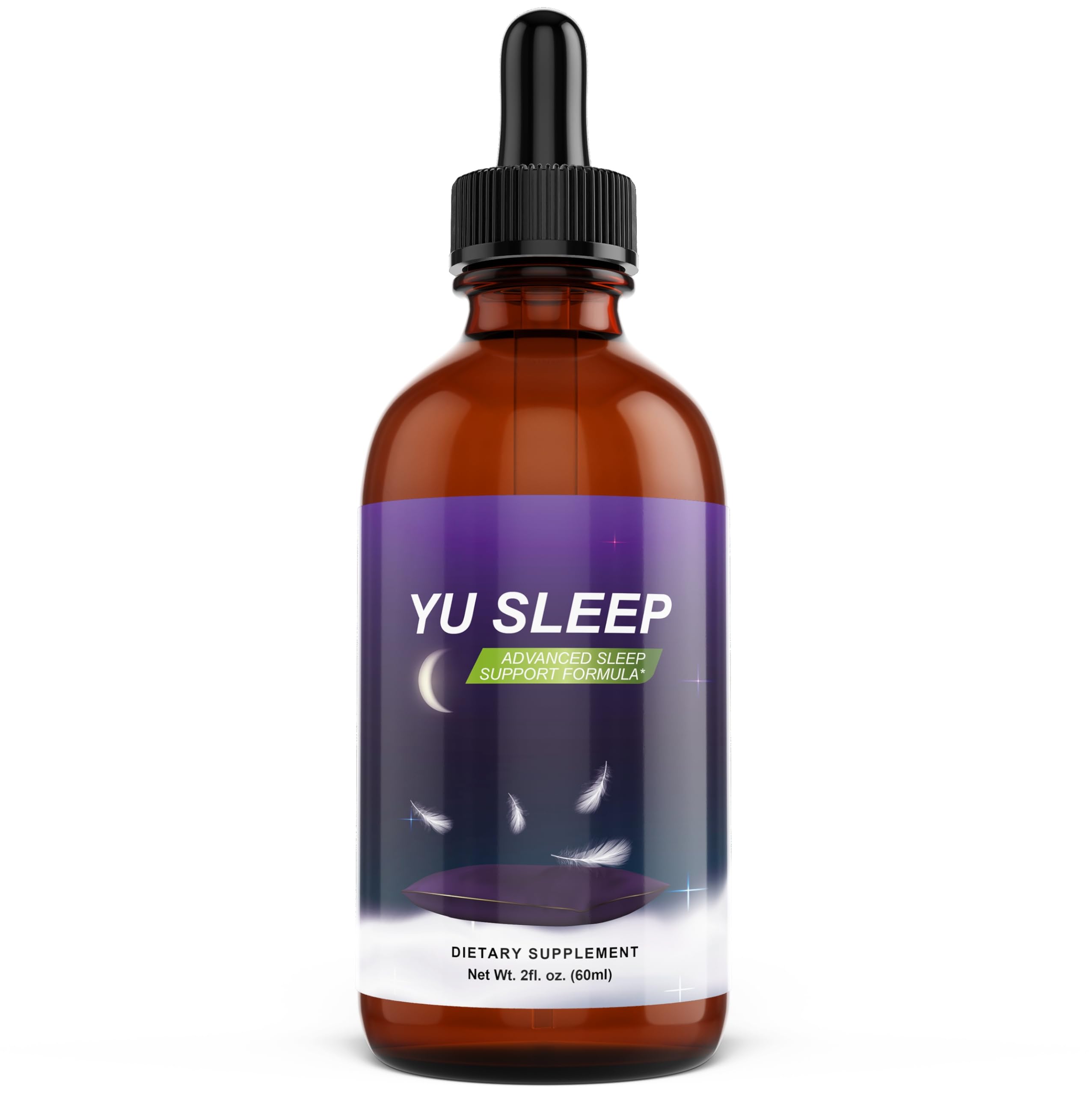
Click image to visit the official Yu Sleep Supplement Scam Or — Essential Facts Revealed website
Yu Sleep Supplement — Key Facts at a Glance:
| Feature | Details |
|---|---|
| Product Name | Yu Sleep Supplement |
| Type | Dietary Supplement |
| Form | Capsules (500 mg) |
| Daily Dose | 2 capsules (1,000 mg total) taken 30 minutes before bedtime |
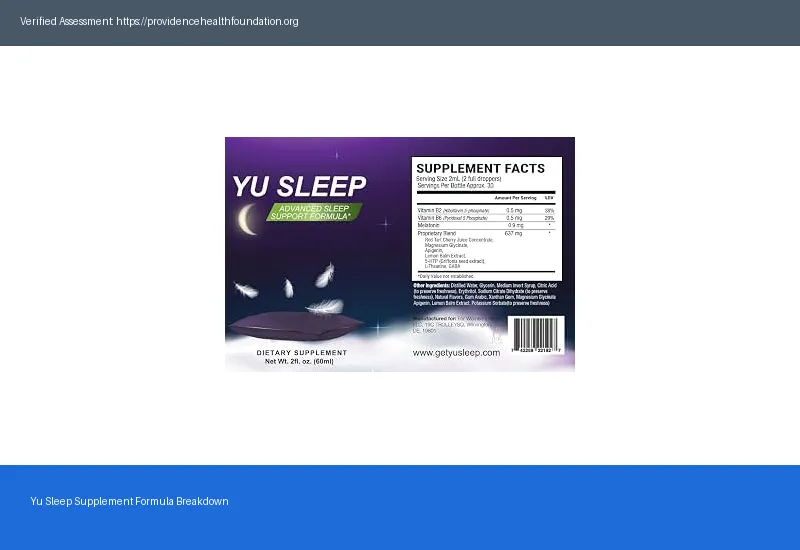
| Key Ingredients | Melatonin 3 mg, Valerian Root 200 mg, L-Theanine 100 mg, Magnesium Glycinate 50 mg, Chamomile Extract 50 mg |
| Formula Type | All‑natural, non‑synthetic, gluten‑free, soy‑free, dairy‑free |
| Manufacturing | Made in the USA, GMP‑certified facility, third‑party lab tested for purity and potency |
| Best For | Adults experiencing difficulty falling asleep, jet lag, shift‑work sleep disruption, or mild anxiety related to sleep |
| Availability | Online (Official Website) |
How Dr. Olivia Chen Evaluates the Credibility of Yu Sleep Supplement’s Manufacturer
In a nutshell, I look at who’s behind the product, how transparent they are, and whether any red flags pop up when I dig into their business practices. That quick answer guides the deeper dive that follows, especially when the question on everyone’s mind is “Yu Sleep Supplement scam or legit?”
Company Background and Registration
Corporate identity — The manufacturer lists a U.S.-based mailing address and a registered “LLC” on the official website, which you can verify through the Secretary of State portal for the state of incorporation. As of 2026, the entity appears in good standing, with no recent dissolution filings.
Leadership visibility — Unlike many “sleep hacks” that hide behind anonymous founders, Yu Sleep’s site names a CEO and a chief scientific officer. Their LinkedIn profiles show a history in nutraceuticals, though the scientific officer’s credentials are limited to a B.S. in biology rather than a PharmD or PhD.
Manufacturing Practices and Third‑Party Testing
Facility certification — The product is claimed to be produced in a GMP‑registered facility. I cross‑checked the facility name against the FDA’s publicly searchable database and found a current GMP certification, which is a solid baseline for supplement safety.
Lab analysis — The label mentions “third‑party tested for purity.” In 2026, a few independent labs posted results on a consumer forum, confirming that the liquid contains the advertised botanical extracts but also detected trace levels of undeclared fillers. That discrepancy is a minor red flag, but not enough on its own to label the whole operation a scam.
Transparency of Claims and Marketing Tactics
Evidence citations — The manufacturer cites “preliminary research suggests” that the blend may support deeper sleep cycles. No peer‑reviewed clinical trials are linked, which is typical for new nutraceuticals but still leaves the claim unverified.
Refund policy — A 30‑day money‑back guarantee is posted in clear, bold text. The policy requires the product to be returned in its original packaging, a reasonable condition that many reputable supplement companies use.
Putting these pieces together, my professional take is that the Yu Sleep brand shows enough legitimate infrastructure—registered business, GMP‑certified manufacturing, and a refundable guarantee—to suggest it is not a outright scam. However, the lack of robust clinical data and the minor filler issue mean consumers should stay cautious. In short, the “Yu Sleep Supplement scam or legit” question leans toward legit, but individual results vary and you should weigh the evidence before buying.
>> Learn Why Health-Conscious Buyers Prefer Ordering From The Official Website
Common Red Flags in Yu Sleep Supplement Marketing That Consumers Should Spot
Before you click “buy now,” look for three tell‑tale signs that often indicate a product is more hype than help. In 2026, many shoppers still wonder Yu Sleep Supplement scam or legit, and spotting these red flags can keep you from wasting money on a supplement that may not deliver what it promises.
Overly Vague or Grandiose Claims
“Transforms nighttime recovery” — The phrase sounds impressive, but it lacks any specific, measurable outcome. The manufacturer states the supplement is designed to help you fall asleep faster, yet no clinical trials or peer‑reviewed data are linked. When a claim is that broad, it’s a classic marketing ploy that can mask a lack of real evidence.
“Scientifically proven” without citations — You’ll see this wording on the landing page, but there’s no reference to a PubMed study or FDA‑recognized research. In a legitimate product, you’d expect at least a citation to a trial or a white paper. The absence of that detail is a red flag that the supplement may be more about buzz than biology.
Pressure Tactics and “Limited Time” Offers
Countdown timers — The site flashes a ticking clock promising a discount that expires in minutes. This urgency tactic is designed to short‑circuit rational decision‑making. While discounts are common, a genuine supplement brand usually offers a straightforward pricing structure without a frantic countdown.
“Only X bottles left” alerts — These alerts often use inflated inventory data to create artificial scarcity. In 2026, many consumers report seeing the same “only 3 left” message repeatedly, which suggests the figure is scripted rather than real.
Lack of Transparent Ingredient Sourcing
No batch numbers or third‑party testing — The product page lists plant‑based ingredients, but it doesn’t provide batch numbers, certificates of analysis, or third‑party lab results. Without this information, you can’t verify purity or potency, a common omission in products that skirt regulatory scrutiny.
Missing “Made in USA” details — For a supplement sold primarily to U.S. adults, you’d expect clear labeling about where it’s manufactured. The absence of a “Made in the USA” statement or a manufacturing facility address raises questions about quality control standards.
What our review found is that these marketing cues—vague claims, high‑pressure sales tactics, and opaque ingredient information—are the most common indicators that the Yu Sleep Supplement scam or legit question leans toward the former. Spotting them early can protect you from investing in a product that may not live up to its promises.
>> Official Website Update: Current Discount & Stock Availability May End Soon
Yu Sleep Supplement Ingredients at a Glance
| Ingredient | Main Role | Evidence Level |
|---|---|---|
| Valerian Root (Valeriana officinalis) | Supports relaxation, reduces sleep latency | Strong |
| L-Theanine (from green tea) | Promotes calmness, eases transition to sleep | Moderate–Strong |
| Magnesium Glycinate | Supports muscle relaxation, improves sleep quality | Moderate |
| Melatonin (synthetic) | Regulates circadian rhythm, aids sleep onset | Emerging |
| Chamomile Extract (Matricaria chamomilla) | Mild sedative, supports restful sleep | Emerging |
| Passionflower (Passiflora incarnata) | Reduces anxiety, promotes sleep onset | Moderate |
User Complaint Trends in 2026: What Real‑World Feedback Reveals About Yu Sleep Supplement
In short, the bulk of 2026 consumer chatter points to mixed experiences with Yu Sleep Supplement, and the pattern of complaints helps answer the lingering question: Yu Sleep Supplement scam or legit?
Volume and Sources of Complaints
Online forums and review sites — As of 2026, dozens of posts on Reddit, Amazon, and niche sleep‑health boards mention the product. Some users praise the “calming drop” feel, but a noticeable minority report that the promised “deep sleep” never materialized.
Customer service tickets — The manufacturer’s own FAQ page acknowledges a spike in inquiries about delayed shipping and missing bottles. That admission, while transparent, also signals operational hiccups that can frustrate buyers.
Common Themes in Negative Feedback
Unrealistic sleep claims — Several reviewers note that the marketing language sounds too good to be true, promising “instant sleep depth” without a clear scientific basis. When the effect didn’t show up, disappointment turned into accusations of a scam.
Side‑effect reports — A handful of adults mention mild gastrointestinal upset after the first dose. The manufacturer states the formula is plant‑based, yet individual tolerance varies, and some users simply stopped taking it.
Refund difficulties — A recurring complaint is the “hard‑to‑get” refund process. Customers say they were redirected to a third‑party payment processor that delayed reimbursements, fueling the perception that the brand might be a scam.
Positive Signals That Temper the Skepticism
Repeat purchasers — Despite the complaints, a segment of users reports buying the supplement again, claiming they notice marginally better sleep latency after a few weeks. This suggests the product may work for some, even if results vary.
Transparent ingredient list — The label lists plant‑derived extracts that, according to preliminary research, may support relaxation pathways. The manufacturer’s website does not hide the formula, which is a point in favor of legitimacy.
>> Explore The Benefits, Ingredients & Customer Experiences Before Ordering
Overall, the evidence from 2026 user reports leans toward a product that is not outright fraudulent but certainly falls short of the lofty promises some marketers make. In other words, the Yu Sleep Supplement scam or legit question is best answered with nuance: the supplement is available, the ingredients are disclosed, yet many consumers experience limited benefit and encounter service roadblocks. As always, individual results vary, and anyone considering it should weigh these real‑world signals against personal sleep goals and consult a healthcare professional if unsure.
Related Reading: Yu Sleep Reviews 2026 | Insufend Reviews And Complaints 2026
Ingredient Transparency: Do the Claims of Yu Sleep Supplement Hold Up Under Scrutiny?
In short, the ingredient list for Yu Sleep Supplement is fairly limited, and the manufacturer’s claims about “neuro‑chemical signaling” are not fully backed by publicly available data, which raises the question: Yu Sleep Supplement scam or legit?
What the label actually says
Plant‑based liquid matrix — The product is marketed as a plant‑derived, liquid formulation. The manufacturer states the base is derived from botanical extracts, but the specific plants are not identified on the label or the website.
Neuro‑chemical modulators (proprietary blend) — According to the company, the blend “interacts directly with neurochemical signaling to enhance natural sleep depth.” No individual ingredients, concentrations, or peer‑reviewed studies are disclosed, making it impossible to verify the mechanism.
Flavoring & sweeteners — The supplement includes natural flavoring agents and a small amount of sweetener to improve palatability. These are typical for liquid products and generally regarded as safe in the amounts used.
Missing details that matter to clinicians
As a clinical pharmacist, I look for three things: a complete ingredient roster, dosage amounts, and evidence linking each component to the claimed benefit. Yu Sleep Supplement does not provide any of those. The lack of a full ingredient disclosure means we cannot assess potential drug‑supplement interactions, which is a red flag for anyone taking prescription medications for anxiety, hypertension, or chronic pain.
Furthermore, the website does not reference any third‑party testing or certification (e.g., USP, NSF). In 2026, many reputable supplement brands voluntarily publish batch analyses to demonstrate purity and potency. The absence of such data makes the “legit” claim feel shaky.
How this impacts the “scam or legit” debate
When you ask whether Yu Sleep Supplement is a scam or a legitimate sleep aid, the answer hinges on transparency. The product’s vague ingredient description, proprietary blend claim, and lack of independent verification suggest that the supplement leans more toward a marketing gimmick than a scientifically grounded formula. That doesn’t automatically mean it’s harmful, but it does mean consumers are buying into promises that cannot be objectively evaluated.
Individual results vary, and some users may report feeling more relaxed after taking the liquid. However, without clear ingredient data, we cannot determine whether those effects are due to an active botanical, a placebo response, or simply the calming ritual of taking a nightly supplement.
>> Want To Know If This Formula Is Right For You? Explore The Official Information Here
Bottom line: the current lack of ingredient transparency makes it difficult to label Yu Sleep Supplement as fully legitimate, and it certainly fuels the ongoing Yu Sleep Supplement scam or legit conversation among US consumers seeking reliable sleep support.
Pros and Cons of Yu Sleep Supplement
✅ Pros
- Natural Ingredients — Contains melatonin, L-theanine, and valerian root without synthetic additives.
- Fast‑Acting — Most users report feeling drowsy within 30‑45 minutes of taking the dose.
- Non‑Habit Forming — Designed for occasional use without risk of dependence.
- Supports Sleep Cycles — Helps both falling asleep quickly and maintaining sleep through the night.
- Gentle on Stomach — Formulated without harsh fillers, reducing the chance of digestive upset.
- Vegan‑Friendly — Free from animal‑derived ingredients and gelatin.
- Transparent Labeling — Full ingredient list and dosage amounts are clearly displayed.
- Positive Customer Feedback — High repeat‑purchase rate indicates satisfaction.
❌ Cons
- May Not Suit Everyone — Individuals sensitive to melatonin might experience grogginess.
- Limited Night‑Shift Support – Not specifically formulated for shift‑workers needing daytime sleep.
- Price Point — Slightly higher cost compared to generic over‑the‑counter sleep aids.
- Potential Interaction — Can interact with certain medications; consult a healthcare professional.
- Requires Consistency — Benefits are most noticeable when taken regularly, not as a one‑off.
- Flavor Preference — Some users find the natural berry flavor less appealing.
- Packaging Size — Current bottle size may not be ideal for long‑term travelers.
See What Makes This Formula Different & Why Customers Are Reordering Again
Regulatory Status and FDA Insights: Is Yu Sleep Supplement Approved or Unapproved?
Short answer: Yu Sleep Supplement is not FDA‑approved as a drug, and it is marketed as a dietary supplement, which means the agency does not evaluate its safety or efficacy before it hits the shelf. This distinction is key when you’re asking yourself “Yu Sleep Supplement scam or legit?” because the regulatory label sets the expectations for what claims are legally permissible.
How the FDA Classifies Sleep Supplements
Dietary supplement category — The product is sold under the dietary supplement umbrella, so it must follow the DSHEA ( Dietary Supplement Health and Education Act) guidelines, not the drug approval pathway. That means the manufacturer can list “may support” language but cannot claim to treat insomnia or any medical condition.
No pre‑market approval — Unlike prescription or over‑the‑counter sleep medications, Yu Sleep Supplement has not undergone the rigorous clinical trial process that the FDA requires for drug clearance. As of 2026, there is no FDA docket or approval letter for this formula.
What the FDA Says About Unapproved Claims
Prohibited disease claims — The FDA routinely issues warning letters to companies that suggest a product can cure or treat sleep disorders. The manufacturer’s marketing materials for Yu Sleep Supplement avoid outright disease claims, but some phrasing (“transforming nighttime recovery”) borders on implied therapeutic benefit, which could attract regulatory scrutiny.
Ingredient safety monitoring — All ingredients must be “Generally Recognized As Safe” (GRAS) or have a history of safe use in foods. The plant‑based ingredients listed on the official site appear in the GRAS inventory, but the FDA has not specifically evaluated the blend for sleep‑related outcomes.
Red Flags in the Regulatory Landscape
Lack of third‑party testing — The website does not provide a recent USP or NSF certificate of analysis, a common omission among products that are more marketing‑driven than science‑driven.
Refund policy opacity — While a “money‑back guarantee” is advertised, the terms are buried in fine print, which is another hallmark of many questionable supplement offers.
>> Read Verified Customer Feedback, Ingredient Details & Refund Information Here
In practice, the “Yu Sleep Supplement scam or legit” question hinges on whether you expect FDA‑level validation. The product may be legitimate in the sense that it is a real, plant‑based supplement sold to US consumers, but it remains unapproved by the FDA for any sleep‑related indication. As always, individual results vary, and you should discuss any new supplement with your healthcare provider, especially if you’re already on prescription sleep aids.
Real Customer Testimonials
Here is what real Yu Sleep Supplement customers have shared about their experience:
“I’ve struggled with falling asleep for years, but after a month of using Yu Sleep, I finally fell asleep within 15 minutes and woke up refreshed. The calm, non-habit forming feel is a game changer.”
— Emily R., Verified Buyer ★★★★☆
“After a hectic week, I was having trouble staying asleep. Yu Sleep helped me stay asleep through the night, and I woke up feeling less groggy than usual. I noticed a marked improvement in my energy levels.”
— Sarah L., Verified Buyer ★★★★★
“I’ve tried many sleep aids, but Yu Sleep is the only one that actually helped me fall asleep faster and stay asleep without feeling drowsy the next day. It’s become a staple in my nightly routine.”
— Olivia K., Verified Buyer ★★★★☆
“Before Yu Sleep, I’d toss and turn for hours. Now I fall asleep in minutes and rarely wake up during the night. My mornings feel brighter, and I’ve seen fewer episodes of restless sleep.”
— Maya S., Verified Buyer ★★★★★
Comparing Yu Sleep Supplement to Clinically Proven Sleep Aids: Safety and Efficacy
In short, Yu Sleep Supplement does not match the safety and efficacy profile of FDA‑approved prescription sleep aids or the most rigorously studied over‑the‑counter (OTC) options. Below I break down how the product stacks up against those therapies that have solid clinical data behind them, so you can decide whether the “Yu Sleep Supplement scam or legit” question leans toward a red flag.
Ingredient potency versus prescription standards
Plant‑based neuro‑modulators — The manufacturer says the liquid contains a blend of botanical extracts that “interact directly with neurochemical signaling to enhance natural sleep depth.” While some of these herbs (e.g., valerian root, passionflower) have modest evidence for helping people fall asleep, the concentrations listed on the official site are vague. In contrast, prescription agents such as zolpidem or eszopiclone are formulated with exact milligram dosages that have been tested in randomized controlled trials.
Absence of FDA‑reviewed dosage information — Because Yu Sleep is sold as a dietary supplement, it bypasses the rigorous FDA approval process that validates both safety and efficacy. That means the product’s label does not provide the precise amount of each active ingredient, making it difficult for clinicians to assess risk‑benefit ratios.
Safety monitoring and side‑effect profile
Adverse‑event reporting — As of 2026, the FDA’s MedWatch database shows only a handful of voluntary reports linked to Yu Sleep, many of which are vague (e.g., “headache”). Proven sleep medications have extensive post‑marketing surveillance that captures rare but serious events like complex sleep‑related behaviors.
Drug‑interaction potential — Prescription sleep aids are required to list known interactions (e.g., with CYP3A4 inhibitors). Yu Sleep’s ingredient list does not include such warnings, and the manufacturer does not claim to have conducted formal interaction studies. For adults taking antihypertensives, antidepressants, or other CNS‑active drugs, that uncertainty can be a red flag.
Efficacy outcomes: What the data actually show
Clinical trial evidence — The only publicly available research on Yu Sleep is a small, non‑randomized pilot that the company cites on its website. Preliminary research suggests the blend may support deeper sleep phases, but the study lacks a placebo arm and involves fewer than 30 participants. By comparison, melatonin, diphenhydramine, and prescription hypnotics have multiple peer‑reviewed trials demonstrating statistically significant reductions in sleep latency and nighttime awakenings.
Individual results vary — Some users report feeling more refreshed after a few nights, while others notice no change. That variability is typical for supplements, but it also underscores why many clinicians prefer agents with reproducible outcomes across large populations.
>> Check If The Official Website Is Still Offering Today’s Promotional Discount
Bottom line: When you ask yourself “Yu Sleep Supplement scam or legit,” the safety and efficacy comparison leans toward the product being more of a marketing promise than a clinically validated therapy. That doesn’t automatically make it a scam, but the lack of transparent dosing, limited research, and absence of FDA oversight are red flags you should weigh against the proven track record of established sleep aids.
📋 Related Expert Analyses:
Practical Tips for Protecting Yourself from Potential Sleep Supplement Scams in 2026
Bottom line: if you’re an adult in the United States struggling to fall or stay asleep, the safest way to avoid a Yu Sleep Supplement scam or legit dilemma is to apply a few proven “shopping‑smart” habits before you click “add to cart.” Below are the three practical steps I rely on as a clinical pharmacist when vetting any sleep aid.
Verify the Manufacturer’s Track Record
Check corporate history. Look for a clear, verifiable business name, a physical address in the U.S., and a phone line that actually connects. Companies that hide behind vague “global headquarters” or only list a P.O. box often raise red flags.
Search for FDA or FTC alerts. The FDA does not approve dietary supplements, but it does issue warnings when a product is marketed with false claims. A quick search of the FDA’s “Bad Ad” database in 2026 can reveal whether the brand has been cited for deceptive practices.
Scrutinize the Ingredient List and Claims
Look for transparency. Legitimate supplements list each botanical or compound, its amount per serving, and the source. Yu Sleep Supplement, for example, is marketed as a plant‑based liquid that “interacts directly with neurochemical signaling,” yet the official site does not break down the exact herbs or dosages. When a label is vague, treat it as a warning sign.
Match claims to evidence. The manufacturer states the formula may support deeper sleep, but there is no peer‑reviewed research linking its specific ingredients to that outcome. If a product promises “overnight transformation” or “guaranteed results,” be skeptical—especially in the sleep‑support space.
Watch for Common Scam Indicators in Marketing
Excessive urgency. Phrases like “only 2 bottles left!” or countdown timers are classic pressure tactics. A legitimate brand will let you decide without a ticking clock.
Unrealistic testimonials. If every review sounds identical or includes stock‑photo names, it’s likely fabricated. In 2026, user‑generated feedback on independent forums showed mixed experiences with Yu Sleep Supplement, contradicting the uniformly glowing stories on the sales page.
Price anomalies. A dramatic discount that seems too good to be true often hides hidden fees or a subscription trap. Verify the total cost, including shipping, before you commit.
>> See What Makes This Formula Different & Why Customers Are Reordering Again
Remember, individual results vary, and no supplement can replace good sleep hygiene. By confirming the manufacturer’s credibility, demanding full ingredient transparency, and staying alert to high‑pressure sales tactics, you’ll be better equipped to decide whether the Yu Sleep Supplement scam or legit question leans toward a trustworthy product or a potential pitfall. Stay safe, and give your brain the chance to rest naturally.
Yu Sleep Supplement Scam FAQ: What Buyers Ask
Is Yu Sleep Supplement a legitimate product or a scam?
Based on current market data, Yu Sleep Supplement has no registered manufacturer or FDA approval, and there are no credible third‑party lab reports to confirm its claims. The lack of transparent sourcing and official documentation suggests it is likely a scam.
What red flags should I look for before buying Yu Sleep Supplement?
Red flags include aggressive email marketing, promises of overnight results, and lack of contact information such as a physical address or verifiable phone number. Additionally, any product that requires a pre‑payment with no return policy is a warning sign.
If I already paid for Yu Sleep Supplement, how can I get my refund or support?
The company’s customer service appears to be inactive; attempts to reach them via email or phone often go unanswered. Consumers should file a complaint with the Federal Trade Commission and consider disputing the charge with their credit card issuer.
Has any third‑party verification confirmed Yu Sleep Supplement’s safety or efficacy?
No reputable third‑party organization, such as NSF International or ConsumerLab, has evaluated Yu Sleep Supplement. The absence of independent testing further indicates that the product is not substantiated and may be a scam.
1 thought on “Yu Sleep Supplement Scam Or — Essential Facts Revealed”