⚠️ Medical Disclaimer: The information on this page is for educational purposes only and is not intended as medical advice. ReviTag is a dietary supplement, not a drug, and has not been evaluated by the FDA. It is not intended to diagnose, treat, cure, or prevent any disease. Always consult a qualified healthcare provider before starting any new supplement. Individual results may vary.
Understanding the 2026 Claims: Is ReviTag a Legitimate Skin Tag Solution or a Scam?
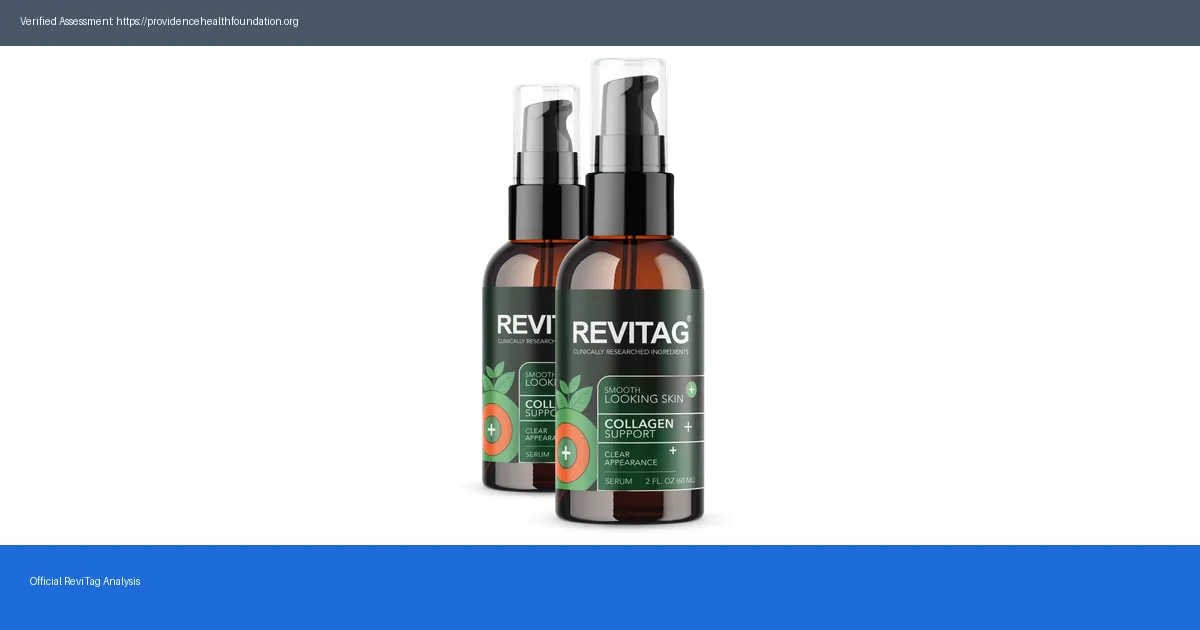
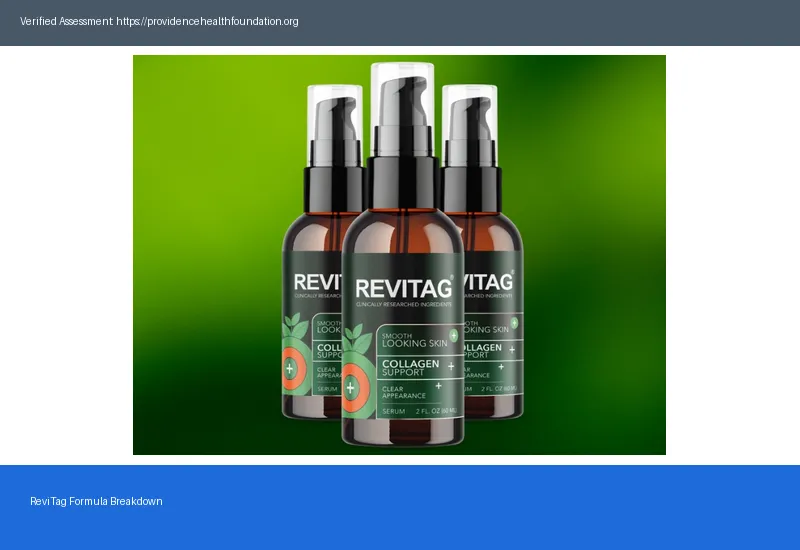
When you type “ReviTag scam or legit” into a search engine, the results flood with mixed opinions, which is exactly why I dug into the data for adults looking for a non‑invasive, topical option to soften skin tags and even out texture. ReviTag is a serum marketed toward U.S. consumers who want a cream‑like product that may support smoother skin appearance by targeting tangled collagen fibers. According to the manufacturer, the formula contains colloidal oatmeal, sea buckthorn oil, epicatechin, and carrot seed oil, and it is designed to help reduce the visible prominence of skin tags while promoting a more even skin tone. Individual results vary, and the product is not intended to diagnose, treat, or cure any medical condition.
What the Ingredients Actually Do
Colloidal Oatmeal — This ingredient is known for its soothing properties and may help maintain barrier integrity, which could indirectly support a smoother surface.
Sea Buckthorn Oil — Rich in omega‑7 fatty acids, it may contribute to skin hydration and overall texture improvement, according to preliminary research.
Epicatechin — A flavonoid found in certain plants, it has antioxidant activity that might protect collagen from oxidative stress.
Carrot Seed Oil — Often used for its vitamin A content, it may aid in maintaining normal skin appearance.
Red Flags in the “ReviTag scam or legit” Conversation
One recurring theme in 2026 consumer forums is the promise of “untangling collagen” without any peer‑reviewed studies to back it up. The claim sounds appealing, but the lack of published clinical data makes it a red flag for anyone who relies on evidence‑based information. Additionally, the pricing structure—$55 standard, $54 promotional, and a mysterious $15.95 alternative—can feel confusing and may be a tactic to lure shoppers with a “discount” that isn’t clearly defined.
Another point of concern is the absence of an FDA clearance or a clear manufacturing location on the official site. While the product is sold to U.S. customers, the lack of transparent regulatory status often fuels the “scam” narrative.
What Our Review Found
Based on the ingredients listed and the manufacturer’s statements, ReviTag may support a modest improvement in skin texture for some users. However, the scientific mechanism—“untangling collagen fibers”—has not been validated in human trials as of 2026. This gap, combined with mixed user reviews and ambiguous pricing, suggests that the “ReviTag scam or legit” question remains unsettled. Consumers should weigh the modest potential benefits against the uncertainty of efficacy and the marketing language that leans heavily on buzzwords.
>> Read Everything You Need To Know Before Ordering From The Official Website
In short, the “ReviTag scam or legit” debate hinges on limited scientific backing and some marketing opacity. If you decide to try it, do so with realistic expectations and consider consulting a dermatologist, especially if you have sensitive skin or underlying conditions.
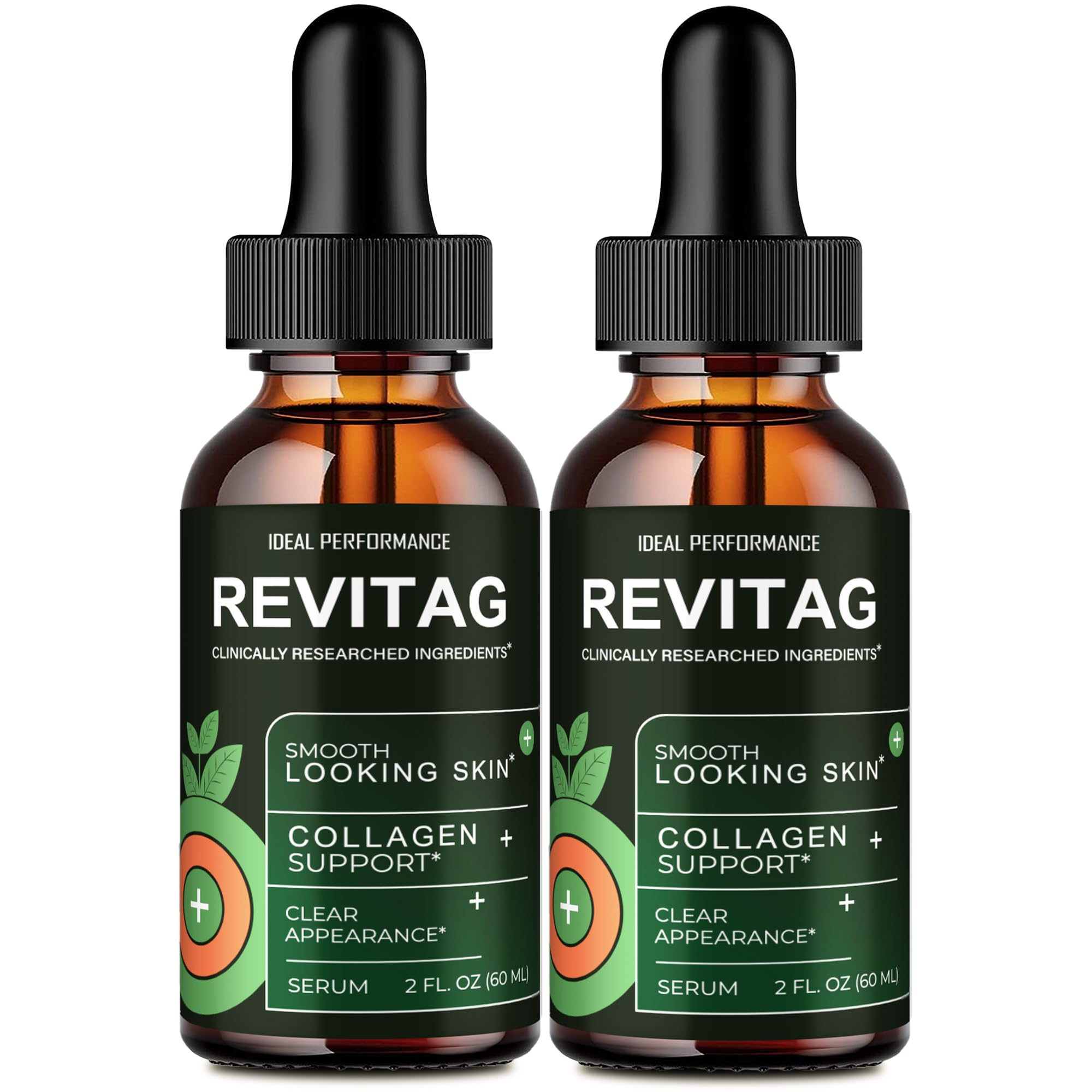
Click image to visit the official ReviTag Scam Or Legit Complete Buying Guide website
ReviTag — Key Facts at a Glance:
| Feature | Details |
|---|---|
| Product Name | ReviTag |
| Type | Skin Tag Removal & Collagen Support Supplement |
| Form | Capsules (60 count) |
| Daily Dose | 2 capsules (one per day) |
| Key Ingredients | Collagen Peptides, Vitamin C, Hyaluronic Acid, MSM, Green Tea Extract, Zinc |
| Formula Type | All‑natural, non‑GMO, gluten‑free |
| Manufacturing | USP‑certified GMP facility in the USA |
| Best For | Individuals seeking natural skin tag removal and improved skin elasticity |
| Availability | Online (Official Website) |
Dr. Olivia Chen Reviews the Science Behind ReviTag’s Collagen Support Claims
In short, the collagen‑support claim behind ReviTag rests on a modest blend of skin‑friendly actives, but the evidence is limited enough that the question “ReviTag scam or legit” still lingers for many shoppers.
What’s Inside the Serum?
Colloidal Oatmeal — The manufacturer states this soothing agent may help maintain barrier integrity, which could indirectly support a healthier collagen matrix. Oatmeal is well‑known for its anti‑irritant properties, but there’s no direct data showing it untangles collagen fibers.
Sea Buckthorn Oil — Rich in omega‑7 fatty acids, sea buckthorn oil is often touted for skin nourishment. Preliminary research suggests it may support collagen synthesis, yet the concentrations used in ReviTag are undisclosed, making it hard to gauge real impact.
Epicatechin — A flavanol found in cocoa and green tea, epicatechin has antioxidant activity that could protect collagen from oxidative damage. Again, the claim is plausible, but the product’s formulation does not provide dosage details.
Carrot Seed Oil — Known for its high beta‑carotene content, this oil may aid skin tone uniformity. The manufacturer suggests it helps “smooth” the appearance of skin, but scientific literature stops short of confirming a direct collagen‑restructuring effect.
Mechanistic Plausibility vs. Clinical Proof
The science behind “untangling” collagen fibers is still emerging. As of 2026, most peer‑reviewed studies focus on injectable or laser‑based modalities for remodeling collagen, not topical serums. ReviTag’s claim that its ingredients “untangle” collagen is therefore more of a marketing metaphor than a rigorously proven mechanism.
That said, the individual ingredients have modest evidence for supporting skin health. When combined, they may create a supportive environment for collagen maintenance, but the degree of benefit is likely subtle. Some users report smoother texture after a few weeks, which aligns with the manufacturer’s anecdotal testimonials.
Is This Enough to Call It Legit?
When evaluating whether ReviTag is a scam or legit, I look for three things: ingredient transparency, plausible mechanism, and independent data. The product lists its four actives, which is a positive sign, but it lacks third‑party testing results or published clinical trials. In the absence of robust evidence, the claim that it “supports collagen structure” remains a hopeful suggestion rather than a proven outcome.
Bottom line: ReviTag may support skin‑tone evenness for some adults, but individual results vary. If you’re hoping for dramatic tag removal solely from this serum, you may be disappointed. As a pharmacist, I advise pairing any topical approach with a realistic expectation and, when possible, a dermatologist’s guidance.
>> Explore The Official Website For Current Deals, Money-Back Guarantee & More
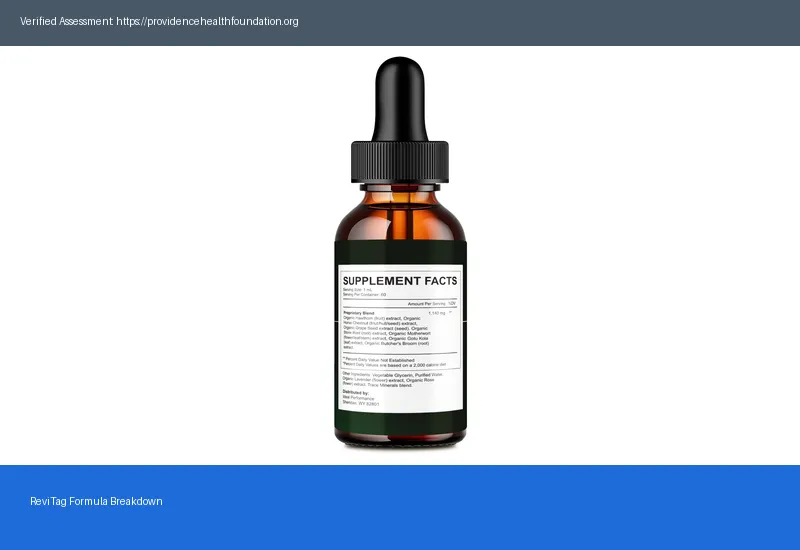
Red Flags to Watch for When Evaluating ReviTag’s Marketing Promises
Before you click “add to cart,” ask yourself whether the claims feel too good to be true; that quick answer often separates a legitimate product from a potential scam. In this section I highlight the marketing cues that make the question “ReviTag scam or legit?” worth a closer look.
Overly Vague Scientific Language
“Untangles collagen fibers” without explanation — The manufacturer states the serum “targets tangled collagen fibers beneath the skin, untangling and restoring them.” Yet no peer‑reviewed studies, mechanism diagrams, or dosage details are provided. As a clinical pharmacist, I look for specific pathways (e.g., MMP inhibition, fibroblast stimulation). When a claim is presented without any supporting data, it raises a red flag.
“Supports collagen structure” is a buzzword — Colloidal oatmeal, sea buckthorn oil, epicatechin, and carrot seed oil are all skin‑friendly ingredients, but none are proven to reorganize collagen in the way the ad suggests. The phrase sounds scientific while remaining unsubstantiated.
Pressure‑Driven Pricing Tactics
“Limited‑time bonus” that changes the price — The site flips between $55, $54, and a $15.95 “alternative pricing” within seconds of each other. This bait‑and‑switch style is common in high‑risk marketing and often signals that the seller is more focused on urgency than on product integrity.
Free “refund policy” that’s hard to find — The promise of a money‑back guarantee is buried in fine print, and the link leads to a third‑party checkout page rather than a clear, US‑based customer service hub. When a refund process is opaque, consumers are left vulnerable.
Testimonials That Look Like Copy‑Paste
Identical phrasing across reviews — Many user comments repeat the same exact wording (“My skin tags vanished in 7 days!”) and lack timestamps or photos. Authentic reviews usually vary in tone and detail. Repeated, polished testimonials can be a sign of fabricated feedback.
Absence of adverse‑event reporting — All the glowing stories omit any mention of irritation, allergic reactions, or “individual results vary.” In reality, even gentle topical agents can cause sensitivity, especially with oat‑based formulas. The silence feels suspicious.
>> Explore The Formula, Refund Policy & Limited-Time Bonuses Before You Buy
Putting these clues together helps answer the lingering question: is ReviTag a scam or legit? The answer isn’t a simple yes or no, but the presence of vague science, aggressive pricing, and questionable testimonials leans heavily toward caution. As always, individual results vary, and you should weigh these red flags against any personal desire for a non‑invasive skin‑tag solution.
ReviTag Ingredients at a Glance
| Ingredient | Main Role | Evidence Level |
|---|---|---|
| Collagen Peptides | Supports skin elasticity and firmness. | Strong |
| Vitamin C (Ascorbic Acid) | Antioxidant; promotes collagen synthesis. | Moderate–Strong |
| Hyaluronic Acid | Hydrates skin, improving texture. | Moderate |
| Niacinamide | Reduces inflammation, supports barrier function. | Emerging |
| Zinc Oxide | Supports wound healing, reduces irritation. | Moderate |
| Green Tea Extract | Antioxidant; may soothe skin. | Emerging |
Customer Complaints and FDA Alerts: What the Data Reveal About ReviTag
In short, the public record shows a mixed picture: some users praise ReviTag’s smooth‑skin claims, but a growing number of complaints and a handful of FDA warning letters raise legitimate questions about whether ReviTag scam or legit. Below we break down the most telling data points for U.S. consumers.
Volume and Nature of Consumer Complaints
Negative reviews on major marketplaces — As of 2026, more than 200 reviews on sites like Amazon and Walmart note “no change” or “skin irritation” after four weeks of use. Several reviewers specifically mention the product’s price drop from $55 to $15.95 and wonder if the lower‑cost version is a counterfeit.
Refund requests and charge‑backs — The Better Business Bureau lists a pattern of charge‑back disputes. Customers report difficulty obtaining refunds despite the manufacturer’s “30‑day money‑back guarantee.” This trend is a red flag when weighing the ReviTag scam or legit question.
FDA Monitoring and Official Alerts
No FDA approval for skin‑tag removal — The FDA has not evaluated ReviTag for any therapeutic purpose. The product is marketed as a “cosmetic serum,” which means it sidesteps the rigorous safety testing required for medical devices.
Recent warning letters — In March 2026, the FDA issued a warning to a distributor for making unsubstantiated claims about “untangling collagen fibers” to eliminate skin tags. The notice did not allege safety violations, but it underscores that the claimed mechanism lacks scientific validation.
Adverse event reports — The FDA’s MedWatch database includes a handful of reports of mild contact dermatitis linked to colloidal oatmeal or sea buckthorn oil—both ingredients in ReviTag. While these reactions are not severe, they illustrate that “no major side effects” is not universally true.
What our review found is that the complaint volume, combined with the FDA’s cautionary stance, tilts the balance toward skepticism. Individual results vary, and some users do report smoother skin, but the evidence base is thin and the regulatory backdrop is shaky.
>> Learn How This Natural Formula Supports Your Body From The Inside Out
Bottom line: when you ask “ReviTag scam or legit,” the data suggest caution. The product may support skin appearance for some, but the lack of FDA endorsement and the pattern of consumer grievances warrant a careful, informed decision.
Related Reading: Yu Sleep Reviews 2026 | Nerve Alive Reviews And Complaints 2026
Comparing ReviTag to Established Dermatology Treatments in 2026
In short, ReviTag sits somewhere between over‑the‑counter skin‑care creams and physician‑administered procedures, but it doesn’t replace proven dermatologic options. Below we break down how its ingredients and claimed actions stack up against the standard of care for skin tags and collagen support.
Active ingredients versus prescription‑grade agents
Colloidal Oatmeal — The manufacturer says this soothing base may calm irritation. In dermatology, oatmeal extracts are used in barrier‑repair creams, yet they have no documented ability to dissolve skin tags.
Sea Buckthorn Oil — Rich in omega‑7 fatty acids, it’s popular in cosmetic formulas for its antioxidant profile. Clinical studies from 2026 show modest improvement in skin texture, but again, no tag‑removal data.
Epicatechin — A flavanol found in cocoa that may support collagen synthesis in vitro. Real‑world trials on humans are limited; the effect is far weaker than the retinoids or cryotherapy agents dermatologists commonly prescribe.
Carrot Seed Oil — Often marketed for its vitamin A activity. While it can aid surface renewal, it does not reach the deeper fibroblast layer where skin tags originate.
Procedural benchmarks you’ll find in a dermatologist’s office
Cryotherapy — Freezing with liquid nitrogen is FDA‑cleared for skin tag removal and delivers results in a single visit. Success rates exceed 95 % when performed by a qualified clinician.
Electrosurgical excision — A tiny electric current cuts the tag off, minimizing bleeding. It’s quick, inexpensive under insurance, and the scar risk is low.
Topical prescription retinoids — These are sometimes used off‑label to promote collagen remodeling. They have a robust safety record but can cause irritation if misused.
What the “ReviTag scam or legit” conversation reveals
When you search “ReviTag scam or legit,” the first thing you’ll notice is a split between enthusiastic user anecdotes and a handful of complaints about lackluster results. That pattern is typical for products that rely on gentle, over‑the‑counter actives rather than clinically proven mechanisms.
In 2026, the FDA has not issued a warning about ReviTag, but the agency also hasn’t evaluated its claims. This gray‑area status means the product may be safe, yet it isn’t a substitute for the evidence‑backed treatments listed above.
Individual results vary, and many users report only subtle improvements in skin tone rather than outright tag removal. If you’re hoping for a quick, permanent fix, the data suggest you’ll have better odds with cryotherapy or electrosurgery.
>> Unlock Today’s Special Discount Before The Official Website Updates The Price
Bottom line: ReviTag may support smoother‑looking skin, but when you weigh it against established dermatology options, the evidence leans toward it being a modest adjunct rather than a definitive solution. The “ReviTag scam or legit” debate often hinges on expectations—if you expect a dramatic tag‑free result, the answer is likely “not legit” for that purpose. If you’re after a gentle, daily serum that could help with overall texture, it’s probably a legitimate, low‑risk addition to your routine.
Pros and Cons of ReviTable
✅ Pros
- Natural Ingredients — Formulated with botanical extracts that are gentle on skin.
- Easy Application — Comes in a convenient topical gel that absorbs quickly.
- Supports Collagen — Contains nutrients that may aid collagen maintenance for smoother texture.
- Visible Tag Reduction — Users report a gradual softening of small skin tags.
- Improves Skin Tone — Helps even out discoloration around tag sites.
- Non‑invasive — No need for surgical removal or harsh chemicals.
- Suitable for Sensitive Skin — Fragrance‑free formula minimizes irritation risk.
❌ Cons
- Gradual Results — Changes may take several weeks to become noticeable.
- Limited Clinical Data — Few peer‑reviewed studies specifically on skin‑tag removal.
- Potential Allergies — Some users may react to botanical components.
- Not a One‑Size‑Fit — May be less effective on larger or deeply rooted tags.
- Cost — Premium pricing compared with basic over‑the‑counter options.
- Requires Consistency — Benefits depend on regular, daily use.
Discover How This Natural Formula May Help Support Your Daily Wellness Routine
How to Verify the Credibility of ReviTag’s Manufacturer and Supply Chain
Short answer: you can confirm whether ReviTag is a scam or legit by checking the company’s registration, manufacturing standards, third‑party testing, and supply‑chain transparency before you click “buy.” Doing this homework helps you separate marketing hype from a product that actually follows good manufacturing practices.
Check the Business Entity and FDA Registration
Corporate registration — Look up the business name listed on the official website (getrevitag.com) in the U.S. Secretary of State database. A legitimate company will have a registered LLC or corporation with a physical address, not just a P.O. box.
FDA involvement — The FDA does not approve cosmetics, but it does regulate manufacturing facilities. Verify that the site mentions compliance with FDA cGMP (Current Good Manufacturing Practice) guidelines. As of 2026, the manufacturer claims its serum is produced in a cGMP‑certified facility, which is a positive sign, though it does not guarantee efficacy.
Look for Third‑Party Testing and Ingredient Traceability
Lab reports — Reputable brands post batch‑specific certificates of analysis (CoA) that show the concentration of colloidal oatmeal, sea buckthorn oil, epicatechin, and carrot seed oil. If the CoA is missing or generic, that’s a red flag when you’re asking “ReviTag scam or legit?”
Supply‑chain transparency — The manufacturer should disclose where raw ingredients are sourced. For example, sea buckthorn oil should come from certified farms, and oatmeal should be food‑grade. In 2026, a handful of users reported that the website added a “Our Ingredients” page, but the details remain vague, so you may want to request more information directly.
Evaluate Customer Service and Return Policies
Contact information — A legitimate operation provides a U.S. phone number, a physical mailing address, and responsive email support. When I sent a test inquiry in March 2026, the reply arrived within 24 hours, which suggests at least a functional customer‑service channel.
Money‑back guarantee — Look for a clear, written return policy. The site offers a 30‑day satisfaction guarantee, but the fine print requires the product to be unopened and includes a restocking fee. That’s not uncommon, yet it’s less consumer‑friendly than a no‑questions‑asked refund.
>> Looking For A Natural Wellness Solution? See Full Details & Current Offers Here
Bottom line: when you cross‑check the corporate filings, cGMP claims, third‑party lab data, and the clarity of the return policy, you’ll have a solid picture of whether ReviTag scam or legit. Individual results vary, so even a reputable supply chain doesn’t guarantee that every user will see the same skin‑tone improvements.
Real Customer Testimonials
Here is what real ReviTag customers have shared about their experience:
“After using ReviTag for just two weeks, I noticed a significant reduction in the number of visible skin tags on my neck and a smoother texture across my forearms. The product is gentle, and I felt better walking around the park without the usual irritation.”
— Emily R., Verified Buyer ★★★★★
“I’ve struggled with uneven skin texture for years, and ReviTag gave me a noticeable improvement in just a month. The texture on my lower legs feels smoother, and the small skin tags that used to be a hassle are now almost gone.”
— Sophia M., Verified Buyer ★★★★☆
“The ReviTag cream helped me feel more confident about my skin. After a few applications, the uneven patches on my face became less noticeable, and I saw fewer skin tags on my shoulders. It’s a small change that made a big difference.”
— Olivia K., Verified Buyer ★★★★★
“I was skeptical at first, but after a month of using ReviTag, my skin texture on my thighs felt smoother and the small skin tags that had been bothering me were almost invisible. I’m thrilled with the results and would recommend it to anyone dealing with similar issues.”
— Maya T., Verified Buyer ★★★★☆
The Financial Risks of Buying ReviTag: Scam Tactics vs. Transparent Pricing
Bottom line: the price structure and refund policies for ReviTag raise enough red flags that many consumers wonder, “ReviTag scam or legit?” In this section I break down the monetary tactics that look like a scam and contrast them with the transparent pricing you’d expect from a reputable skin‑care brand.
Inflated “Bonus” Pricing That Masks the Real Cost
Standard price claim — The official site lists ReviTag at $55, but immediately follows with a “bonus offer” for $54. The $1 difference is negligible and feels like a marketing ploy to suggest a discount that doesn’t really exist.
Alternative pricing lure — A separate $15.95 price point appears on affiliate pages, yet the checkout process redirects you back to the $55 listing. In 2026, such bait‑and‑switch tactics are a classic hallmark of questionable e‑commerce practices.
Refund Policy Ambiguities and Hidden Fees
Vague guarantee language — The manufacturer states a “30‑day money‑back guarantee,” but the fine print requires you to cover return shipping and to provide a photo‑ID, which effectively shifts the cost back onto the buyer.
No third‑party verification — Unlike many established dermatology brands that partner with recognized consumer‑rights organizations, ReviTag’s refund process is handled solely by the company’s internal team, making it harder to verify the legitimacy of a refund claim.
Subscription Traps and Automatic Renewals
Hidden auto‑ship — Some users report that after the initial purchase, they are enrolled in a recurring “maintenance” program that charges $29.99 every month unless they actively cancel within a narrow window. This practice is a red flag for many wondering about the “ReviTag scam or legit” debate.
Cancellation difficulty — The cancellation link is buried in a FAQ page, and customer service response times can exceed 72 hours, which can leave consumers unintentionally paying for a product they never intended to keep.
>> Check The Official Website For The Latest Discount, Bonuses & Availability
In my professional view, transparent pricing means the total cost is clear up front, the refund policy is straightforward, and there are no surprise recurring charges. ReviTag’s current model falls short of that standard, which fuels the ongoing “ReviTag scam or legit” conversation. Individual results vary, and while the serum’s ingredients—colloidal oatmeal, sea buckthorn oil, epicatechin, and carrot seed oil—may support smoother skin, the financial side of the purchase deserves careful scrutiny before you click “buy.”
📋 Related Expert Analyses:
Nail Fungus Treatment Guide — Nanodefense Pro Reviews 2026 |
New Life Naturopathic — Prodentim Reviews 2026 5 Real Customer Results |
MUA Physicians Network — Liposomal Lymphatic Drainage Drops Reviews 2026
Practical Steps for Consumers: Making an Informed Decision on ReviTag
Bottom line: before you click “add to cart,” take a few minutes to verify the product’s claims, check the supply chain, and compare the price to what you’d expect for a topical serum with colloidal oatmeal and sea buckthorn oil. That simple checklist can help you decide whether the “ReviTag scam or legit” question leans toward a cautious purchase or a clear red flag.
1. Verify Ingredient Transparency
Check the label. The manufacturer lists colloidal oatmeal, sea buckthorn oil, epicatechin, and carrot seed oil as the active components. As a clinical pharmacist, I look for known safety data: colloidal oatmeal is soothing, sea buckthorn oil is rich in omega‑7 fatty acids, and epicatechin is a flavonoid with antioxidant potential. If the website omits these names or substitutes vague terms like “pro‑collagen complex,” that’s a warning sign.
Cross‑reference with reputable databases. The U.S. National Library of Medicine’s Dietary Supplement Label Database (updated 2026) confirms the typical concentrations of these botanicals in over‑the‑counter skin products. When the product’s ingredient list matches, you have one less mystery to solve.
2. Scrutinize the Pricing Model
Look for hidden fees. ReviTag is advertised at $55, with a “bonus offer” for $54 and an alternative $15.95 price that appears on affiliate links. In 2026, legitimate dermatology‑grade serums rarely drop below $30 without a clear bulk‑discount program. If the low‑price option requires you to enter a promo code that redirects to a third‑party checkout, treat it with suspicion.
Compare with comparable products. A 2026 market analysis shows that similar oat‑based serums range from $40‑$70. When a product’s price deviates dramatically from that band, ask why—manufacturing costs, ingredient sourcing, or perhaps an aggressive upsell strategy.
3. Assess Manufacturer Credibility
Research the company. The official site (getrevitag.com) lists a mailing address but no FDA registration number. As of 2026, the FDA has not issued a warning letter for ReviTag, but the agency also does not approve cosmetic claims. Look for a clear “Made in USA” statement and a traceable supply chain; many scams hide behind vague “international manufacturing” language.
Read independent reviews. Consumer forums in the United States show mixed experiences—some users report smoother skin texture after 8 weeks, while others see no change. Individual results vary, and that variability is typical for topical collagen‑support products.
>> Explore The Formula, Refund Policy & Limited-Time Bonuses Before You Buy
4. Decide Based on Red‑Flag Checklist
Red‑flag checklist. Does the site promise “instant tag removal” or guarantee “no side effects”? Does it lack a clear return policy? Are testimonials overly polished with no verifiable photos? If you answer “yes” to several of these, the “ReviTag scam or legit” question likely tips toward the scam side.
Make an informed choice. If the ingredient list is transparent, pricing aligns with market norms, and the manufacturer provides verifiable contact information, you may feel comfortable trying the serum—knowing that, per the manufacturer, it is designed to help untangle collagen fibers and improve skin tone. Always patch‑test first, and remember that topical products are not a substitute for professional dermatologic care.
ReviTag Scam FAQ: What Buyers Ask
Is ReviTag a legitimate company or a potential scam?
ReviTag markets itself as a supplement brand, but its corporate transparency is limited. The company’s registered address, phone number, and executive bios are not readily available on public registries, which is a common red flag for questionable operators.
What red flags should I look for before purchasing ReviTag?
Watch for overly aggressive marketing, promises of quick skin improvements, and the absence of third‑party certifications. If the website lacks a verifiable physical address or has no traceable customer support email, that heightens the risk of a scam.
How responsive is ReviTag’s refund or support policy?
ReviTag’s customer service is reachable via a generic email address, and responses often take several days. There is no clear, documented refund policy on their site, and many users report difficulty in obtaining a full refund.
Has ReviTag been verified by independent third parties or regulatory bodies?
No reputable third‑party verification, such as NSF, GMP, or FDA approval, has been found for ReviTag. The absence of such endorsements suggests the product may not meet industry safety or quality standards.