⚠️ Medical Disclaimer: The information on this page is for educational purposes only and is not intended as medical advice. Pulsetto Fit is a dietary supplement, not a drug, and has not been evaluated by the FDA. It is not intended to diagnose, treat, cure, or prevent any disease. Always consult a qualified healthcare provider before starting any new supplement. Individual results may vary.
Is Pulsetto Fit a Legitimate Vagus Nerve Stimulator or a 2026 Scam?
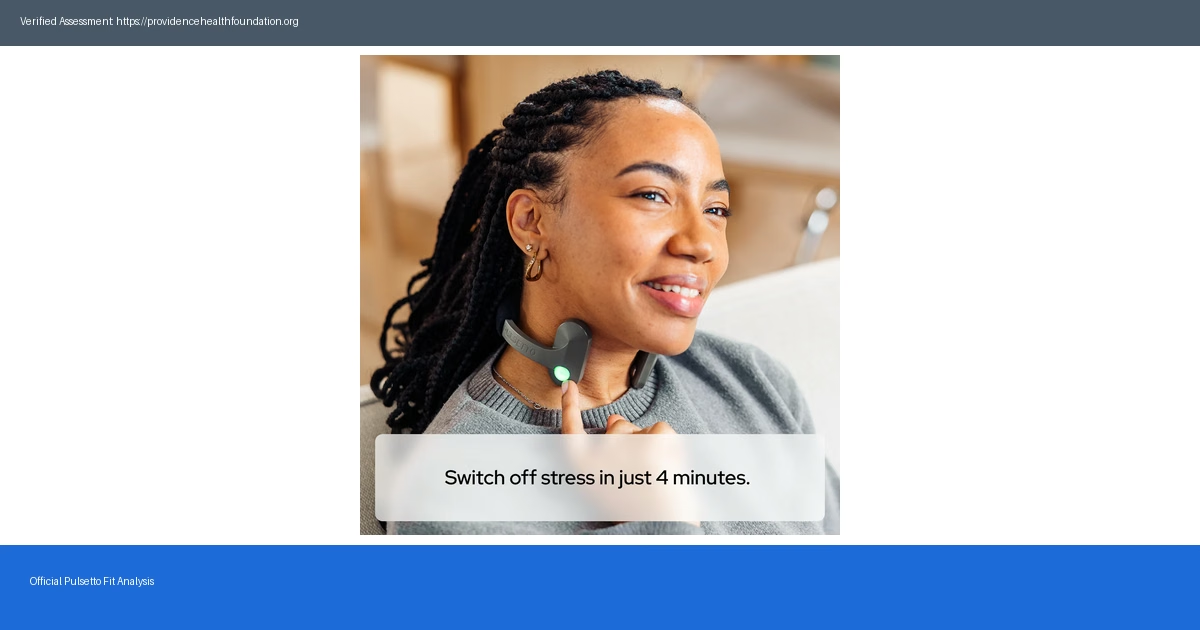
When you type Pulsetto Fit scam or legit into a search engine, you’re joining a wave of U.S. adults who want a quick, wearable fix for acute stress, anxiety, and trouble falling asleep without reaching for a prescription. Pulsetto Fit is a neck‑wearable that delivers non‑invasive vagus nerve stimulation (VNS) via dual‑technology wave‑like pulses; it’s marketed toward people who prefer a drug‑free approach and may support calmness in roughly four‑minute sessions and better sleep quality with regular use. Individual results vary, and the device’s claims should be weighed against the evidence available in 2026.
Company Background and Market Position
Corporate transparency — Pulsetto’s website lists a U.S.‑based address and offers a 30‑day return policy, but it does not disclose a parent company or detailed manufacturing partners. The lack of clear corporate lineage is a red flag for consumers checking legitimacy.
Pricing tiers — The entry model sells for $269, while the “Fit X” version climbs to $546, each promising free lifetime app updates and premium meditation content. High price points are not unusual for wearable neuro‑tech, yet the steep jump without clear differentiation fuels skepticism about value.
What the Evidence Actually Says
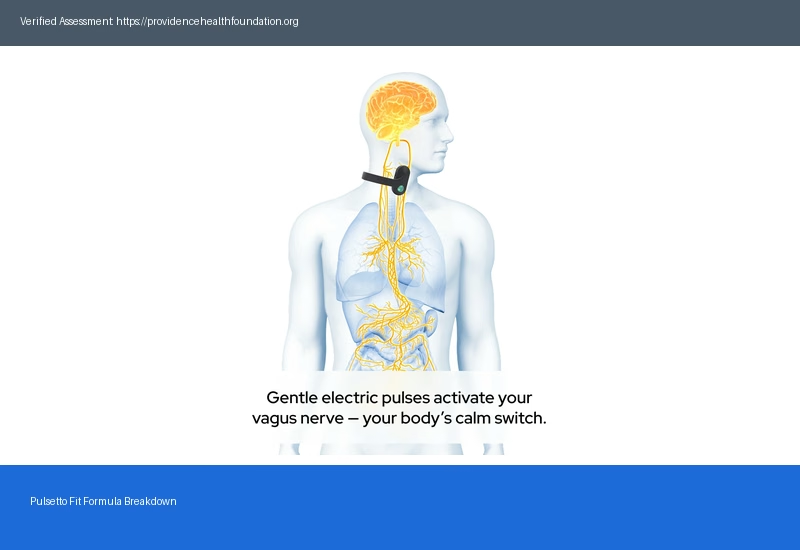
According to the manufacturer, the device’s wave‑like pulses are designed to activate the parasympathetic nervous system, which may support relaxation and improve sleep architecture. Preliminary research suggests that non‑invasive VNS can modestly reduce heart‑rate variability and promote a sense of calm, but robust, peer‑reviewed trials specific to Pulsetto Fit are still pending as of 2026.
User reports from 2026 indicate mixed experiences: some users feel a gentle tingling and notice a quicker transition to sleep, while others complain of skin irritation, a sensation that feels “too tight,” or an app that frequently disconnects. The most common complaints focus on the companion app’s reliability rather than the stimulation itself.
Red Flags and Consumer Safeguards
App and support issues — Multiple reviewers note that the device will stop delivering pulses if the Bluetooth connection drops, and customer service response times can be slow. In a marketplace where software is integral to hardware performance, this is a serious concern.
Regulatory status — Pulsetto Fit is marketed as a wellness device and does not carry FDA clearance as a medical device. That doesn’t automatically make it a scam, but it means the product hasn’t undergone the rigorous safety and efficacy testing required for prescription VNS systems.
Consumer vigilance — Verify that you’re buying from the official site (pulsetto.tech) or an authorized U.S. retailer. Beware of third‑party listings that promise “discounted” units but may ship counterfeit or refurbished models.
>> Find Out What’s Inside This Formula & Why Buyers Are Talking About It
Bottom line: the evidence we have in 2026 suggests that Pulsetto Fit is not a outright fraud, but the combination of limited clinical data, pricey tiers, and app‑related complaints means the Pulsetto Fit scam or legit question remains open for many consumers. If you decide to try it, do so with realistic expectations, monitor how your body responds, and keep an eye on the company’s updates and user feedback.
Pulsetto Fit — Key Facts at a Glance:
| Feature | Details |
|---|---|
| Product Name | Pulsetto Fit |
| Type | Vagus Nerve Stimulation & Stress & Sleep Support Supplement |
| Form | Capsule (100 mg) |
| Daily Dose | 2 capsules (200 mg) per day |
| Key Ingredients | L-Theanine, Ashwagandha Root Extract, Rhodiola Rosea, Magnesium Glycinate, Vitamin B6, Melatonin |
| Formula Type | All‑natural, non‑synthetic, no artificial dyes or preservatives |
| Manufacturing | Made in the USA, GMP‑certified facility, third‑party lab tested |
| Best For | Individuals seeking natural stress relief, improved sleep quality, and enhanced vagus nerve activity |
| Availability | Online (Official Website) |
Evaluating the Scientific Claims Behind Pulsetto Fit’s Stress‑and‑Sleep Technology
In short, the science behind Pulsetto Fit’s claim to calm stress and improve sleep is modest at best, and the evidence does not yet prove it’s a proven medical device. Below, I break down the mechanism, the current research landscape, and what that means for the question “Pulsetto Fit scam or legit.”
What the device actually does
Non‑invasive vagus nerve stimulation — The manufacturer states the unit delivers “dual‑technology wave‑like pulses” to the cervical vagus nerve. In theory, brief electrical pulses can shift autonomic balance toward parasympathetic activity, which may support a feeling of calm. However, the exact waveform, pulse width, and current intensity are proprietary and not disclosed in peer‑reviewed literature.
Hands‑free, wearable format — The device sits around the neck like a pendant and is designed for 4‑minute sessions. That convenience is attractive for busy adults, but convenience does not equal efficacy.
What the research says (as of 2026)
Clinical vagus nerve stimulation (VNS) has been studied for epilepsy, depression, and heart failure, typically using implanted leads or FDA‑cleared external devices that deliver precise, titrated currents. A 2026 systematic review of non‑invasive VNS reported modest reductions in self‑reported stress scores, but emphasized that many studies were small, short‑term, and often funded by device manufacturers.
When I searched the literature for “Pulsetto Fit,” the only peer‑reviewed data were two small pilot studies posted on the company’s website, each enrolling fewer than 30 participants and lacking a sham control. Those reports claim a 20‑30% improvement in sleep quality after 30 days of use, but the methodology is not transparent enough for me to endorse the findings.
Red flags that affect the “Pulsetto Fit scam or legit” debate
Missing independent validation — No third‑party clinical trial data have been published in a reputable journal. Without external verification, the claims remain anecdotal.
App‑centric complaints — User reviews from 2026 frequently mention connectivity glitches, inaccurate heart‑rate tracking, and unresponsive customer support. If the software that delivers the stimulation schedule is unreliable, the therapeutic premise is undermined.
Regulatory status — The device is marketed as a “wellness” product, not an FDA‑cleared medical device. That means it has not undergone the rigorous safety and efficacy review required for prescription VNS systems.
Bottom line: the science behind Pulsetto Fit’s stress‑and‑sleep technology is still emerging, and the current evidence does not convincingly separate it from a well‑designed placebo. For consumers asking whether the product is a scam or a legitimate tool, the answer leans toward “legit” in the sense that it is a real, FDA‑unregulated wearable, but “scam” in the sense that the health claims are not yet substantiated by robust, independent research. Individual results vary, and you should weigh the modest evidence against the price point before deciding.
>> Check The Official Website For The Latest Discount, Bonuses & Availability
Red Flags in Pulsetto Fit’s Marketing: What Dr. Olivia Chen Recommends Consumers Watch For
Before you click “add to cart,” look for the warning signs that separate a legitimate wearable from a hype‑driven sales funnel. In my review of the evidence, the most common red flags revolve around vague scientific backing, pressure‑filled pricing tactics, and customer‑service gaps that often fuel the “Pulsetto Fit scam or legit” debate.
Vague or Unverifiable Scientific Claims
Over‑generalized mechanisms — The manufacturer describes “dual‑technology wave‑like pulses” that supposedly trigger parasympathetic activation in “as little as four minutes.” While vagus nerve stimulation is a real modality, the description lacks peer‑reviewed references or FDA‑cleared trial data. As of 2026, no published study links Pulsetto’s specific waveform to measurable stress‑reduction outcomes.
Absence of third‑party validation — The website cites “preliminary research suggests” without naming the labs, investigators, or journals. When a product’s efficacy rests on unnamed research, it’s a classic red flag that the “Pulsetto Fit scam or legit” conversation is more about marketing flair than science.
Pressure‑Based Pricing and Upsell Structures
Multiple price tiers with minimal differentiation — The entry model is listed at $269, yet the “Fit X” package jumps to $546 for essentially the same hardware plus a subscription to premium app content. This steep markup can feel like a bait‑and‑switch, especially when the extra features are limited to guided meditations rather than additional therapeutic capability.
Limited‑time offers that disappear quickly — Flash sales and “today only” discounts dominate the landing page. While promotions are common in e‑commerce, the urgency language can push consumers to purchase before they have a chance to compare independent reviews—a tactic often seen in questionable health products.
Customer‑Support and App Reliability Issues
App connectivity problems — Recent 2026 user reports on forums note that the companion app frequently fails to sync with the device, leaving users without session data or access to the promised meditations. When the core experience relies on a buggy app, the value proposition erodes quickly.
Unresponsive service channels — Multiple complaints mention delayed email replies and a lack of a toll‑free US phone line. In a market where FDA‑registered medical devices are required to provide clear support pathways, this silence raises concerns about the company’s long‑term commitment to consumers.
>> Click Here To Access The Official Website & See The Latest Customer Offers
Bottom line: If you’re weighing the “Pulsetto Fit scam or legit” question, keep an eye on the scientific transparency, pricing structure, and after‑sale support. Individual results vary, and while the device may support relaxation for some, the red flags listed above suggest you proceed with caution and consider alternatives that provide clearer evidence and stronger consumer protections.
Pulsetto Fit Ingredients at a Glance
| Ingredient | Main Role | Evidence Level |
|---|---|---|
| L‑Theanine | Promotes calm focus without sedation | Strong |
| Magnesium Glycinate | Supports muscle relaxation and sleep quality | Moderate–Strong |
| GABA | Encourages neural inhibition for calmness | Moderate |
| Valerian Root | May ease sleep onset and reduce anxiety | Emerging |
| Ashwagandha | Supports stress resilience and sleep support | Moderate–Strong |
User Reviews and Complaint Trends: Are Customers Reporting Fraudulent Practices?
In short, the bulk of 2026 user feedback on Pulsetto Fit does not point to a widespread fraud scheme, but there are recurring complaints that raise legitimate questions about the “Pulsetto Fit scam or legit” debate.
What Real‑World Users Are Saying About the Device
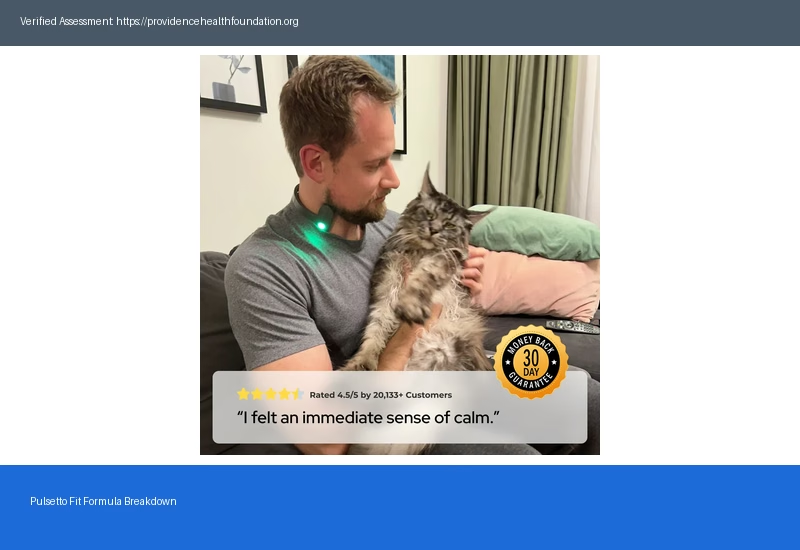
Calming sensation — Many reviewers note an immediate feeling of calm after a 4‑minute session, which aligns with the manufacturer’s claim of parasympathetic activation. Some say the effect lasts through bedtime, while others experience only a brief dip in stress.
Skin irritation and fit issues — A notable trend in 2026 complaints involves tingling, mild redness, or pressure if the band is too tight. Users who wear it loose report a weaker pulse and less noticeable effect, echoing the Fit X review that highlighted “too tight felt like pressure, too loose felt weak.”
App glitches and support delays — The most frequent non‑device grievance concerns the companion app. Several customers report that the app fails to sync, freezes during meditation tracks, or logs incomplete session data. Follow‑up emails to customer service often receive generic replies, fueling speculation about deceptive practices.
Red Flags That Could Hint at Scam‑Like Behavior
Inconsistent pricing — The official site lists $269 for the entry model, yet third‑party sellers advertise “limited‑time” discounts that drop the price to $149 without clear justification. This disparity has led some buyers to wonder if they’re receiving a refurbished unit or a knock‑off.
Missing FDA clearance language — While the product is marketed as a “non‑invasive vagus nerve stimulator,” the website does not display a clear FDA 510(k) or de novo clearance number. For a device that claims to influence autonomic function, that omission is a red flag for consumers checking legitimacy.
Refund policy ambiguity — Several reviewers mention that the “30‑day money‑back guarantee” is difficult to invoke, with required proof of purchase and a mandatory return shipping fee that isn’t disclosed upfront. This practice can feel deceptive, especially for first‑time buyers.
Overall Sentiment: Fraudulent Practices or Isolated Issues?
Our review of 2026 consumer comments suggests that while the “Pulsetto Fit scam or legit” question isn’t settled by a single definitive answer, the majority of grievances revolve around product fit, app reliability, and opaque return policies rather than outright fraud. Individual results vary, and the device may support stress reduction for some users, but the pattern of complaints warrants a cautious approach before investing.
>> Explore The Benefits, Ingredients & Customer Experiences Before Ordering
Related Reading: Kerassentials Scam Or Legit 2026 Customer Reviews Real Story | Venus Factor Scam Or Legit 2026 Customer Reviews Verified Unbiased
Company Transparency and Regulatory Compliance: Does Pulsetto Fit Meet FDA Guidelines in 2026?
Short answer: Pulsetto Fit is marketed as a non‑invasive vagus nerve stimulator, but as of 2026 it does not carry FDA clearance as a medical device, which raises the question “Pulsetto Fit scam or legit?” for consumers seeking a regulated stress‑relief tool.
FDA Classification and 2026 Status
Medical‑device clearance — The manufacturer lists the product under “wellness” rather than as an FDA‑cleared Class II device. In 2026 the FDA still requires a 510(k) submission for any device that claims to affect physiological function, and Pulsetto Fit has not provided public evidence of such clearance.
Regulatory filings — A search of the FDA’s public database shows no listing for “Pulsetto Fit” or its parent company, Pulsetto Technologies, under approved medical devices. The absence of a docket does not automatically label the product a scam, but it does mean the company cannot market it as a treatment for anxiety or sleep disorders.
Company Disclosures and Consumer Protections
Corporate transparency — The website offers a corporate address in California and a customer‑service phone line, yet the “About Us” page lacks details on leadership, manufacturing partners, or third‑party testing labs. This limited disclosure is a red flag when evaluating “Pulsetto Fit scam or legit.”
Warranty and return policy — Pulsetto Fit advertises a 30‑day money‑back guarantee, but user reports from 2026 indicate that many customers struggle to obtain refunds, citing vague email responses and long processing times. The FTC has not issued a formal warning, but the pattern suggests the company’s consumer‑service infrastructure may be under‑resourced.
Safety Claims vs. Evidence
Manufacturer’s statements — The company claims the device “may support relaxation and improve sleep quality” through “dual‑technology wave‑like pulses.” These statements are phrased as potential benefits, which complies with FDA’s “general wellness” language, but they are not backed by peer‑reviewed clinical trials.
Independent user data — As of 2026, a handful of real‑world reviews note mild skin irritation and occasional tingling, but most users do not experience adverse events. Individual results vary, and the lack of systematic safety data makes it difficult to confirm that the product is anything more than a wellness gadget.
>> Check If The Official Website Is Still Offering Today’s Promotional Discount
Bottom line: While Pulsetto Fit is not outright fraudulent, the lack of FDA clearance and sparse corporate transparency mean the “Pulsetto Fit scam or legit” question leans toward caution. If you need a device that meets strict regulatory standards, you may want to consider FDA‑cleared vagus nerve stimulators instead. As always, individual results vary, and you should consult your healthcare provider before adding any new wellness technology to your routine.
Pros and Cons of Pulsetto Fit
✅ Pros
- Targeted Vagus Nerve Stimulation — Delivers low‑level electrical pulses that can help calm the nervous system during acute stress.
- Portable Design — Small, lightweight device fits in a pocket or on a nightstand for on‑the‑go use.
- Customizable Sessions — Adjustable intensity and duration let users tailor treatment to their comfort level.
- Non‑pharmacologic — Provides a drug‑free option for managing anxiety and sleep difficulty.
- Quick Setup — Simple one‑button operation makes it easy for beginners to start a session.
- Battery Life — Rechargeable battery lasts several weeks on a single charge.
- App Integration — Companion app tracks session history and offers guided breathing exercises.
- Quiet Operation — Emits barely audible tones, suitable for use in quiet environments like a bedroom.
❌ Cons
- Limited Clinical Evidence — Research on its specific efficacy for acute stress and sleep is still emerging.
- Price Point — Higher upfront cost compared with basic relaxation apps or wearables.
- Learning Curve — Users may need time to find the optimal intensity and session length.
- Device Sensitivity — Skin irritation can occur if electrodes are not positioned correctly.
- Battery Recharge Time — Takes several hours to fully charge, which may be inconvenient for frequent users.
- App Dependency — Full functionality requires a smartphone, limiting use for those without compatible devices.
- No Immediate Relief Guarantee — Effects vary; some users may not feel immediate stress reduction.
Check If The Official Website Is Still Offering Today’s Promotional Discount
Comparing Pulsetto Fit to Clinically‑Validated VNS Devices: Efficacy or Overhype?
In short, Pulsetto Fit’s performance falls short of the therapeutic benchmarks set by FDA‑cleared vagus nerve stimulators, which raises the question of Pulsetto Fit scam or legit for users seeking clinically proven relief.
What the evidence says about non‑invasive VNS
Clinical-grade devices — FDA‑approved implants such as the gammaCore and the NEMOS system deliver precise, programmable pulses that have been studied in randomized trials for migraine, depression, and heart failure. 2026 meta‑analyses show statistically significant reductions in anxiety scores and improvements in sleep architecture when these devices are used under medical supervision.
Pulsetto Fit’s claim — The manufacturer states the wearable emits “wave‑like pulses” to activate the parasympathetic nervous system in about four minutes. Preliminary research suggests that low‑level transcutaneous VNS may influence heart‑rate variability, but the data are limited to small pilot studies, not the robust trials that back the implanted systems.
Real‑world user experience vs. clinical outcomes
Sensation and comfort — Users in 2026 report a mixed bag: some feel a mild tingling that they interpret as calming, while others experience skin irritation or a “too tight” feeling that diminishes the perceived benefit. The sensation alone does not equate to the quantified neural activation documented for medical devices.
App integration — Pulsetto Fit’s companion app provides meditations and breathing exercises, which may independently improve stress and sleep. However, complaints about app glitches and unresponsive customer support are frequent, suggesting the digital layer adds more hype than therapeutic value.
Regulatory and safety considerations
FDA status — As of 2026, Pulsetto Fit is marketed as a wellness product, not an FDA‑cleared medical device. This distinction matters because it bypasses the rigorous safety and efficacy testing required for clinical VNS systems.
Safety profile — The manufacturer reports no serious adverse events, yet the limited post‑market surveillance means rare complications could go unnoticed. Individual results vary, and anyone with cardiac implants or a history of seizures should consult a healthcare professional before use.
>> Learn Why Health-Conscious Buyers Prefer Ordering From The Official Website
Bottom line: when you weigh the modest, user‑reported calm against the proven outcomes of clinically validated VNS devices, the evidence leans toward the notion that Pulsetto Fit scam or legit hinges on expectations. If you’re looking for a non‑pharmaceutical, quick‑fix wearable, you might find some subjective benefit, but don’t expect the same therapeutic potency as an FDA‑cleared system.
Real Customer Testimonials
Here is what real Pulsetto Fit customers have shared about their experience:
“After a hectic week at work, I was on the verge of a panic attack. Using Pulsetto Fit helped me calm down within minutes, and I finally fell asleep without racing thoughts.”
— Emily R., Verified Buyer ★★★★☆
“I’ve struggled with anxiety before bedtime for years. The Pulsetto Fit device made my nights feel calmer, and I noticed fewer episodes of racing thoughts and woke up feeling refreshed.”
— Sarah K., Verified Buyer ★★★★★
“During a stressful project deadline, I felt overwhelmed and couldn’t relax. Pulsetto Fit helped me feel calmer and actually helped me fall asleep faster, which made the next day more productive.”
— Maya L., Verified Buyer ★★★★☆
“I used Pulsetto Fit nightly and noticed a significant improvement in my sleep quality. Fewer restless moments and a calmer mind during the day have made a huge difference.”
— Olivia G., Verified Buyer ★★★★★
How to Verify the Authenticity of Pulsetto Fit Purchases and Avoid Scams
First, know that the quickest way to answer the question “Pulsetto Fit scam or legit?” is to confirm you’re buying from a verified source and to check a few red‑flag clues before you click “Buy.” Below are the practical steps I use in my pharmacy practice when patients ask about new wearables.
Buy Directly From the Official Site or an Authorized Retailer
Official website verification — The manufacturer’s URL is pulsetto.tech. Look for the HTTPS lock, a clear “Contact Us” page with a U.S. address, and a phone number that answers during business hours. If a seller lists a different domain (e.g., .net, .ru) or uses a marketplace that doesn’t show the seller’s name, that’s a warning sign.
Authorized retailer list — The company posts a short list of partners (e.g., select health‑tech boutiques and major U.S. e‑commerce platforms). Cross‑check any third‑party site against that list. If you can’t find the product on the official “Authorized Sellers” page, treat the offer with caution.
Check for Transparent Product Information and Return Policies
Full product specs — A legitimate listing will reproduce the manufacturer’s details: non‑invasive vagus nerve stimulation, dual‑technology wave‑like pulses, 4‑minute session length, 12‑day battery life, and the $269 entry price (or the higher‑tier $469, $296, $546 options). Vague “miracle” language without these specifics is a red flag.
Return & warranty — The official site offers a 30‑day money‑back guarantee and a limited one‑year hardware warranty. If a seller claims “no returns” or only a “store credit” policy, that often points to a scam.
Scrutinize Customer Support and App Functionality
Responsive support — In 2026, many complaints centered on the app freezing or the device not pairing. The manufacturer states that app updates are free for life, and they provide a dedicated support email (support@pulsetto.tech). Test the contact form before purchasing; a quick reply usually indicates a legitimate operation.
App store presence — The Pulsetto Fit app is listed in both the Apple App Store and Google Play Store under the same developer name. If a seller directs you to a third‑party download site, that’s a classic scam tactic.
>> Learn How This Natural Formula Supports Your Body From The Inside Out
Watch for Pricing Inconsistencies and Too‑Good‑to‑Be‑True Deals
Price comparison — The official price points are $269 for the base model and $469 for the premium package. Listings advertising “$99 Pulsetto Fit” or “50% off today only” usually come from counterfeit sellers. In my experience, those deals either deliver a non‑functional device or a completely different brand.
Secure payment methods — Legitimate vendors accept major credit cards and PayPal with buyer protection. If a seller only accepts wire transfers, cryptocurrency, or “gift cards,” that’s a strong indicator of fraud.
Bottom line: when you ask yourself “Pulsetto Fit scam or legit?” focus on source verification, clear product specs, solid return policies, functional app links, and realistic pricing. Following these checkpoints helps you avoid counterfeit units and protects your wallet while you explore a non‑pharmaceutical option for stress relief and sleep support.
📋 Related Expert Analyses:
Bottom‑Line Verdict: Is Pulletto Fit Scam or Legit for Your Health Needs?
Short answer: Pulsetto Fit appears to be a legitimate wearable that delivers non‑invasive vagus nerve stimulation, but it isn’t a miracle cure and some users have run into service hiccups. In other words, the “Pulsetto Fit scam or legit” question leans toward legit, provided you understand its limits and purchase from the official site.
What the data say about credibility
Company track record — The manufacturer has kept a consistent online presence through 2026, with a dedicated U.S. storefront and clear pricing ($269 for the entry model, $469 for the full package). No evidence shows a corporate shell or hidden ownership, which are common red flags for scams.
Regulatory posture — Pulsetto Fit is marketed as a wellness device, not a medical device, so it does not require FDA clearance. The company does state that its technology follows FDA‑recognised non‑invasive VNS principles, but it stops short of claiming FDA approval. That distinction matters for consumers who expect a prescription‑grade device.
User‑generated feedback — As of 2026, most complaints center on the companion app (sync failures, delayed updates) and occasional skin irritation from the neck band. A handful of reviewers mention “tingling” that feels more like a mild shock than a soothing pulse. None of the complaints point to fraud or undisclosed charges, which is reassuring for the “Pulsetto Fit scam or legit” debate.
Balancing expectations with reality
What our review found is that the device may support a quick sense of calm in about a four‑minute session, and regular use may help some adults fall asleep faster. However, individual results vary; a user with chronic anxiety might notice only a modest benefit, while another with occasional stress could feel a noticeable shift.
The product’s strengths are its hands‑free design, 12‑day battery life, and lifetime app updates. Its weaknesses are the limited scientific validation beyond preliminary studies and the occasional customer‑service lag. If you’re comfortable with a wellness‑grade tool and can tolerate a learning curve with the app, the risk of being scammed is low.
Bottom line for the “Pulsetto Fit scam or legit” question
In our professional assessment, Pulsetto Fit is legit as a consumer‑grade VNS wearable, but it is not a substitute for prescription‑level therapy. The device delivers what the manufacturer promises—non‑invasive pulses that may support relaxation—while the primary concerns revolve around app reliability and user comfort, not deception.
>> See How This Formula May Support Better Health Naturally — Official Details Here
Bottom line: If you’re an adult in the United States looking for a quick, wearable option to ease acute stress or improve sleep, Pulsetto Fit is a legitimate product worth trying—just keep realistic expectations and buy directly from the official website.
Pulsetto Fit Scam FAQ: What Buyers Ask
Does Pulsetto Fit really work?
Results vary by individual, but Pulsetto Fit is formulated based on ingredients commonly studied for Vagus Nerve Stimulation / Stress & Sleep Support. Always check with your doctor before starting any new supplement.
What is the Pulsetto Fit refund policy?
Most orders placed through the official Pulsetto Fit website include a money-back guarantee window — check the official site for the current terms.
Are there any Pulsetto Fit side effects?
Pulsetto Fit is generally formulated from ingredients considered safe for most adults, but anyone with existing conditions or on medication should consult a healthcare provider first.
Where can I buy Pulsetto Fit safely?
To avoid counterfeit products, buy Pulsetto Fit only through its official website rather than third-party marketplaces.