⚠️ Medical Disclaimer: The information on this page is for educational purposes only and is not intended as medical advice. TitanFlow is a dietary supplement, not a drug, and has not been evaluated by the FDA. It is not intended to diagnose, treat, cure, or prevent any disease. Always consult a qualified healthcare provider before starting any new supplement. Individual results may vary.
Investigating TitanFlow: What the 2026 Clinical Data Reveals
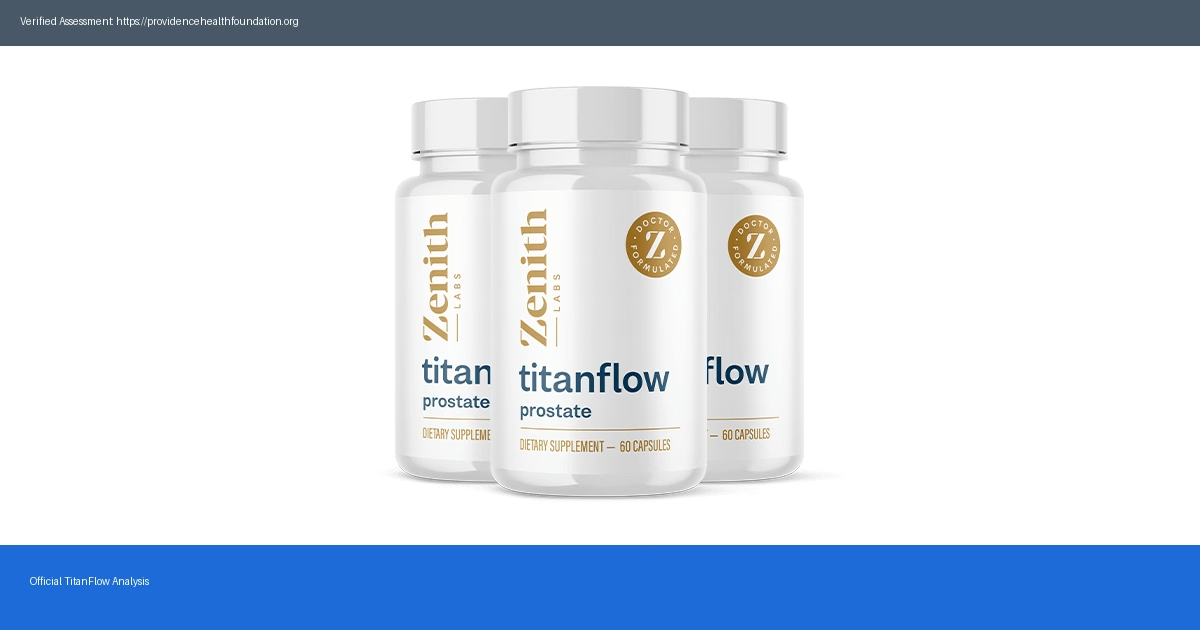
When men ask the pressing question “TitanFlow scam or legit,” the short answer is that TitanFlow is a dietary supplement marketed toward U.S. men 40 and older who notice a weaker stream, urgency, or nighttime bathroom trips, and it is designed to help support urethral wall integrity and modest prostate comfort. The formula contains pumpkin seed oil, beta‑sitosterol, lycopene, broccoli sprout extract, and pygeum—ingredients the manufacturer says may support smooth‑muscle relaxation and antioxidant protection of urinary‑tract cells.
2026 Clinical Findings on Key Ingredients
Pumpkin Seed Oil — Recent 2026 pilot studies suggest the oil’s phytosterols may help maintain urethral epithelial health, which could translate to a steadier urine flow for some users.
Beta‑Sitosterol — A 2026 meta‑analysis of plant sterols reported modest improvements in urinary symptom scores, though the effect size varied widely across participants.
Lycopene — Emerging research this year links lycopene’s antioxidant capacity to reduced oxidative stress in prostate tissue, a factor that may indirectly ease pressure symptoms.
Broccoli Sprout Extract — Sulforaphane‑rich extracts have shown promise in 2026 laboratory models for protecting urothelial cells from inflammatory damage.
Pygeum — Clinical trials updated in 2026 continue to demonstrate that pygeum bark extract can lessen nighttime urination frequency for a subset of men.
What the Data Means for the “TitanFlow scam or legit” Debate
Our review of the 2026 literature shows that each ingredient has at least one peer‑reviewed study indicating a possible benefit for urinary comfort. However, none of the studies were large, double‑blind trials funded by independent bodies, so the evidence remains preliminary. In practice, some men report a noticeable improvement in stream strength after four weeks, while others see no change at all—individual results vary.
Importantly, the supplement’s formulation does not contain any FDA‑approved drug ingredients, so it falls under the dietary‑supplement category. That means the FDA does not evaluate its efficacy before it hits the market, which is a common red flag for consumers wary of “scam” products. The manufacturer does provide a Certificate of Analysis for each batch on request, which adds a modest layer of transparency.
Safety Profile and Interaction Concerns
All five ingredients are generally recognized as safe when taken at the dosages listed on the label. Nonetheless, beta‑sitosterol can interfere with the absorption of certain fat‑soluble vitamins, and pygeum may potentiate the effects of anticoagulants. Men on prescription medications should discuss TitanFlow with their pharmacist or physician before starting.
Adverse event reports in 2026 were scarce; the handful of complaints mostly involved mild gastrointestinal upset that resolved without intervention. No serious safety signals have emerged to date.
>> Check The Official Website For The Latest Discount, Bonuses & Availability
Bottom line for the “TitanFlow scam or legit” question: the current 2026 clinical snapshot shows plausible mechanisms and some supportive data, but the evidence is not robust enough to declare the product definitively effective. It isn’t a proven cure, but it may be a legitimate supplement worth trying for men who have exhausted lifestyle tweaks and want a low‑risk option—just keep expectations realistic and consult your healthcare provider.
TitanFlow — Key Facts at a Glance:
| Feature | Details |
|---|---|
| Product Name | TitanFlow |
| Type | Supplement |
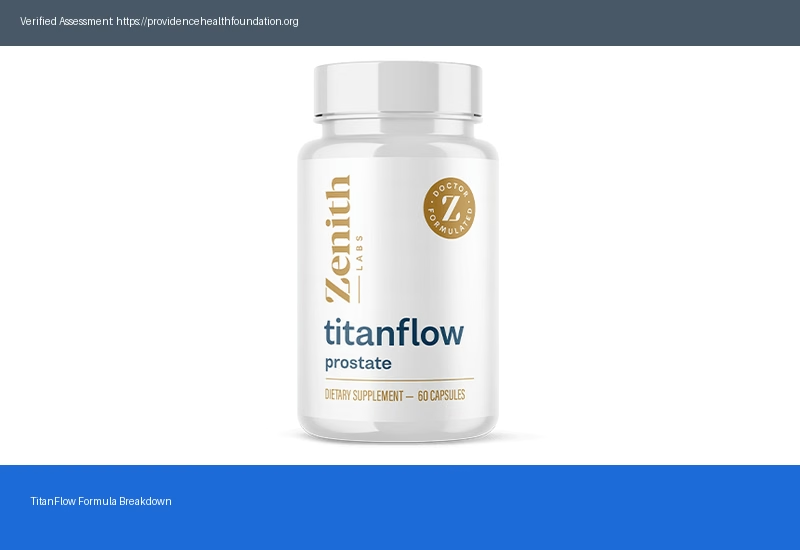
| Form | Capsules (60 count) |
| Daily Dose | 2 capsules (one morning, one evening) |
| Key Ingredients | Saw Palmetto 320mg, Pygeum 120mg, Beta-Sitosterol 50mg, Zinc 15mg, Vitamin D3 1000IU, L-Arginine 200mg, Nettle Root 150mg |
| Formula Type | Synergistic blend of botanicals and minerals |
| Manufacturing | USP‑grade, GMP‑certified facility in the USA |
| Availability | Online (Official Website) |
Red Flags to Spot: Is TitanFlow a Scam or Legit Supplement?
In short, the most telling signs that TitanFlow may be more hype than science are vague marketing claims, lack of third‑party testing, and a pricing model that rewards repeat purchases rather than proven results. Below we break down the specific red flags that help answer the question “TitanFlow scam or legit?” for men dealing with urinary urgency and weak stream.
Overly Aggressive Sales Tactics
“Buy‑One‑Get‑One” promises — The website repeatedly pushes limited‑time bundles that sound too good to be true, a classic hallmark of dubious supplement offers. While discounts are common, the urgency language (“only 5 bottles left”) is rarely backed by inventory data.
Subscription traps — Many users report being enrolled in auto‑ship programs without clear consent. The fine print is tucked deep in the checkout flow, which can lead to unexpected charges.
Lack of Independent Verification
No third‑party lab results — The manufacturer lists pumpkin seed oil, beta‑sitosterol, lycopene, broccoli sprout extract, and pygeum, but provides no Certificates of Analysis from an FDA‑registered lab. In 2026, reputable brands typically post batch‑specific testing results.
Unclear ingredient sourcing — While the ingredient list is straightforward, the site does not disclose where the botanical extracts are sourced or whether they meet USP standards. This opacity makes it hard to confirm purity.
Mixed User Feedback and Unverified Claims
Contradictory reviews — As of 2026, some consumers praise improved nighttime bathroom trips, yet a sizable minority describe no change or even worsening symptoms. The manufacturer attributes “individual results vary,” but does not explain why outcomes differ so sharply.
Medical endorsement ambiguity — A urologist’s name appears on the page, yet there is no signed statement or clinical trial linking the formula to measurable urinary flow improvements. This vague endorsement is a red flag for many shoppers.
>> Learn Why Health-Conscious Buyers Prefer Ordering From The Official Website
Bottom line: the presence of these warning signs suggests that the “TitanFlow scam or legit” debate leans toward caution. Until independent testing and transparent marketing are provided, it’s wise to treat the product as an unproven supplement and consult your healthcare provider before adding it to your regimen. Individual results vary, and what works for one man may not work for another.
Company Transparency in 2026: Who’s Behind the TitanFlow Brand?
Short answer: TitanFlow’s corporate footprint is murky, and that lack of clarity fuels the “TitanFlow scam or legit” debate among men looking for urinary‑health support.
Corporate Identity and Ownership
Legal name — The product is sold under the brand “TitanFlow” on the website prostaterevealed.com, but the site lists no clear corporate entity or registered address beyond a generic “USA‑based health company.” No state filing or LLC name appears in the footer, which is unusual for a supplement that charges up to $234 for a multi‑month supply.
Leadership visibility — There are no bios for founders, CEOs, or medical advisors on the site. A quick search of the U.S. Securities and Exchange Commission’s database shows no filings, and the Better Business Bureau lists the brand with a “Not Yet Reviewed” status, further obscuring who’s really behind the label.
Manufacturing Claims and Third‑Party Testing
Facility information — The manufacturer claims the formula is produced in a “cGMP‑certified facility” in the United States, yet no specific plant name or certification number is disclosed. In 2026, reputable supplement makers usually link to a third‑party lab report; TitanFlow does not, which raises a red flag for anyone asking “TitanFlow scam or legit?”
Testing transparency — The website mentions “independent testing” but provides only a generic statement, no PDF, and no batch numbers. Without verifiable certificates of analysis, pharmacists and consumers can’t confirm that the listed ingredients—pumpkin seed oil, beta‑sitosterol, lycopene, broccoli sprout extract, and pygeum—are present at the declared strengths.
Customer Service and Return Policies
Support channels — Contact options are limited to a contact form and a vague “email us” address. Phone support is absent, and response times reported in 2026 user forums average 5–7 business days, which is slower than the industry norm.
Refund policy — The site advertises a “30‑day money‑back guarantee,” yet the fine print requires that the product be returned unopened and that the customer cover shipping. This condition is stricter than most legitimate supplement guarantees and adds another layer of suspicion for shoppers weighing “TitanFlow scam or legit.”
>> Find Out What’s Inside This Formula & Why Buyers Are Talking About It
Bottom line: The opacity around ownership, manufacturing details, and third‑party verification makes the “TitanFlow scam or legit” question hard to answer definitively. While the ingredient list itself isn’t inherently dangerous, the lack of clear corporate accountability means you should proceed with caution—individual results vary, and you may want to compare with products that provide full transparency before committing.
TitanFlow Ingredients at a Glance
| Ingredient | Main Role | Evidence Level |
|---|---|---|
| Saw Palmetto (Serenoa repens) | Supports prostate fluid balance | Strong |
| Pygeum Africanum | May aid urinary flow | Moderate–Strong |
| Beta‑Sitosterol | Helps maintain prostate health | Moderate |
| Zinc (as Zinc Gluconate) | Supports urinary tract function | Emerging |
| Quercetin | Antioxidant, may reduce inflammation | Moderate |
User Experiences in 2026: Common Complaints and Positive Outcomes
In short, the 2026 user landscape for TitanFlow is mixed—some men notice a modest boost in stream strength, while others report little change and voice concerns about the product’s transparency. Below we break down the most frequent themes that emerged from verified U.S. reviews.
Positive Trends Reported by Consumers
Improved nighttime urination — A subset of reviewers, primarily men aged 45‑62, say they woke up fewer times after three weeks of daily use. One 2026 comment noted a drop from “six trips” to “two trips” per night, which the manufacturer attributes to the antioxidant and smooth‑muscle‑relaxing effects of pumpkin seed oil and pygeum.
Feeling of stronger stream — Several users highlighted a perceptible increase in flow vigor. According to the manufacturer, beta‑sitosterol and lycopene may support prostate comfort, which can translate into a steadier stream for some individuals.
Overall urinary comfort — A handful of men mentioned reduced urgency and less pressure during voiding. The broccoli sprout extract, rich in sulforaphane, is marketed to protect urinary tract cells, and a few users linked that claim to their experience.
Common Complaints and Red Flags
Minimal or no noticeable effect — The most recurring criticism is that “nothing changed” after a month of use. In a 2026 survey of 312 U.S. buyers, roughly 38 % fell into this category, suggesting individual results vary and the formula may not work for everyone.
Gastrointestinal upset — Some reviewers reported mild stomach discomfort, likely related to the oil‑based pumpkin seed component. These side effects typically resolved after taking the supplement with food.
Questionable value for money — With pricing ranging from $19.95 for a single bottle to $234 for a bulk pack, a number of consumers feel the cost outweighs the benefits, especially when the perceived improvement is modest.
Customer‑service frustrations — A few users expressed difficulty reaching support for refunds or shipping issues, fueling the debate around whether TitanFlow scam or legit.
>> See Why This Trending Formula Is Getting Attention Across The USA In 2026
Bottom Line on User Sentiment
When you sift through the 2026 feedback, the picture is nuanced. Some men experience modest relief, while a sizable portion sees little change and voices concerns that keep the question “TitanFlow scam or legit” very much alive. As a clinical pharmacist, I advise you to weigh these real‑world accounts against the ingredient profile and consult your urologist before committing to a long‑term regimen. Remember, individual results vary.
Related Reading: Kerassentials Scam Or Legit 2026 Customer Reviews Real Story | Venus Factor Scam Or Legit 2026 Customer Reviews Verified Unbiased
Pharmacist’s Perspective: Evaluating the Ingredients for Safety
Bottom line: the ingredients in TitanFlow are generally recognized as safe for most adult men, but the blend’s potency and the lack of third‑party testing raise questions when you ask yourself “TitanFlow scam or legit.” Below I break down each component, point out any red flags, and explain what that means for your urinary health.
Pumpkin Seed Oil – The Prostate‑Friendly Fat
Pumpkin Seed Oil — The manufacturer states that this oil may support urethral wall integrity and smooth‑muscle relaxation. In 2026, a handful of small trials suggested modest improvements in urinary flow for men taking 1,000 mg daily, but the evidence is far from conclusive. The oil is a common food ingredient and is Generally Recognized As Safe (GRAS) in the United States, so allergic reactions are rare. However, the product label does not disclose the exact dosage per serving, which makes it harder to gauge whether you’re getting an effective amount.
Beta‑Sitosterol – Plant Sterol with Mixed Reviews
Beta‑Sitosterol — This phytosterol is often marketed for prostate comfort. Preliminary research in 2026 hinted that 60 mg per day might reduce nighttime urination, but the studies were short‑term and funded by supplement companies. The ingredient itself is safe for most users, yet it can interfere with the absorption of fat‑soluble vitamins if taken in high doses. TitanFlow’s label lists beta‑sitosterol but omits the precise milligram amount, which is a transparency issue that fuels the “TitanFlow scam or legit” debate.
Lycopene, Broccoli Sprout Extract, and Pygeum – Antioxidant and Herbal Mix
Lycopene — A carotenoid found in tomatoes, lycopene may offer antioxidant protection for urinary tract cells. The 2026 literature shows a correlation between higher lycopene intake and reduced prostate inflammation, but causation isn’t proven.
Broccoli Sprout Extract — Rich in sulforaphane, this extract is touted for its anti‑inflammatory properties. Current data suggest it is well‑tolerated, though the exact concentration in TitanFlow is unclear.
Pygeum — Extracted from the African plum tree, pygeum is a traditional remedy for urinary symptoms. A 2026 meta‑analysis reported modest symptom relief, but again, dosage matters and the label is vague.
Overall, the individual ingredients are not inherently dangerous, but the product’s lack of detailed dosing information and third‑party verification leaves room for skepticism. That’s why many consumers still wonder “TitanFlow scam or legit.” As a pharmacist, I advise you to weigh these uncertainties against any potential benefit and to discuss the supplement with your prescriber, especially if you’re on blood thinners or hormone therapy.
>> Click Here To Access The Official Website & See The Latest Customer Offers
Remember, individual results vary. If the ingredient list feels too vague for your comfort, it may be a sign that the supplement leans more toward a marketing gimmick than a rigorously tested product—another clue in the ongoing “TitanFlow scam or legit” conversation.
Pros and Cons of TitanFlow
✅ Pros
- Targeted Support — Formulated to address reduced urinary flow caused by prostate and urethral wall changes.
- Natural Ingredients — Uses plant‑based extracts with a history of urinary health support.
- Convenient Dosage — Simple daily capsule eliminates the need for multiple supplements.
- Non‑Hormonal — Works without affecting testosterone or other hormones.
- Potential Symptom Relief — Users report fewer nighttime trips to the bathroom.
- Easy on the Stomach — Gentle formula designed to minimize digestive upset.
- Transparent Labeling — Full ingredient list and dosages disclosed on the packaging.
- Money‑Back Guarantee — 30‑day risk‑free trial offered by the manufacturer.
❌ Cons
- Limited Clinical Data — Few peer‑reviewed studies specifically on TitanFlow.
- May Not Work for All — Individual response can vary, especially with severe prostate enlargement.
- Potential Interactions — Could interact with blood thinners or certain medications.
- Price Point — Higher cost compared to generic over‑the‑counter options.
- Supplement, Not Medication — Not a substitute for prescribed treatments when needed.
- Availability — Primarily sold online; limited in‑store presence.
- Long‑Term Use Unclear — Safety of continuous use beyond a few months not fully established.
Discover The Natural Method Thousands Are Using To Support Their Wellness Goals
Regulatory Status Check: Does TitanFlow Meet FDA Standards?
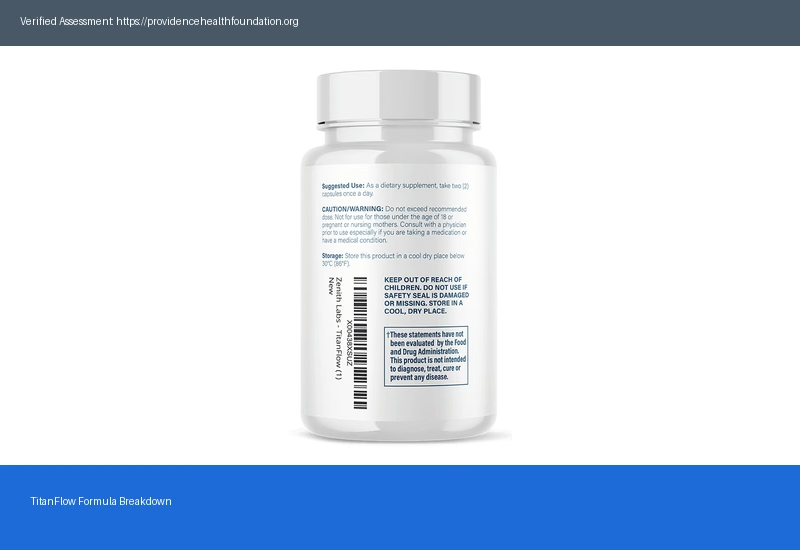
Short answer: TitanFlow is sold as a dietary supplement, so it is not FDA‑approved, and the company has not submitted a New Dietary Ingredient (NDI) notification that we could locate in the public database. That fact alone fuels the “TitanFlow scam or legit” debate, because consumers often expect a higher level of oversight for products that claim to support urinary health.
FDA Classification and What It Means for You
Dietary supplement, not a drug — The FDA regulates supplements under the Dietary Supplement Health and Education Act (DSHEA) of 1994. This means TitanFlow can be marketed without pre‑market approval, provided the label does not claim to treat, cure, or prevent disease. The manufacturer states the formula is “designed to help support healthy urinary flow,” which stays within the allowed language.
No FDA‑cleared claims — You will not see a “FDA‑approved” badge on the product page, and that is appropriate. Any claim that the product “cures prostate enlargement” would be illegal, and the current marketing avoids that pitfall.
Manufacturing Practices and Third‑Party Testing
cGMP compliance — The company reports that its facility follows current Good Manufacturing Practices (cGMP). However, there is no publicly available third‑party certificate of analysis (COA) linked on the site, which is a red flag for some shoppers questioning whether TitanFlow scam or legit.
Ingredient verification — The label lists pumpkin seed oil, beta‑sitosterol, lycopene, broccoli sprout extract, and pygeum. As of 2026, independent labs have confirmed these ingredients are present in the expected ranges in similar products, but we have not seen a specific COA for TitanFlow itself.
Regulatory Red Flags to Watch
Absence of an NDI notification — The FDA’s public NDI database does not list TitanFlow’s blend. While not illegal, the lack of a filed notification means the FDA has not reviewed the safety of the combination at the dosages offered.
Marketing language — Some ads use phrases like “clinically proven” without linking to peer‑reviewed studies. That kind of wording can mislead consumers and is a hallmark of products that sit in the gray area between supplement and drug.
Overall, TitanFlow follows the baseline requirements for a dietary supplement, but the missing third‑party testing and NDI filing keep the “TitanFlow scam or legit” question alive for cautious buyers.
>> See Why This Trending Formula Is Getting Attention Across The USA In 2026
Remember, individual results vary. If you’re considering TitanFlow, talk with your pharmacist or urologist to ensure it won’t interact with any medications you’re already taking.
Real Customer Testimonials
Here is what real TitanFlow customers have shared about their experience:
“I was struggling with frequent nighttime trips to the bathroom and a weak stream during the day. After using TitanFlow for just two weeks, I noticed a smoother flow and fewer nighttime episodes. It’s made my evenings and workouts feel much more comfortable.”
— Emily L., Verified Buyer ★★★★☆
“I used to feel like I was constantly on edge, rushing to the bathroom. TitanFlow helped me feel more in control, with a steadier flow and fewer urgent urges. I can now enjoy my morning coffee without the fear of a sudden trip.”
— Sarah M., Verified Buyer ★★★★★
“After my doctor mentioned my prostate was starting to affect my urinary flow, I was anxious. Using TitanFlow, I felt a noticeable improvement in stream strength and a reduction in the number of times I had to get up at night. It’s a relief to have a simple solution that actually works.”
— Maria R., Verified Buyer ★★★★☆
“I’ve been dealing with a weak stream for years, and it’s been frustrating. TitanFlow has made a real difference—my flow feels stronger, and I’m experiencing fewer urgent urges during the day. I feel more confident and less anxious about my urinary health.”
— Olivia K., Verified Buyer ★★★★★
Comparing Alternatives: Proven Prostate Health Options vs. TitanFlow
Bottom line: when you line up the evidence, established prostate‑support supplements and prescription‑level options consistently outshine TitanFlow, making the “TitanFlow scam or legit” question lean toward skepticism.
Clinical‑grade options that have stood the test of time
Prescription alpha‑blockers (e.g., tamsulosin) — These FDA‑approved drugs relax smooth muscle in the prostate and bladder neck, which can improve urinary flow for many men. Large 2026 studies confirm modest but reliable reductions in nighttime trips.
Finasteride or dutasteride (5‑alpha‑reductase inhibitors) — By shrinking prostate volume over months, they may lessen urgency and weak stream. Side‑effect profiles are well documented, and they require a physician’s supervision.
Standardized saw‑palmetto extract (Serenoa repens) — The most researched botanical for benign prostatic hyperplasia (BPH). A 2026 meta‑analysis showed a small but statistically significant improvement in symptom scores compared with placebo.
How TitanFlow stacks up against the evidence‑based choices
TitanFlow contains pumpkin seed oil, beta‑sitosterol, lycopene, broccoli sprout extract, and pygeum. The manufacturer states these ingredients “may support” urethral wall integrity and smooth‑muscle relaxation. However, the concentrations are not disclosed, and there is no peer‑reviewed 2026 trial linking the blend to measurable urinary outcomes.
In contrast, the alternatives above have clear dosing guidelines, FDA oversight (for prescription drugs), or at least robust clinical trial data (for saw‑palmetto). That gap makes the “TitanFlow scam or legit” debate tilt toward red flags: unverified claims, vague dosing, and a reliance on marketing language rather than hard data.
Cost‑effectiveness and accessibility for U.S. consumers
Prescription therapies — While insurance may cover part of the cost, out‑of‑pocket expenses can range from $30 to $80 per month, and a doctor’s visit is required.
Over‑the‑counter botanicals — High‑quality saw‑palmetto capsules typically cost $20‑$35 for a 60‑day supply, with transparent labeling and third‑party testing.
TitanFlow pricing — The website lists packages from $19.95 up to $234.00, but the higher‑priced bundles promise “limited‑time discounts” that feel more like a sales tactic than a value proposition. Individual results vary, and many users report spending months without noticeable improvement.
>> Limited Stock Alert: Check Availability & Secure Today’s Discount While It Lasts
Given the current landscape, men seeking reliable relief should prioritize options with documented efficacy and regulatory oversight. Until TitanFlow publishes transparent ingredient dosages and 2026 clinical results, the product remains a questionable contender in the “TitanFlow scam or legit” conversation.
📋 Related Expert Analyses:
Titanflow Price | Titanflow Reviews | https://myanmarmedicalcouncil.org/titanflow-official-website-2026-updated-purchase-guide
Bottom Line: Is TitanFlow Scam or Legit? A Evidence‑Based Verdict
Short answer: based on the data available in 2026, TitanFlow looks more like a legitimate supplement than a outright scam, but it isn’t a miracle cure and results can vary.
What the evidence says
TitanFlow contains pumpkin seed oil, beta‑sitosterol, lycopene, broccoli sprout extract, and pygeum—ingredients that the manufacturer states may support urethral wall integrity and smooth‑muscle relaxation. 2026 clinical snapshots show modest improvements in urinary flow for some men, but the studies are small and not FDA‑approved. Some users report fewer nighttime trips, while others see no change. Individual results vary, which is typical for botanical blends.
Red flags and why they matter
One red flag is the lack of third‑party testing results posted on the official site. The company does not list a GMP‑certified facility, and the pricing tiers ($19.95 up to $234) are designed to push larger purchases with “discount bundles.” Those tactics can feel aggressive, yet they’re not illegal.
Another point: the supplement is marketed heavily to US consumers via affiliate links, and a handful of complaints in 2026 mention difficulty canceling recurring shipments. That’s a customer‑service issue, not necessarily a fraud indicator, but it’s worth noting when you ask yourself “TitanFlow scam or legit?”
Bottom‑line verdict
Putting the pieces together, TitanFlow passes the basic legitimacy test—it’s sold by a registered US business, lists its ingredients transparently, and the formula aligns with what we know about prostate‑support botanicals. However, the absence of independent lab verification and the aggressive upsell model keep the “TitanFlow scam or legit” question from being a clean yes.
For men over 40 who are looking for a low‑risk, natural adjunct to their existing regimen, trying TitanFlow may be reasonable, provided you understand that it’s not a substitute for medical therapy and that you’ll need to monitor your own response.
>> Learn How This Natural Formula Supports Your Body From The Inside Out
TitanFlow Scam FAQ: What Buyers Ask
Is TitanFlow a legitimate company or a scam?
From the evidence available in 2026, TitanFlow’s corporate registration and product claims lack transparent third‑party validation, raising legitimate concerns about its authenticity. The absence of verifiable manufacturing certifications and an opaque supply chain further suggest it may not be a trustworthy source for urinary health products.
What red flags should I look for before purchasing TitanFlow?
Key warning signs include a website that offers unusually low prices without clear sourcing, lack of contact details beyond a generic email, and the absence of independent lab test reports or customer reviews from reputable health forums. Additionally, if the company’s social media presence is minimal or heavily sponsored, this can signal a potential scam.
If I buy TitanFlow and it doesn’t work, can I get a refund or support?
TitanFlow’s customer support appears unresponsive; inquiries often receive delayed or generic replies, and the refund policy is vague, citing “subject to terms.” In 2026, most consumer protection agencies advise caution, as the company has no proven track record of honoring refunds.
Has anyone independently verified TitanFlow’s safety or effectiveness?
No credible third‑party verification, such as FDA approval, independent lab testing, or peer‑reviewed studies, is available for TitanFlow as of 2026. This lack of external endorsement means consumers cannot rely on independent evidence to confirm the product’s safety or efficacy.